
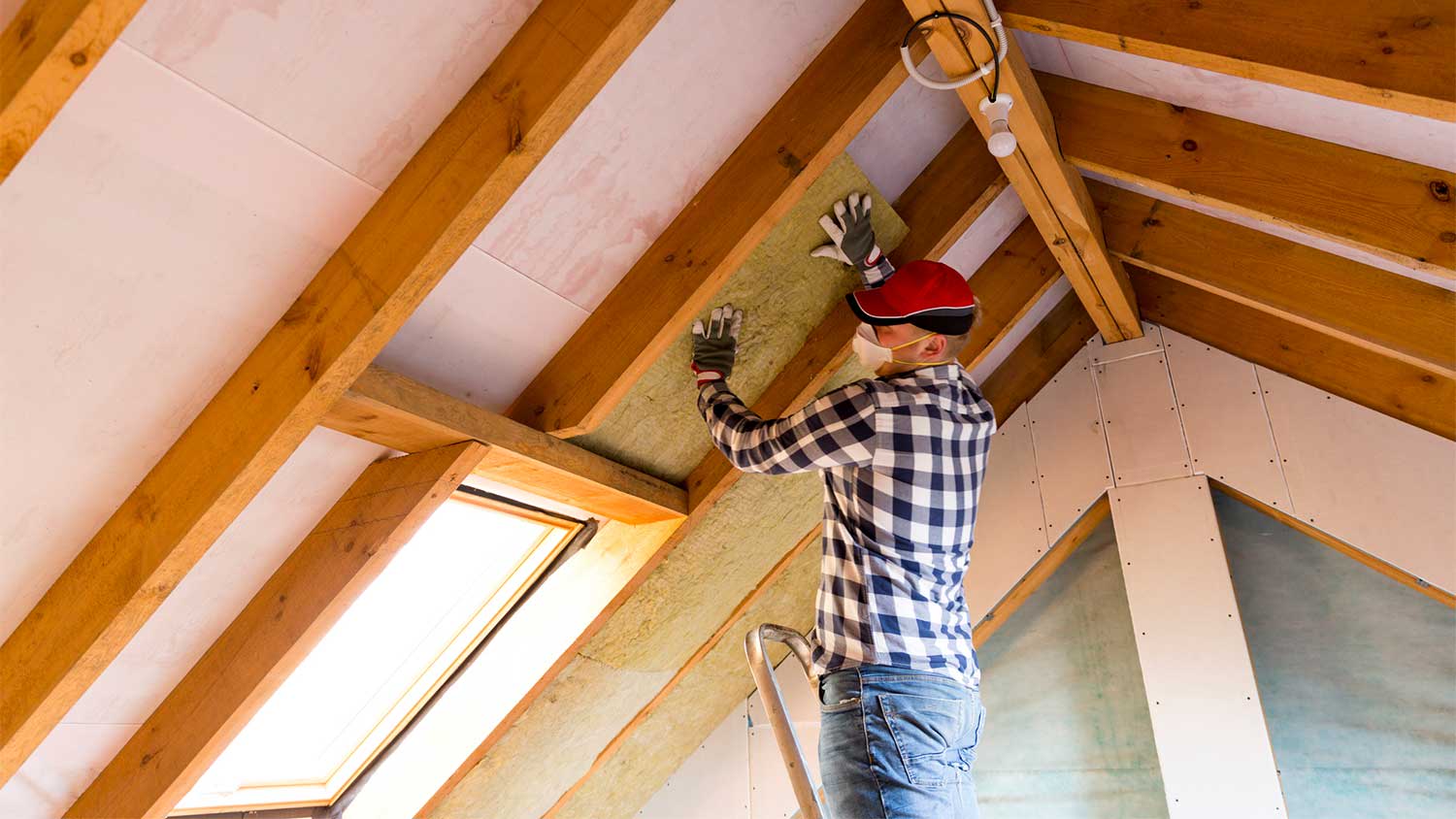
Your attic insulation removal cost in Chicago, IL will vary based on multiple factors, including why you're removing it and how easy it is to complete the task.
Insulation service costs depend on your project and location. Check with a local pro for your specific job.

Square footage is the single biggest cost driver—expect to pay $1 to $3 per square foot for attic insulation installation.
Insulation material, air sealing work, and inspection fees will all factor into the final price tag.
If existing insulation needs to come out before the new material goes in, budget an additional $1 to $2 per square foot for removal.
A local insulation pro ensures the job gets done correctly while saving you time and money.
Chicago, IL, homeowners dealing with sky-high heating bills or drafty rooms may have a poorly insulated attic to blame. Attic insulation costs in Chicago, IL average $2,176, with costs ranging between $1,761 and $2,590.
With Chicago, IL's brutal winters and lake-effect cold, a well-insulated attic isn't a luxury; it's a necessity. The good news is that while the upfront cost can feel significant, the return on investment is hard to argue with, and the project has the potential to increase your home's market value as well. Read on to better understand the nuances of this project and its cost structure.
Insulation type and attic size drive more than 80% of the total project cost, with inspections and air sealing making up the rest. Older houses in Chicago, IL will pay more than newer ones, even if square footage is less, due to ancillary costs like sealing, which can quickly dominate the project depending on attic condition.
The amount of insulation you need depends on the size of the attic and the desired insulation level or R-value. You’ll typically match the insulation coverage to the attic size, assuming you’re insulating the entire attic space. Here’s how much you can expect to pay for insulating different attic sizes:
| Attic Size (Square Feet) | Average Cost |
|---|---|
| 300 | $300–$900 |
| 500 | $500–$1,550 |
| 800 | $800–$2,450 |
| 1,000 | $1,050–$2,950 |
| 1,500 | $1,400–$4,500 |
You’ll need to account for the recommended R-value of your climate zone, as well. The higher the desired R-value, which represents the insulation's thermal resistance, the thicker the insulation needs to be. Colder climates generally require higher R-values to provide effective insulation.
To achieve the desired R-value, the insulation may need to be installed in multiple layers or in thicker batts or rolls. The more insulation material required to cover the attic space, the more it will contribute to the initial cost of finishing an attic.
The type of insulation you choose is among the most significant factors affecting cost. Each material has a different R-value, which makes it more or less effective in insulating the space.
Generally, blown-in insulation is the most affordable type of insulation. Meanwhile, the materials and labor required to install rigid foam board insulation make it one of the more expensive options, but it has a higher R-value.
Not every type of insulation works for every attic. For instance, a lot of people love the strength and energy efficiency of structural insulated panels, but due to their relatively large standard sizes, retrofitting them isn’t always possible.
Some types are also better suited to specific climates. Reflective insulation, for example, is less expensive than other common types, but if you live in a cold climate, you'll likely need to combine it with another type of insulation to be effective during the winter. For that reason, reflective insulation is best used as a radiant barrier.
Here’s what you can expect to pay for different insulation materials.
| Attic Insulation Type | Average Cost Per Square Foot | Best Use |
|---|---|---|
| Batt | $2–$4 | DIY installation and standard-sized attics |
| Blown-In | $1–$6 | Filling irregular spaces and insulating existing attics |
| Loose Fill | $2–$6 | Large, open attic spaces and cooler climates |
| Reflective | $0.50–$2 | Hot climates or attics with limited insulation space |
| Rigid Board | $2–$6 | High R-value and reducing moisture |
| Spray Foam | $2–$6 | Sealing gaps and attics with complex shapes |
| Structural Insulated Panels | $4–$8 | Achieving strong insulation in new attics |
New insulation can sometimes be added right on top of old insulation, but only if the old insulation is still in good condition. If the old insulation isn't in great shape, then you'll need to pay someone to remove it or remove it yourself. Hiring an insulator to remove it typically costs $1 to $2 per square foot, so you'll want to factor that price into your project budget if needed.
Air sealing involves removing all of your attic's insulation to find and resolve any air leaks. Many pro insulators air seal attics before installing new insulation, but this process can be costly, ranging from $350 to $1,600. Even though it's expensive, it's often worth it since air sealing can prolong the lifespan of your insulation while helping to block out moisture and drafts.
Air sealing is beneficial in any area of the home, but it’s particularly helpful in the attic for keeping your heating bills down in colder weather. Hot air rises and will naturally escape through gaps in the attic, and sealing helps keep the heat inside.
The cost of an attic insulation inspection can vary depending on several factors, including the region, the complexity and accessibility of the attic, and the service provider. On average, you can expect to pay anywhere from $100 to $500 for a professional attic insulation inspection. However, it's important to note that these are general estimates, and the actual cost may differ.
Some insulation contractors may offer free attic inspections as a promotional or introductory offer, while others may charge a fee that can be applied toward the insulation project if you decide to hire them for the job. It's a good idea to obtain multiple quotes from reputable insulation professionals in your area to get a better understanding of the specific costs involved in an attic insulation inspection.
Before signing a contract with an attic insulation pro in Chicago, IL, it pays to understand how labor costs break down. Expect to pay between $50 and $130 per hour. The spread reflects the real differences in project complexity. A newer home with a simple, open attic layout will come in at the lower end, while an older Chicago, IL bungalow or two-flat with a tight, irregular attic can push costs considerably higher.
Chicago, IL, homeowners also benefit from the fact that permits are rarely required for attic insulation work, which removes a costly line item from the overall budget. That said, if old insulation has to be cleared out first, expect to pay the hourly rate for both removal and disposal unless you negotiate a separate flat-rate fee for that portion of the job ahead of time.
Chicago, IL, is a solid market when it comes to getting a meaningful return on attic insulation. The payback comes in two forms: a one-time bump in home value and ongoing reductions in energy costs (where the savings are). Owners frequently see an uptick of around 2% of overall value after completing the project. The more compelling argument, though, is what happens to your monthly bills.
Depending on how well or poorly your attic was performing before the upgrade, you could realistically see anywhere from a 10% to 50% drop in annual heating and cooling costs thanks to insulation’s effect on temperature regulation. When you model that out over several years, the math on this project tends to work strongly in the homeowner's favor.
According to the EPA, homeowners can save significantly on monthly heating and cooling bills by installing insulation in their attics, floors, and crawl spaces.

To help homeowners plan their next project, Angi provides readers with carefully researched cost data and upholds strict editorial standards. We start with national average project costs, which we collect by analyzing competitor information, retailer material costs, and input from professional contractors. We then apply local price index data to calculate location-specific estimates that reflect what homeowners typically pay in their local area. To do that, we use data from the U.S. Bureau of Economic Analysis (BEA), including its Regional Price Parities (RPPs), which measure price differences across cities. This helps us account for differences in labor, materials, and overall cost of living, so estimates in higher- or lower-cost areas better reflect real-world local pricing.
Every estimate undergoes a thorough editorial review to verify accuracy, consistency, and alignment with observed market conditions.
Want to help us improve our cost data? Send us a recent project quote to [email protected]. Quotes and personal information will not be shared publicly.
Our retail building had been suffering from annoying leaks that multiple handymen failed to fix permanently. We finally brought in specialists for a flat roof repair assessment. They utilized imaging to locate trapped moisture and showed us why a localized roof damage repair was no longer...
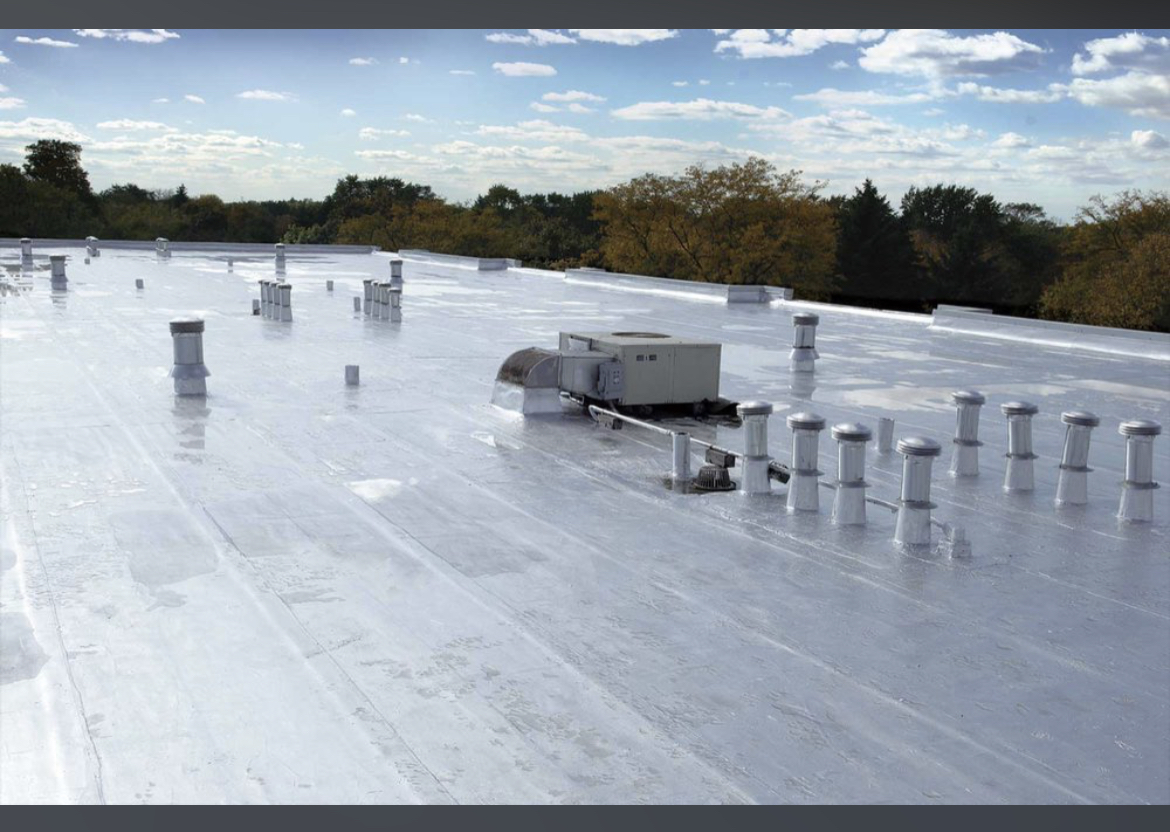 Chicago Flat Roofing Contractors
We ended up having to completely gut the first floor after extensive damage from another contractor. They were the first people to understand and support my desire to both repair the house and preserve some of its original charm. I cannot believe the amount of work they were able to get done....
 New Color Cabinets LLC
We hired Vanguard to replace all of our windows, and the entire experience was outstanding. From the initial consultation to the final installation, Glenn and his crew were professional, efficient, and extremely skilled. They worked meticulously to ensure that each window fit perfectly,...
 Vanguard Building Inc
David and his team were very professional and did a excellent job insuring our Blown-in insulation on our 4500 square ft. townhome Thank you Dap and Sons for such outstanding services and insuring our mission was accomplished.
Everything went great. Tomer was extremely professional and walked me through relevant options, including door insulation and opener models. The price was better than competitors. He was punctual and always available by phone or text with questions. Tomer's team cleaned up afterwards and took...
 5 Star Garage Door
Carlos was such a lucky find. He arrived promptly for both the estimate and day of work. He was very deliberate and took his time assessing the situation, which quite frankly, was difficult to assess. His quote was a very fair price for the materials and hours of labor required to install...
 Full Efficiency Heating And Cooling
overall the experience with USA Insulation was a positive one from the initial contact to the finished job .
 USA Insulation of Chicago
RevFoam did an outstanding job insulating our kitchen and garage. We had severe ice dams this past winter resultanting in substantial water damage. Gwen from RevFoam gave quality recommendations on insulating the roof from the heat of the kitchen. We also had our garage ceiling inserted to...
 Revolutionary Spray Foam Services LLC
The energy audit discovered 3 significant sources of increased energy costs, two are related to heat loss while the third is an old and inefficient boiler for or downstairs radiator system. The audit took about one hour and utilized a front door mounted fan that drew air out of the house...
 Green Attic Insulation
If it weren't for Angie's List, I'd never have the opportunity to work with people who are warm, friendly, informative and professional. Every communication was straightforward and honest and I felt like I knew exactly what I was going to get as opposed to a bait and switch. <br /> Chuck...
 High Tech Waterproofing LLC
From average costs to expert advice, get all the answers you need to get your job done.
Your attic insulation removal cost in Chicago, IL will vary based on multiple factors, including why you're removing it and how easy it is to complete the task.
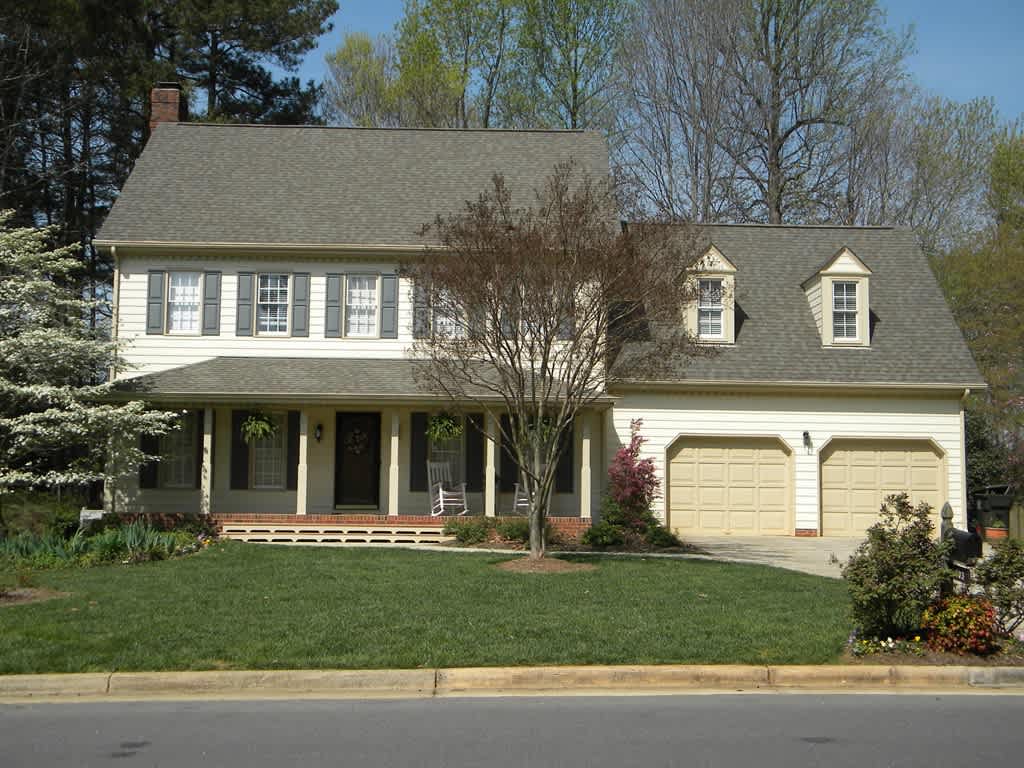
New insulation makes your home more comfortable and boosts energy efficiency. Use this guide to budget for insulation installation costs in Chicago, IL.
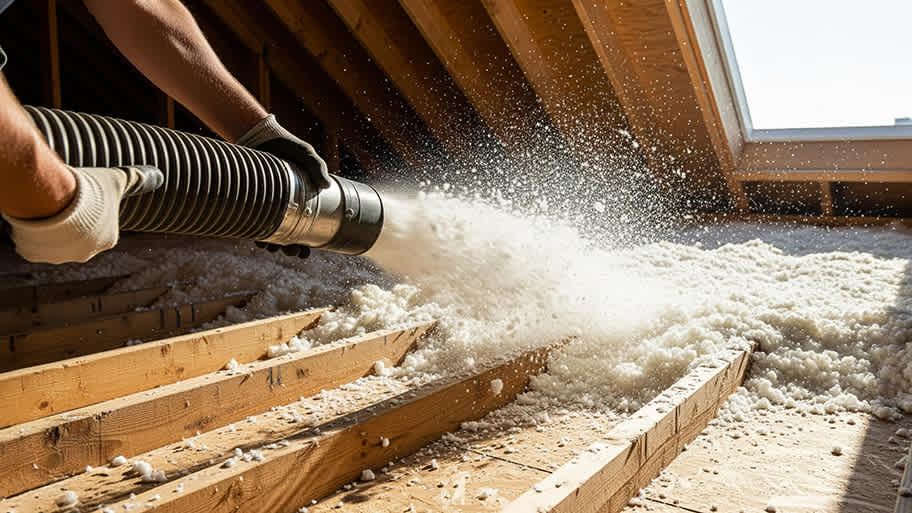
The cost of blown-in insulation in Chicago, IL varies depending on the type of insulation, labor, prep work, and more. Learn more about the cost factors in this guide.
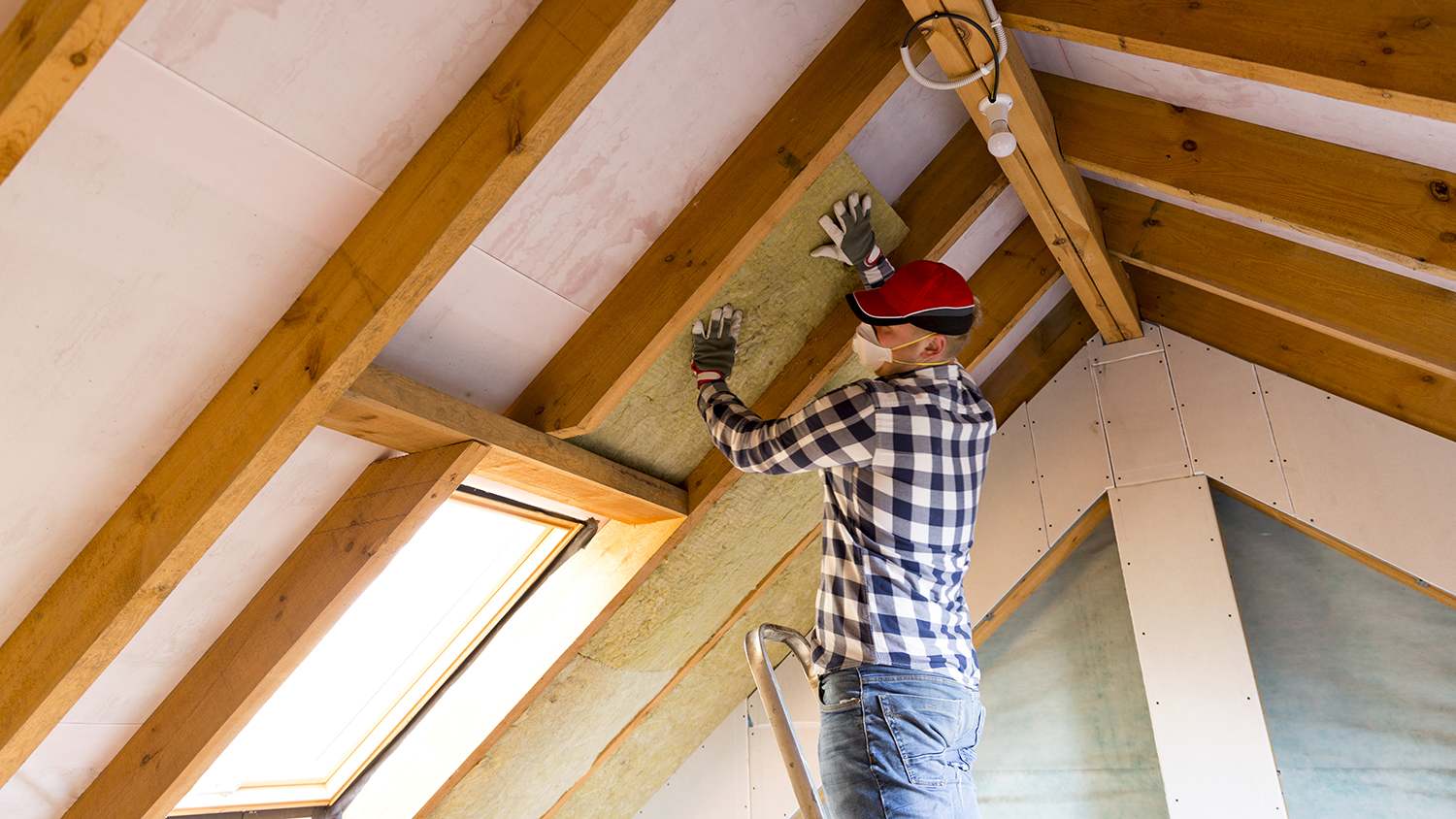
Wondering who to hire for attic insulation? Learn what insulation contractors do, how they work, and how to choose the right pro with confidence.
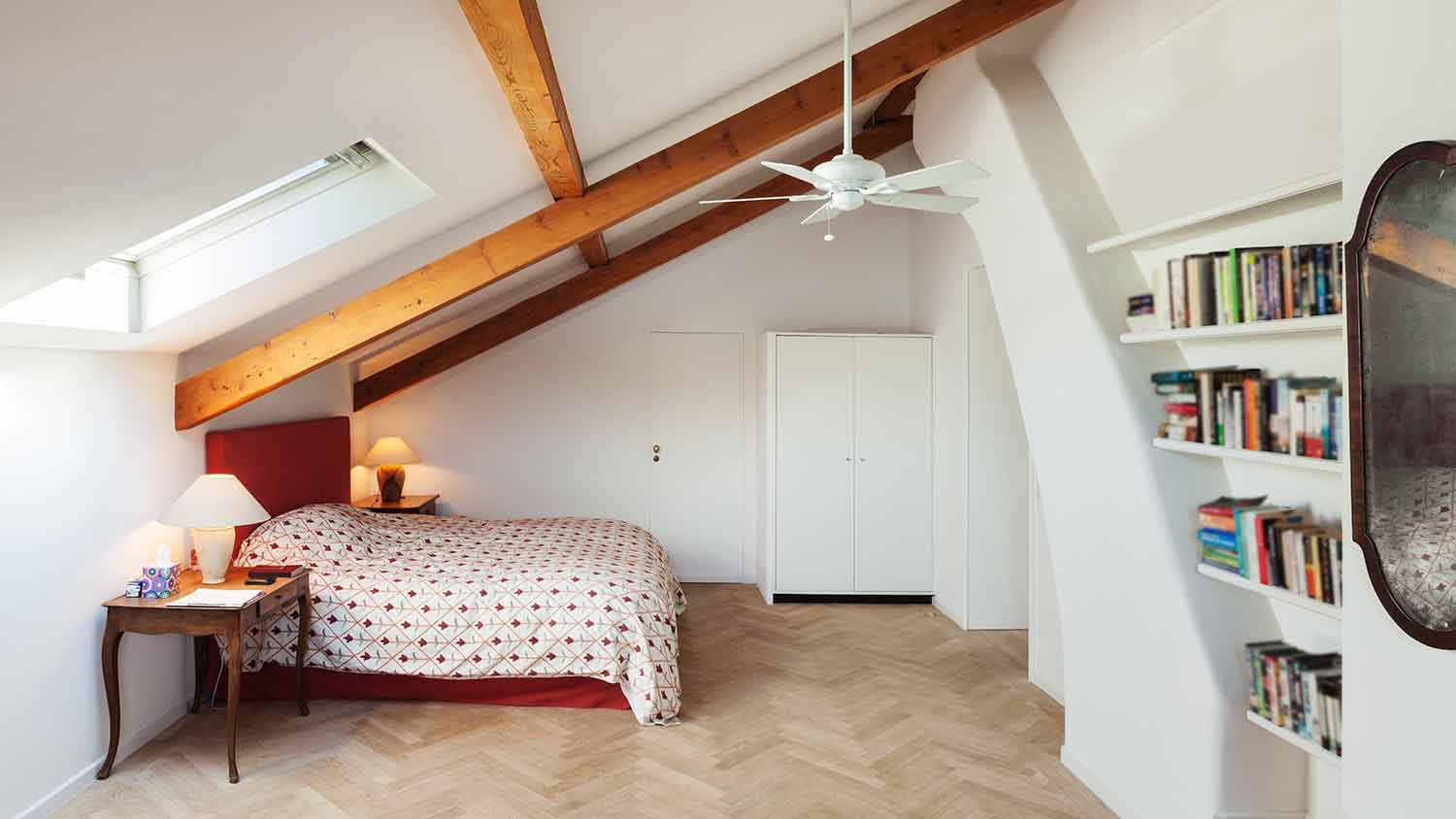
Your home likely loses most of its heat through your attic. This guide on different types of attic insulation can help you boost your home’s efficiency.

This guide breaks down what attic insulation is and its importance in keeping your home the temperature you want. Keep reading to learn more.