
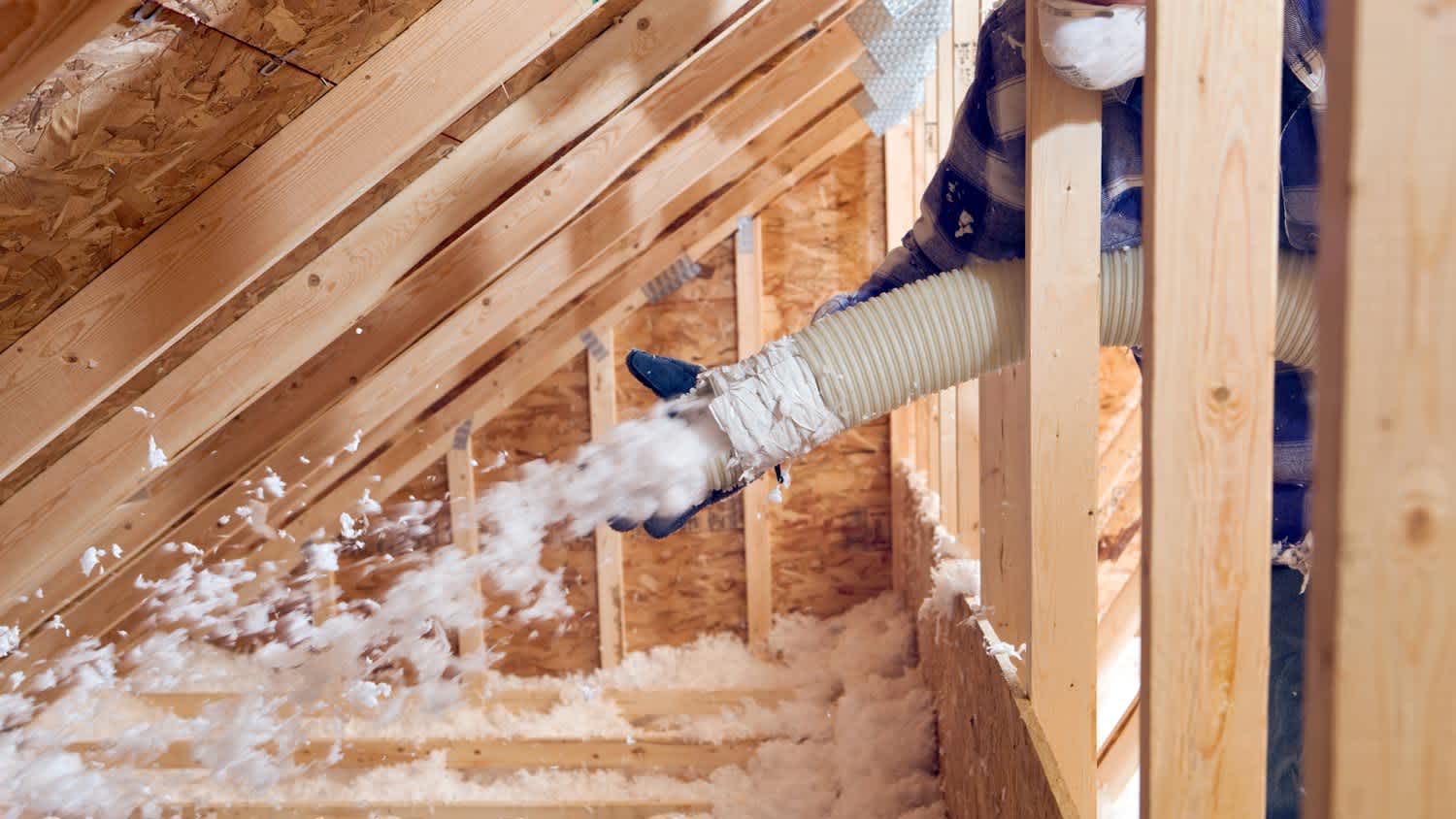
Learn the key factors that influence the cost of renting a blown-in insulation machine.
Remove old blown-in insulation from your attic and prep for your next upgrade

Blown-in attic insulation removal becomes necessary when your insulation settles over time, loses effectiveness, or suffers damage from mold, moisture, or wildlife contamination.
Expect to pay $800 to $1,700 for professional blown-in insulation removal in a standard attic, with costs ranging from $0.75 to $2.30 per square foot.
You need full protective gear, including coveralls, respirator, gloves, and eyewear, because breathing in insulation poses serious respiratory risks even under the best conditions.
Hiring a local blown-in insulation professional keeps you safe from health hazards while addressing underlying issues like mold growth or structural damage efficiently.
Many homes use blown-in insulation in the attic as an efficient way to insulate unfinished attic spaces, especially since they are easy DIY projects. Except it is not the easiest to remove compared to other insulation methods. The following steps will provide a brief outline of what it takes to remove blown-in insulation. If it sounds like too much of a hassle, hire a professional.
Unfortunately, you can’t just leave blown-in insulation as-is. The primary reason is that blown-in insulation in the attic fails over time, regardless of the attic condition. As your insulation settles due to material weight, the insulation loses its effectiveness and calls for a redo or upgrade.
Another reason making it necessary to remove blown-in insulation is deterioration due to mold growth or wildlife damage. If your attic has suffered water damage caused by a leaking roof, burst pipe, or moisture buildup due to temperature changes, mold can take over your insulation and eventually expand into the rest of the house. Similarly, wildlife may invade your attic and tear up your insulation. They also leave urine and feces behind, contaminating your indoor air, and even causing mite, flea, and tick infestations.
Finally, you may simply have decided to finish your attic space. In that case, you must remove blown-in insulation and choose a different insulation method to make that space useable.
On average, insulation removal costs about $0.75 to $2.30 per square foot, or $800 to $1,700 for a regular attic space. There will be additional costs if you want the contractor to put in new insulation.

Almost all red flags on blown-in insulations are noticeable, including:
Packed insulation settled to the ground
Strange odors or wet smell
Visible traces of mold, such as black streaks or spots
Animal droppings or brown discoloration
Holes and tears caused by wild animals
If unattended, failing insulation can turn into a structural problem, which would be much more difficult and costly to fix.
Most equipment needed to remove blown-in insulation is rentable from your local hardware store. If you are removing by vacuum, you should rent a high-powered insulation vacuum with an extra hose and connectors for better accessibility. You also want to rent a good set of protective gear. If you are using a vacuum, ask a friend to keep an eye on the equipment to ensure proper operation. Also, set up a trash area outside with tarps before you start so you have a dedicated disposal area.
Secure a good entry point for the vacuum from outside of the house since the machinery is usually inside a truck or trailer. Make sure you have plenty of available hoses for extension, and the vacuum can reach every corner of the attic.
Next, remove any obstructions in your way. This includes any nails or objects above your head due to the limited space your attic provides. You would also want to disconnect the power in your attic prior to removing any insulation. If there are ducts, pipes, and wiring lying around, move them somewhere along the edge so they stay out of your way.
Using a vacuum is the easiest way to remove blown-in insulation from your attic. Move the vacuum as close to the entry point as possible. If you have to run the hose through your living space, lay down a protection layer to make a path. Your friend should stay by the machinery to ensure everything runs properly.
Segmenting your attic into smaller zones will help you stay on track. It also makes the tedious process more tolerable. You may need to pause to allow the machine to breathe, address clogging and leakage in the hose, or further move obstructions out of the way. Once you’re done, dispose of all insulation bags and move the hose out of the house so you can return the machine.
Vacuum in a molded room is never a good idea. If your insulation is compromised by mold or harmful chemicals released from animal waste, using a vacuum may spread the contamination to the rest of your house.
Additionally, water-damaged blown-in insulation tends to turn into chunks, which can clog your vacuum hose. The same goes for insulation compromised by animal waste or with foreign objects such as broken wood, plaster, and tape wrapped inside.

You should wear full protection gear regardless of your method of removal. Blown-in insulation is a health hazard even under the best circumstances. Regardless of the material used, breathing in insulation can cause respiratory issues. If the insulation is compromised by mold or other problems, the health threats become more dangerous.
To remove blown-in insulation by yourself, you will need the following protection:
Coveralls
Protective gloves and eyewear
Ear plugs if you choose to use a vacuum
Respirator
Headlamp
Once you’ve completed the project and disposed of all waste, remove all protection and thoroughly clean yourself.
According to Angi data, 54% of homeowners report having blown-in insulation in their attics. Considering that it’s easy to install in an unfinished attic, it’s not surprising that most homeowners would use this type of insulation. But since walls need to be closed to effectively install blown-in insulation, it’s not the most common choice during new building construction and remodels.
Hiring a professional blown-in insulation contractor is the most ideal given the technical difficulties, time consumption, and potential health risks that come with removing blown-in insulation. Working with a professional also means any underlying issues, such as wood rot or mold growth, will also be addressed. Overall, removing blown-in insulation is an intermediate-to-advanced project and can be challenging for most.
When looking for the proper contractor, always shop and compare before making a decision. Most contractors can help you lay down new insulation, finishing two jobs in one project.
If you’re good people wanting to do business with good people, hire Matt. He is a consummate professional and utterly competent. He installed a water heater in my home at a price that beat competitors by hundreds of dollars with a promise to support the unit for its life (even after its 6 yr...
 Greene's Plumbing Services
I would recommend this company to anyone! He showed up on time, was friendly, completed a very difficult repair on our dryer vent cover, was responsive, and pricing was extremely fair and competitive. I would have him back to do any of our repairs or cleanings without hesitation!
 U.S.A. Dryer Vent, LLC
Best cleaning I've had at my property
I conferred with 2 other contractors before Armstrong Electric. Nick and his crew showed me that the project was not as convoluted as the other contractors made it appear to be. They completed the entire project on time. They were professional, friendly and cleaned up after at completion. I...
 ARMSTRONG ELECTRIC, LLC
Our exterior looks brand new thanks to Custom Paint Jobs LLC. Theyre the best in town!
 Custom Paint Jobs, LLC
Excellent experience with hiring Tether House to Mount our 77’ Samsung TV in our bedroom. Fast, friendly, and knowledgeable. Highly recommend.
 Tether House
The techs on my project, Shawn and Cliff, were great. They were prompt, courteous, and efficient. I am very happy with the results and would definitely contact Mr. Electric for any future electrical projects.
 Mr. Electric of Columbus
We had our houses windows and back door replace this summer by Window Depot USA of Central. He gave us grate advise and saved my family lots money. The team did a fantastic job with installation. If you need help, they sure get job done right!
 Window Depot USA of Central Ohio
Beginning with the estimate, Larry and Peyton were super helpful in getting my new condo's interior re-painted. Not only was the job well done, but also done in a super timely manner as promised.
 Five Star Painting of Plain City and Powell
Great job...edging and pre clean up went well with a great job with seal coat. Friendly, efficient and professional.
 All Star Paving and Sealing
From average costs to expert advice, get all the answers you need to get your job done.
Learn the key factors that influence the cost of renting a blown-in insulation machine.
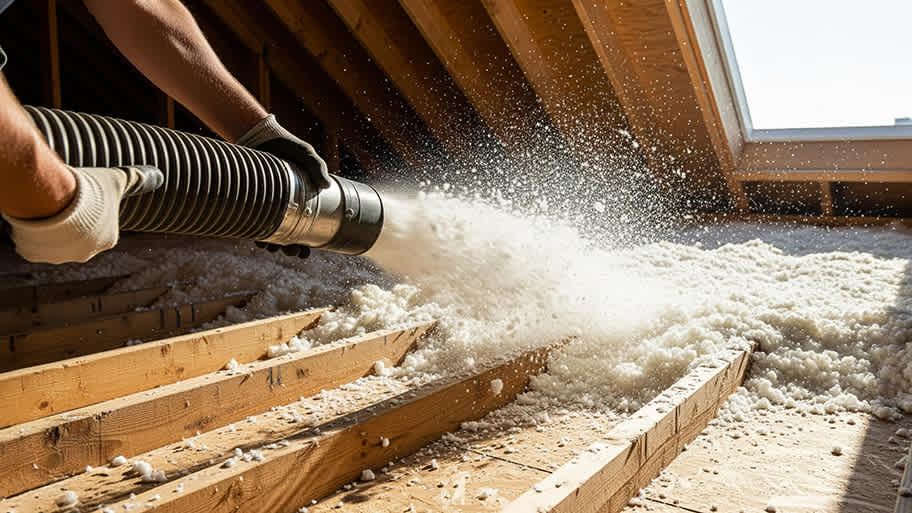
The cost of blown-in insulation costs varies depending on the type of insulation, labor, prep work, and more. Learn more about the cost factors in this guide.
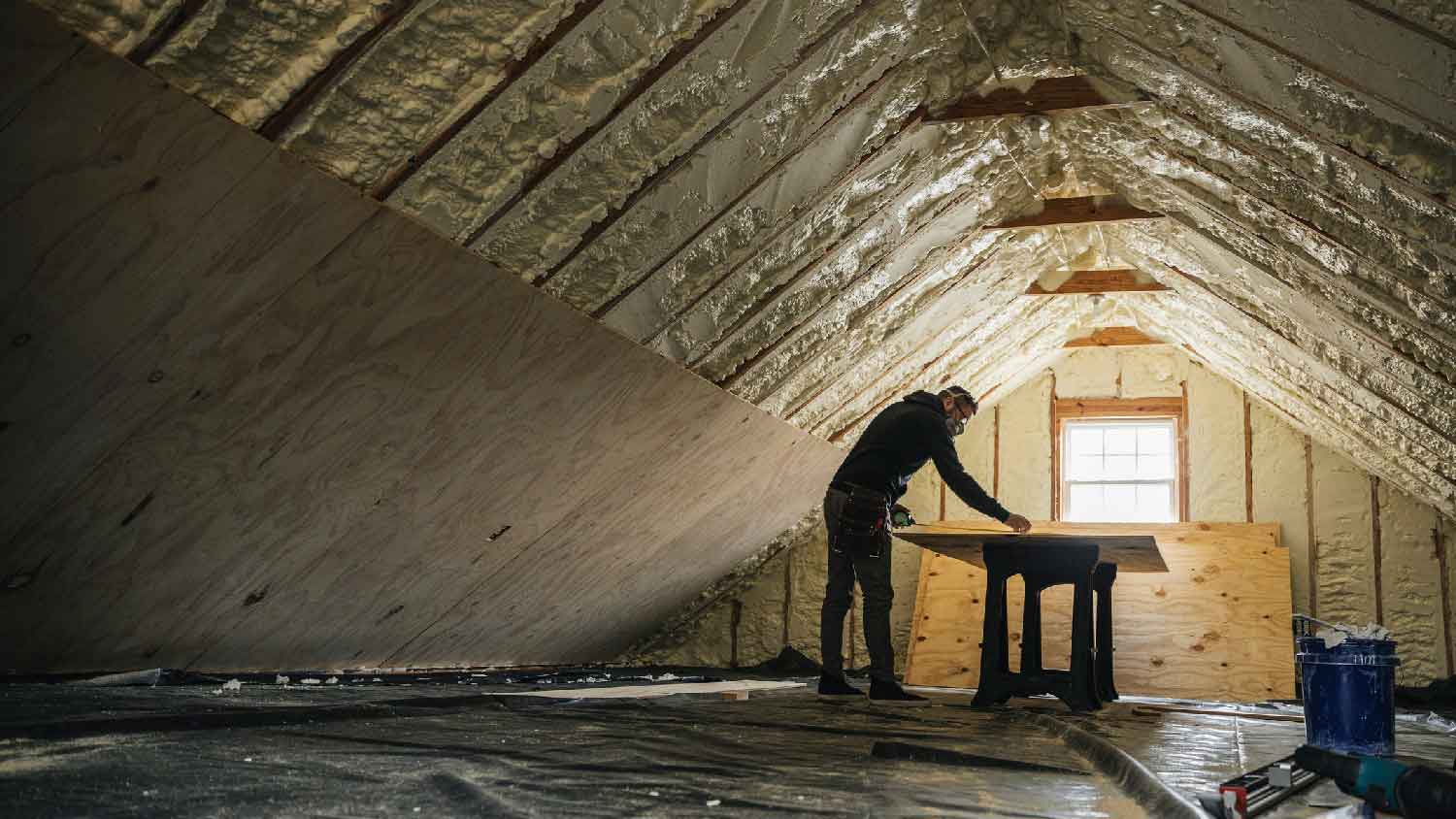
Your attic insulation removal cost will vary based on multiple factors, including why you're removing it and how easy it is to complete the task.
If you’re wondering what blown-in insulation is, keep reading to discover everything you need to know about this type of insulation for your home.
Are your energy bills spiking or rooms feeling drafty? Learn about blown-in insulation installation costs, urgency signs, and how to hire a local pro.

Read our step-by-step guide and learn how to remove fiberglass insulation. Our instructions will help you remove this tricky material quickly and safely.