

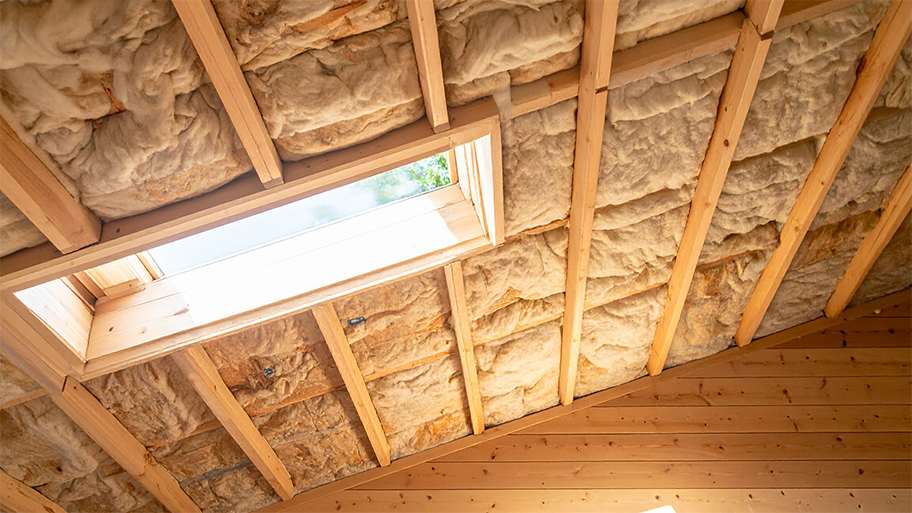
Insulating your attic can massively improve your home’s efficiency and reduce electric bills. Use this guide to find out what attic insulation will cost you.
Insulation service costs depend on your project and location. Check with a local pro for your specific job.

Attic insulation removal costs between $600 and $1,200, with the type of insulation and your attic accessibility determining your final total.
The type of insulation you have affects removal complexity, blown-in needs vacuuming, while batts and rigid boards need hand removal.
Budget for asbestos removal at $1,190 to $3,255 after testing confirms asbestos in your attic insulation.
Hiring a local attic insulation professional keeps your household safe from dust, mold, and contaminants while protecting your attic from damage.
The average attic insulation removal cost is $900, though most homeowners spend between $600 and $1,200. In cases where rodents or hazardous materials are present, the cost can increase significantly.
Learn all the factors that will influence your attic insulation removal cost so you can plan your budget accordingly.
When planning your budget for insulation work in your home, it's important to consider the potential attic insulation removal cost if the job calls for it. While many situations only require you to cover up existing insulation with new, many others, such as when the insulation has damage, will require you to replace it.
The cost of adding attic insulation or the cost of installing a radiant barrier can both have a significant pricing effect if removing existing insulation is also a factor. Additionally, there can be several other reasons you may need to remove insulation from your attic floor or ceiling. Here are the associated costs for the project and what to expect.
The type of attic insulation your home has will affect the cost of its removal. Attic insulation comes in a few varieties, including blown-in, rolls or batts, and rigid forms, all of which demand a specific approach when removing them. Professionals can remove blown-in insulation that's in good condition with a large vacuum device, while batts, rolls, and rigid materials will require hand removal, which is more labor-intensive.
Modern blown-in insulation materials include cellulose, fiberglass, and rock wool. Rolls and batts come in fiberglass, rock wool, and natural fibers, while rigid insulation varieties include foam boards and spray foams. Additionally, plumbing in your attic may include pipe wraps of fiberglass, foam, or other materials.
Expect costs of between $1 and $2 per square foot to remove insulation, with blown-in varieties near the lower end and rigid types near the top end. Keep in mind that those prices are for dry and in good condition non-asbestos insulation.
| Insulation Type | Average Removal Cost |
|---|---|
| Blown-in | $600–$1,000 |
| Batts and rolls | $800–$1,100 |
| Rigid | $900–$1,200 |

The square footage of your attic space will help determine the total cost of the insulation removal project. The bigger the space is and the more insulation material it contains, the more it will cost to accomplish the removal goal.
However, the difficulty of reaching particular parts of the attic is also a significant pricing factor that could add up to $1 per square foot to the price tag for parts that are challenging to reach.
| Attic Square Footage | Average Insulation Removal Costs |
|---|---|
| 200 | $200–$400 |
| 400 | $400–$800 |
| 600 | $600–$1,200 |
| 1000 | $1,000–$2,000 |
| 1500 | 1,500–$3,000 |
If your attic insulation removal project is part of installing new insulation in the space, your contractor will include the cost of labor in the pricing estimate for the entire job. However, it's good to know that the labor price you'll pay ends up being between $35 and $85 per hour for the removal portion of the work.
Where your house is located affects the cost of attic insulation removal. While labor costs vary by location, this factor aligns with the cost of living in your area and is a less significant pricing factor than the climate in your area.
Cold climates require thicker insulation to achieve higher R-values or insulating abilities. Because of this, it can cost more to remove the larger amounts of insulation in northerly-located homes than those situated in more moderate climate zones.
| Home Location | Average Removal Cost Range |
|---|---|
| Southern states | $600–$1,000 |
| Northern states | $700–$1,200 |

Attic insulation removal costs are often affected by other situations, which are often out of our control. Things like animals, pests, mold, and the presence of asbestos can significantly increase the project's price tag.
Insulation provides comfort and warmth for our families. Unfortunately, it can provide the same luxuries for rodents and pests. These unwelcome tenants often leave behind their waste products, which can damage insulation, as well as cause a literal stink that only removal can get rid of. In severe cases, the contamination can be a health concern for some.
While you won't likely pay more to remove rodent-damaged insulation than insulation that's in good shape, getting rid of the pests that cause the damage is essential for the health of your new insulation. Pest removal before, during, or after the insulation removal will increase the project cost by as much as $8,000 in severe cases.
Ongoing pest control costs: $110–$260
It can be hard to know what asbestos looks like and if it's present in your home, especially when it comes to attic insulation. Vermiculite and various blown-in insulation types often contain asbestos, and there's a good chance that if your home's construction date is before 1980, its insulation will contain some level of the stuff. Knowing who to call for asbestos removal is important, and the cost of safely removing it can be significant.
Asbestos removal cost: $1,190–$3,255
Roof damage, water leaks, condensation, and HVAC problems can all cause water damage, including mold in your insulation. Worse yet, a mold infestation in the lower parts of your home doesn't necessarily mean that your attic insulation is unaffected.
If your attic insulation shows signs of mold infestation, hiring a specialist is necessary. In any case, expect the cost of removing moldy insulation to far exceed that of removing insulation with no mold present.
Mold remediation cost: $1,225–$3,750
Hiring a local attic insulation removal pro may cost more upfront, but it ensures the job is done safely and thoroughly. Old insulation can harbor dust, mold, pests, and other contaminants, and improper removal can expose you to health risks or damage your attic. Professionals have the tools, training, and experience to remove insulation efficiently while protecting your home and health.
Attic insulation removal is a specialized task that requires safety precautions, knowledge of building materials, and proper disposal methods. Here are some of the top reasons to work with a pro:
Technicians can safely handle and remove fiberglass, cellulose, or other insulation materials.
Pros use professional equipment to contain dust and prevent contaminants from spreading.
Working with a pro ensures proper disposal according to local regulations.
Professionals can inspect the attic for hidden issues, like leaks, mold, or pest infestations.
Hiring a pro helps prepare your attic for new insulation, improving energy efficiency and comfort.
You shouldn’t attempt full insulation removal yourself, but some prep work can help speed up the process and reduce costs:
Clear the attic of personal items, storage boxes, or valuables.
Note any areas with visible mold, water damage, or pests to share with the technician.
Ensure easy access to the attic hatch and pathways for equipment.
Wear basic protective gear, like a mask and gloves, when handling loose insulation before the pro arrives.
According to Angi data, nearly 20% of all blown-in insulation projects are related to repairing or replacing existing insulation.

Removing your attic insulation is most often part of a larger project, such as a remodel of all or part of your home or an insulation replacement job. When you remove the insulation, it's also an excellent time to accomplish additional tasks like repairing any existing roof damage or having a mold inspection. You can also consider adding other projects to increase the overall energy efficiency of your home.
Roof repair cost: $390–$1,920
Mold inspection cost: $300–$1,045
Home energy audit cost: $210–$700
Crawlspace encapsulation cost: $5,000–$15,000
Basement insulation cost: $1,800–$3,000
Wall insulation cost: $1,400–$6,300
Garage insulation cost: $1,900–$7,700
HVAC replacement cost: $5,000–$12,500
While doing the job yourself can reduce some costs when removing attic insulation, the project is best left to the pros for safety. That said, there are a few other places to cut costs on the removal part of an insulation project. However, there are some steps you can take to help control the overall price of insulating when removal is part of the task.
Take advantage of federal, state, and local energy-efficiency rebates and incentives. Your insulation professional can help make sure you receive any and all applicable benefits.
Determine if your existing insulation requires removal in whole or in part with the help of your insulation professional. If it's in good condition, you can simply install new insulation over the existing materials.
Be ready to discuss with a pro what type of insulation you currently have, as materials like fiberglass, cellulose, or spray foam can affect removal methods and safety precautions.
If there is room left in your budget, ask your pro about add-ons like air sealing, vapor barriers, or upgraded insulation for better energy efficiency.
Be prepared for unexpected costs, such as damaged roof decking, electrical issues, or mold discovered during the removal process.
Plan for access and safety needs, ensuring the attic is cleared and well-lit so the pro can work efficiently and securely.
Home is the most important place on earth, which is why Angi has helped more than 150 million homeowners transform their houses into homes they adore. To help homeowners with their next project, Angi provides readers with the most accurate cost data and upholds strict editorial standards. We extensively research project costs to develop the pricing data you see, so you can make the best decisions for you and your home. We rely on reputable sources, including the U.S. Bureau of Labor Statistics, academic journals, market studies, and interviews with industry experts—all to ensure our prices reflect real-world projects.
Want to help us improve our cost data? Send us a recent project quote to [email protected]. Quotes and personal information will not be shared publicly.
If you’re good people wanting to do business with good people, hire Matt. He is a consummate professional and utterly competent. He installed a water heater in my home at a price that beat competitors by hundreds of dollars with a promise to support the unit for its life (even after its 6 yr...
 Greene's Plumbing Services
I would recommend this company to anyone! He showed up on time, was friendly, completed a very difficult repair on our dryer vent cover, was responsive, and pricing was extremely fair and competitive. I would have him back to do any of our repairs or cleanings without hesitation!
 U.S.A. Dryer Vent, LLC
Best cleaning I've had at my property
I conferred with 2 other contractors before Armstrong Electric. Nick and his crew showed me that the project was not as convoluted as the other contractors made it appear to be. They completed the entire project on time. They were professional, friendly and cleaned up after at completion. I...
 ARMSTRONG ELECTRIC, LLC
Our exterior looks brand new thanks to Custom Paint Jobs LLC. Theyre the best in town!
 Custom Paint Jobs, LLC
Excellent experience with hiring Tether House to Mount our 77’ Samsung TV in our bedroom. Fast, friendly, and knowledgeable. Highly recommend.
 Tether House
The techs on my project, Shawn and Cliff, were great. They were prompt, courteous, and efficient. I am very happy with the results and would definitely contact Mr. Electric for any future electrical projects.
 Mr. Electric of Columbus
We had our houses windows and back door replace this summer by Window Depot USA of Central. He gave us grate advise and saved my family lots money. The team did a fantastic job with installation. If you need help, they sure get job done right!
 Window Depot USA of Central Ohio
Beginning with the estimate, Larry and Peyton were super helpful in getting my new condo's interior re-painted. Not only was the job well done, but also done in a super timely manner as promised.
 Five Star Painting of Plain City and Powell
Great job...edging and pre clean up went well with a great job with seal coat. Friendly, efficient and professional.
 All Star Paving and Sealing
From average costs to expert advice, get all the answers you need to get your job done.
Insulating your attic can massively improve your home’s efficiency and reduce electric bills. Use this guide to find out what attic insulation will cost you.
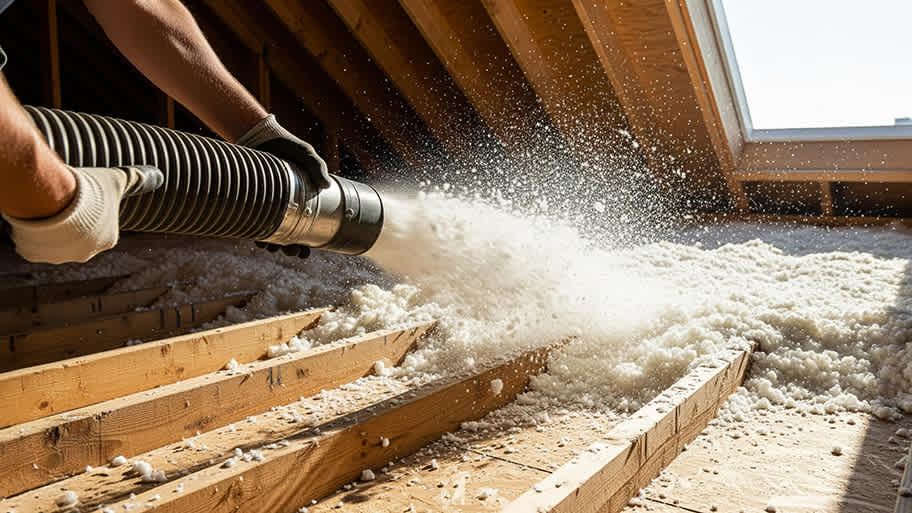
The cost of blown-in insulation costs varies depending on the type of insulation, labor, prep work, and more. Learn more about the cost factors in this guide.

New insulation can make your home more comfortable and boost energy efficiency. Use this insulation cost guide to get an accurate estimate for the installation.

Remove blown-in insulation from your attic safely and efficiently by following this step-by-step guide and prep for your attic remodeling project.
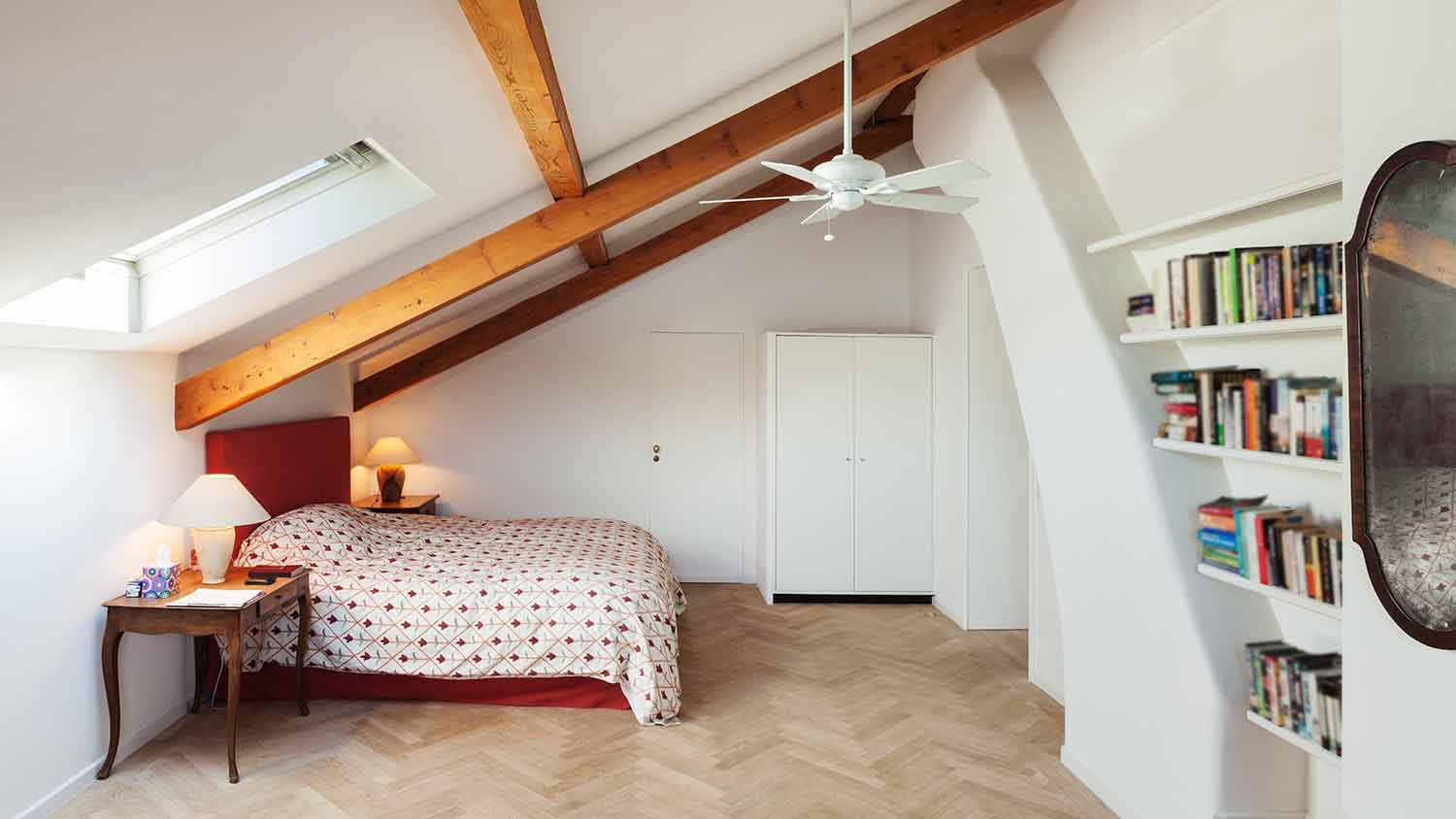
Your home likely loses most of its heat through your attic. This guide on different types of attic insulation can help you boost your home’s efficiency.

This guide breaks down what attic insulation is and its importance in keeping your home the temperature you want. Keep reading to learn more.