
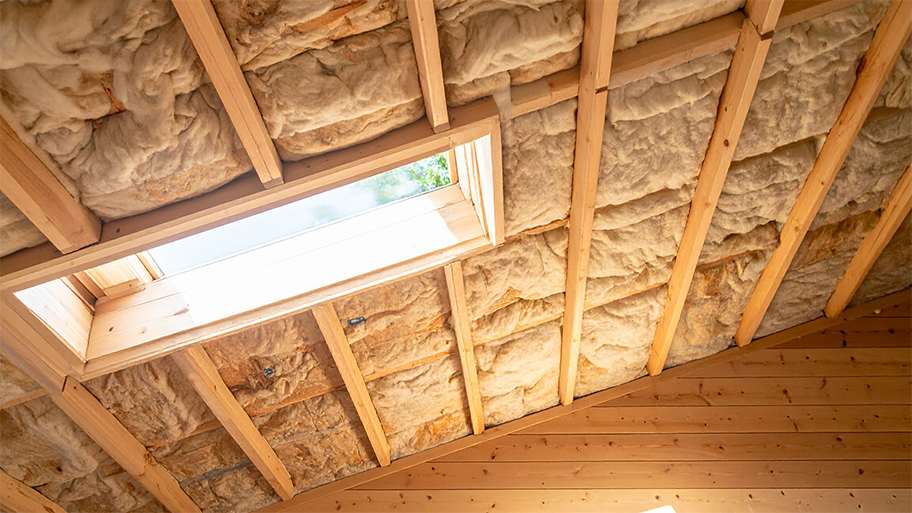
Insulating your attic can massively improve your home’s efficiency and reduce electric bills. Use this guide to find out what attic insulation will cost you.
Get to the bottom of where to put attic insulation

The choice between attic floor insulation and attic ceiling insulation depends on whether your attic is unfinished or used as living space.
Attic floor insulation costs $1 to $3 per square foot, while ceiling insulation costs $3 to $7 per square foot for materials and labor.
Unfinished attics need floor insulation to keep your home's heated or cooled air from escaping, while finished attics require ceiling insulation instead.
Hiring a local attic insulation professional keeps installation simple and ensures proper moisture barriers, material selection, and coverage for your specific attic type.
Should I insulate my attic floor or ceiling? If you're looking for the best way to make your home more efficient, you may be facing this dilemma. While there's no one-size-fits-all answer, the specifics of your home can help to determine which approach is best. This no-fluff guide to fluffing up your attic insulation will help you get the answers you need to move forward with this project.

The main difference between attic floor and attic ceiling insulation is that attic floor insulation is placed on the floor of the attic, while attic ceiling insulation is placed on its ceiling. Attic floor insulation keeps the room beneath the attic comfortable, while attic ceiling insulation aims to control the attic temperature.
| Attic Floor Insulation | Attic Ceiling Insulation |
|---|---|
| Ideal for unfinished attics | Ideal for finished attics |
| Easy installation | Complex installation |
| Moisture barrier is not always needed | Moisture barrier is always needed |
| Budget-friendly | More expensive to install |
The main difference between attic insulation and roof insulation is where the material is installed. Attic insulation is added to the attic floor—which is also the ceiling of the room below—whereas roof insulation is on the underside of the roof deck. They both use similar materials, but roof insulation prevents heat loss through the roof, while attic insulation helps regulate the living space below.

Insulating your attic floor is the standard practice for all residential unfinished attic spaces and costs about $1 to $3 per square foot, which comes out to $1,000 to $3,000 for a 1,000-square-foot attic. During this project, insulation should be applied to the attic floor, the attic subflooring, and any other flooring materials used. Why is insulating the attic floor considered the norm?
Generally, focusing on the attic floor is the best way to conserve energy. Insulation added to your attic floor can help to keep the main portion of your home protected against drafts and leaks. All you have to know for this to make sense is that heat rises. As heat rises, it finds its way to "icy" pockets of air. If your attic floor isn't insulated, heat will continue to rise away from your living area because there's no barrier to stop it. This creates higher demands for heating and cooling during hot and cold times of the year which will ultimately lead to higher energy bills.

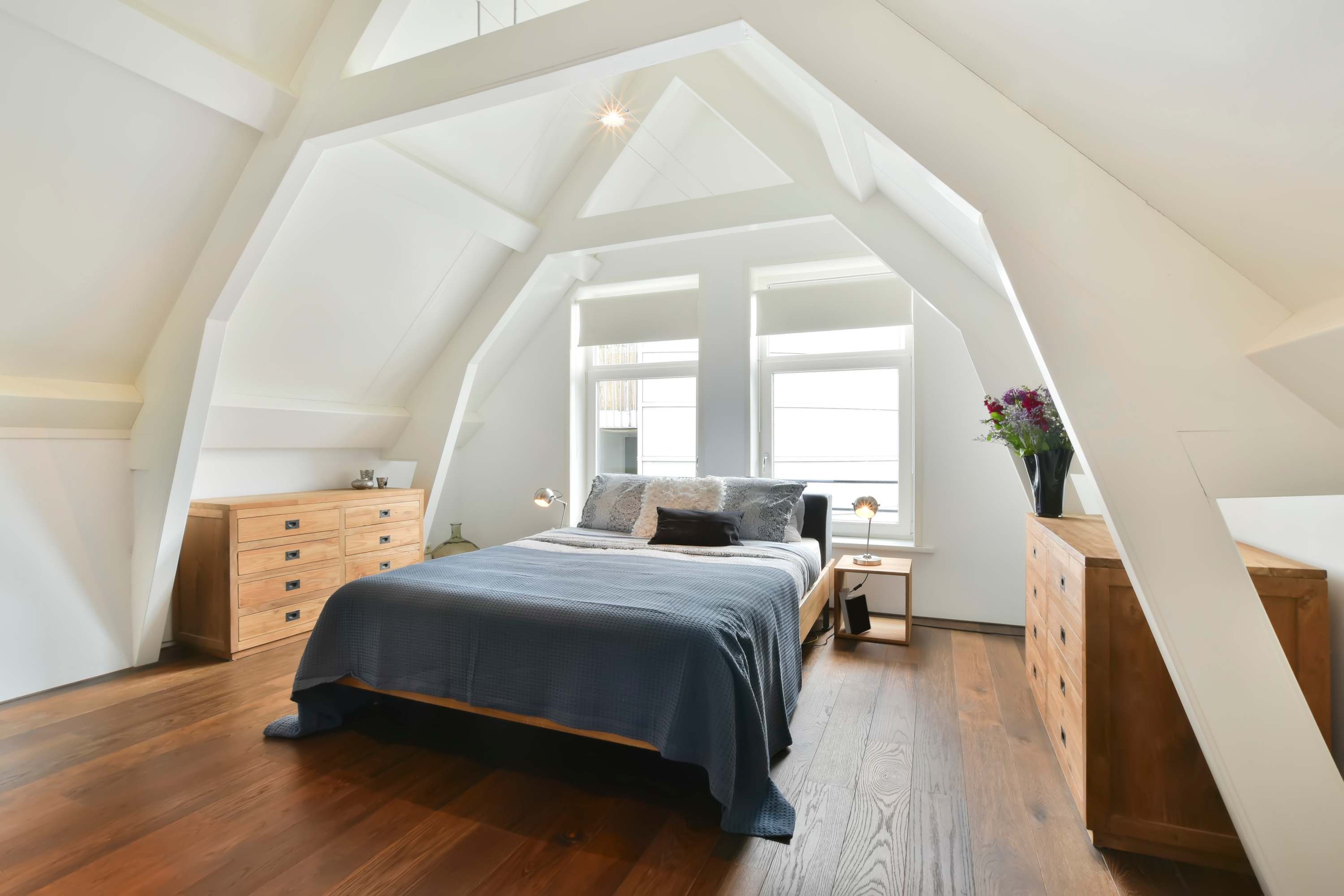
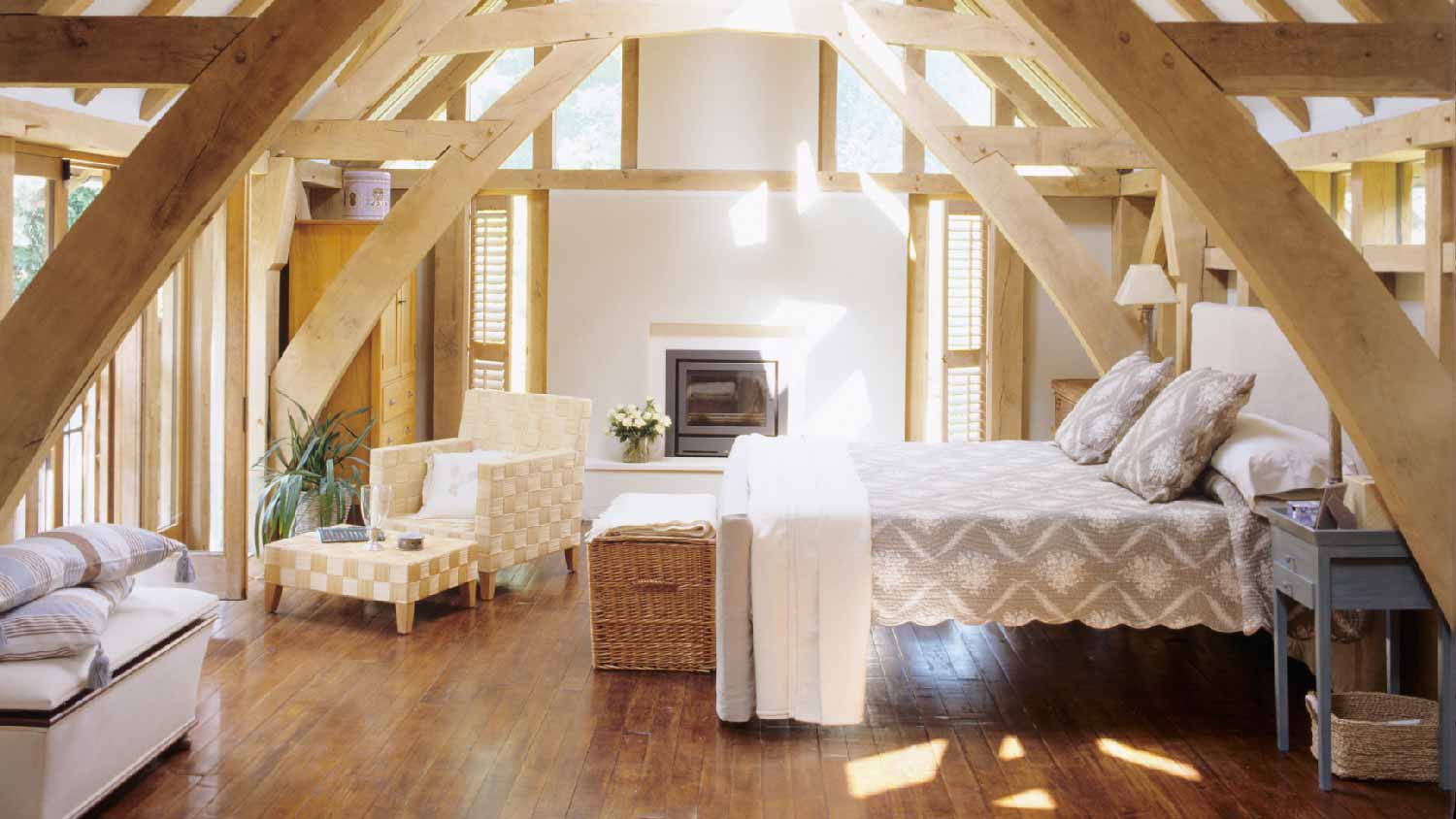
The rules for where to apply insulation in your attic change a bit if you're talking about a finished attic that is used for additional living space. Once an attic becomes a living space, the goal of keeping warmed or cooled air out of the attic switches to keeping that "expensive" air within the confines of the attic instead of allowing it to fly out of the roof.
When attics are used as living spaces, it's necessary to insulate the inner surfaces of your roofing instead of your floor. The reason is that you don't want your insulation to prevent heat or cooled air from reaching your attic. Attics that go from frosty in the summertime to stiflingly hot in the summertime are unlivable.
Insulating your attic ceiling is far more complicated than insulating your attic floor and therefore costs more—between $3 and $7 per square foot—to install. First, you'll need to install an inner roof lining that keeps snow, rain, and debris out of your attic because moisture and debris particles can destroy insulation. Next, the installation process requires you to insert insulation between beams instead of simply lining them along the floor.
You should also consider adjusting your insulation plans away from standard floor insulation if you have future plans to turn a currently unfinished attic into a usable living space. However, you should do your research on the viability of actually turning an unfinished attic into an extra room before making a decision about your insulation based on a future plan. The reason is that local code requirements regarding attic conversions can be rigorous.
Generally, attics are required to have ceiling heights of 7 feet to 8 feet in order to be eligible for conversion. If your attic doesn't currently meet the local requirement for height, you may need to renovate your roof in order to get your home up to code. In many cases, homeowners end up lifting or extending their roofs by a few feet. If you add insulation to your attic ceiling before you know about these requirements, you may end up undoing all of the insulation work you just paid for when you alter your roof.
If you're looking to maximize energy efficiency, you can consider adding insulation to both the floor and ceiling. While this is more expensive, it will ensure that heat from the lower levels of your home stays in the home instead of "flying out" through the roof. Homeowners should also consider adding insulation to exterior walls for this reason.
According to Angi data, 54% of homeowners report having blown-in insulation in their attics. Other common locations for this essential home insulation are inside the walls and ceilings.
You can generally use the same insulation options for attic floors and ceilings. While blown-in insulation is becoming increasingly popular due to its affordability, the two most common choices recommended by local attic insulation companies are boards and mineral wool. Mineral wool offers the advantages of being inexpensive, resistant to moisture, and excellent for muffling sounds. You should have mineral wool on your radar if you're wondering how to soundproof a room after moving a bedroom to the attic. Mineral wool also provides excellent fire resistance.
While foam boards aren't as resistant to fire as mineral wool, they do offer many of the same benefits. Board insulation is excellent for regulating temperatures, combating moisture and mold, and preventing damage caused by pests. The dense, rigid qualities of foam board are also exceptional for preventing air leaks caused by gaps.
If you’re good people wanting to do business with good people, hire Matt. He is a consummate professional and utterly competent. He installed a water heater in my home at a price that beat competitors by hundreds of dollars with a promise to support the unit for its life (even after its 6 yr...
 Greene's Plumbing Services
I would recommend this company to anyone! He showed up on time, was friendly, completed a very difficult repair on our dryer vent cover, was responsive, and pricing was extremely fair and competitive. I would have him back to do any of our repairs or cleanings without hesitation!
 U.S.A. Dryer Vent, LLC
Best cleaning I've had at my property
I conferred with 2 other contractors before Armstrong Electric. Nick and his crew showed me that the project was not as convoluted as the other contractors made it appear to be. They completed the entire project on time. They were professional, friendly and cleaned up after at completion. I...
 ARMSTRONG ELECTRIC, LLC
Our exterior looks brand new thanks to Custom Paint Jobs LLC. Theyre the best in town!
 Custom Paint Jobs, LLC
Excellent experience with hiring Tether House to Mount our 77’ Samsung TV in our bedroom. Fast, friendly, and knowledgeable. Highly recommend.
 Tether House
The techs on my project, Shawn and Cliff, were great. They were prompt, courteous, and efficient. I am very happy with the results and would definitely contact Mr. Electric for any future electrical projects.
 Mr. Electric of Columbus
We had our houses windows and back door replace this summer by Window Depot USA of Central. He gave us grate advise and saved my family lots money. The team did a fantastic job with installation. If you need help, they sure get job done right!
 Window Depot USA of Central Ohio
Beginning with the estimate, Larry and Peyton were super helpful in getting my new condo's interior re-painted. Not only was the job well done, but also done in a super timely manner as promised.
 Five Star Painting of Plain City and Powell
Great job...edging and pre clean up went well with a great job with seal coat. Friendly, efficient and professional.
 All Star Paving and Sealing
From average costs to expert advice, get all the answers you need to get your job done.
Insulating your attic can massively improve your home’s efficiency and reduce electric bills. Use this guide to find out what attic insulation will cost you.
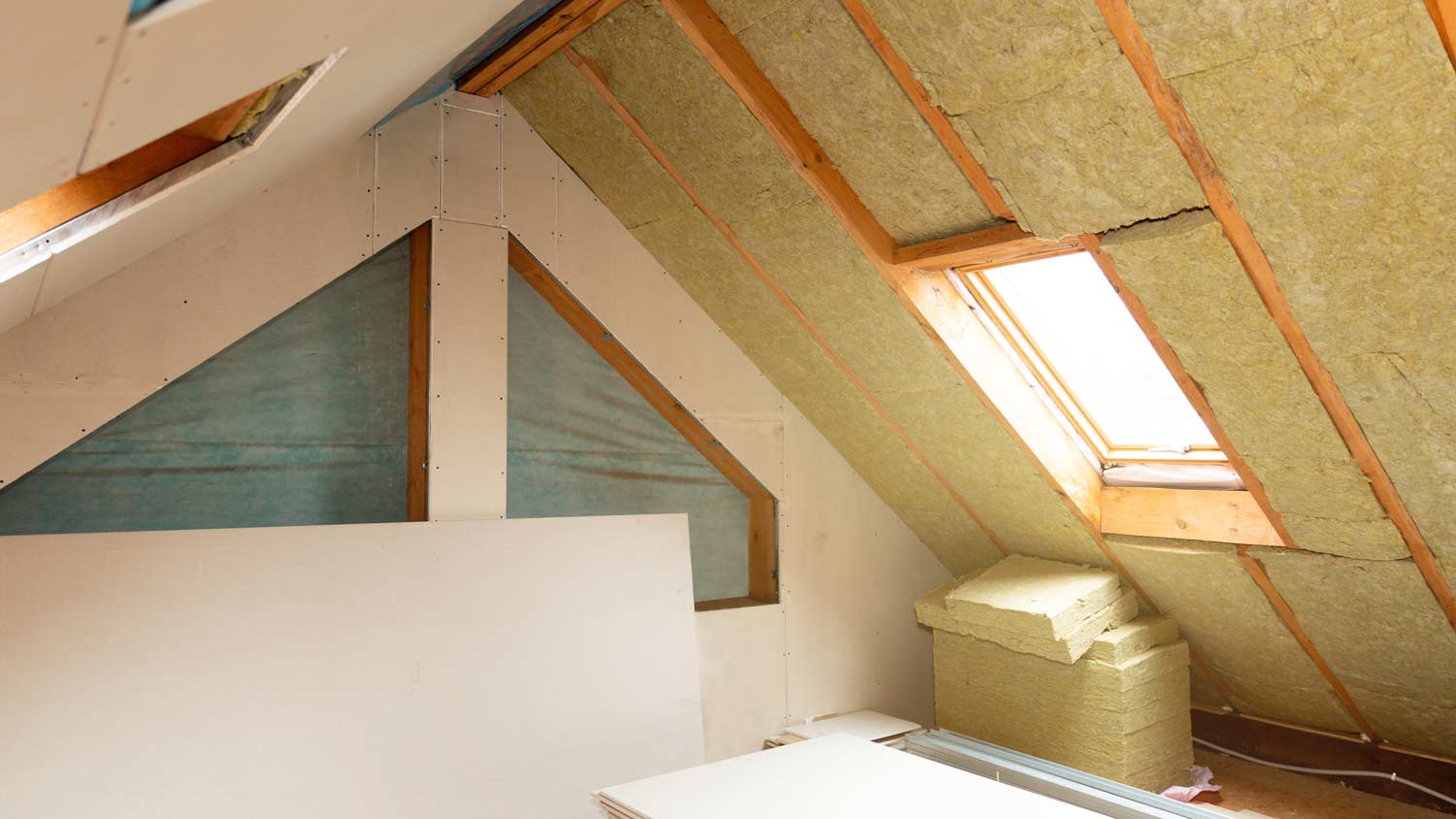
Your home's ceiling insulation cost will depend on several factors, including the project size, the type of insulation you use, and the R-value.
New insulation can make your home more comfortable and boost energy efficiency. Use this insulation cost guide to get an accurate estimate for the installation.
When it comes to insulating your attic, there are a few tips and tricks to help make things safe and efficient.

How much does attic insulation help with temperature regulation? As long as it’s properly installed, it can affect your home’s temperature by several degrees.
Read our guide to insulating your attic for energy efficiency and comfort. Learn expert safety tips, cost considerations, proper preparation, and more.