
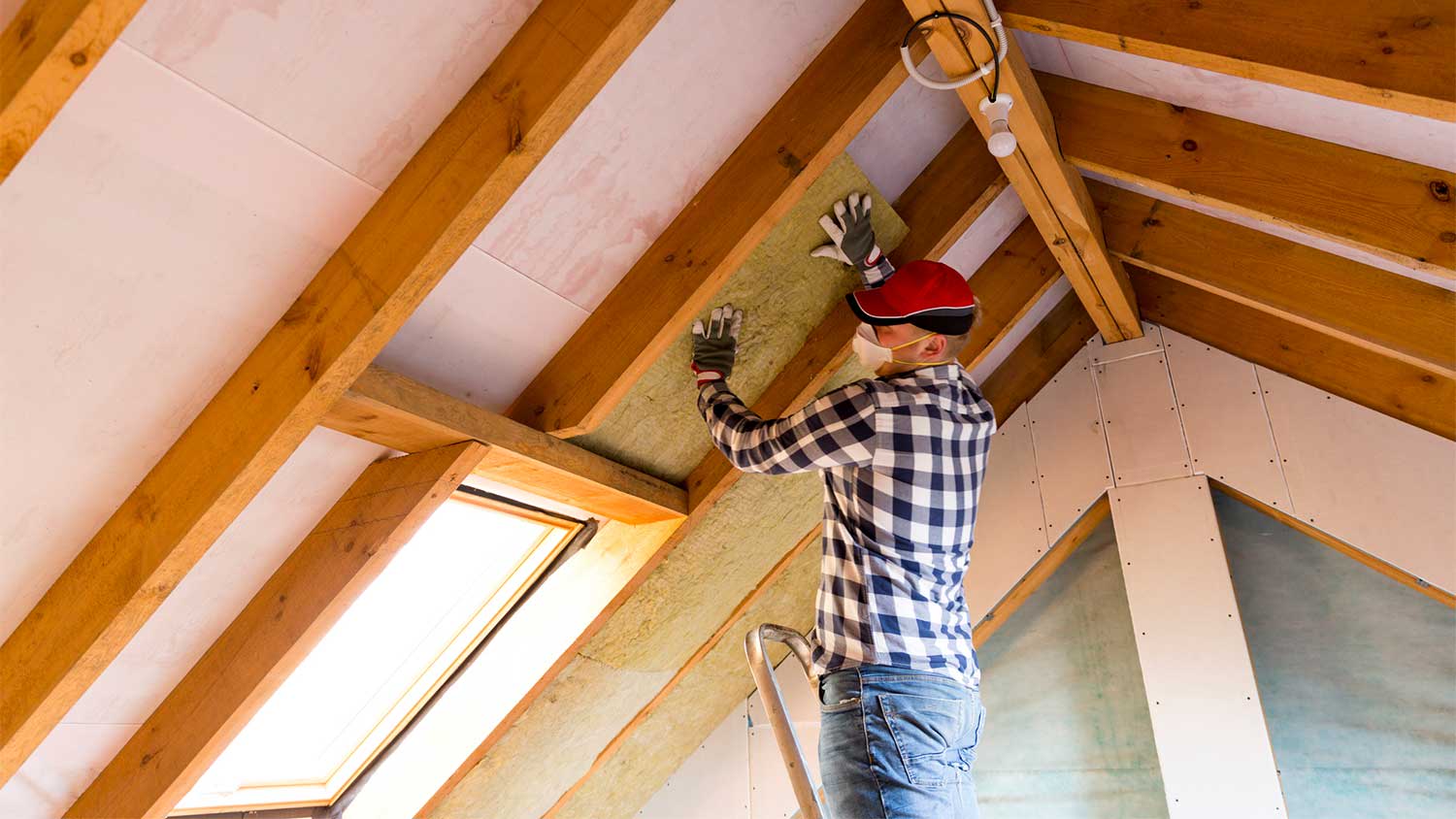
Your attic insulation removal cost in Chicago, IL will vary based on multiple factors, including why you're removing it and how easy it is to complete the task.
Insulation service costs depend on your project and location. Check with a local pro for your specific job.

Blown-in insulation costs $1 to $3 per square foot on average in Chicago.
Chicago’s long, harsh winters often require higher R-values, which means higher costs.
Older Chicago homes may require air sealing or removal of old insulation before new blown-in insulation is installed.
Local permitting rules typically don’t apply to insulation alone, but updates to electrical or ventilation systems may require them.
Chicago’s older homes and long winter season make proper insulation especially important for maintaining comfort and managing energy use year-round. Blown-in insulation in Chicago typically costs around $1,631, with most projects falling within the range of $1,099 to $2,273. Your final cost depends on the size of the space, the type of insulation you choose, and the R-value needed to handle Chicago’s cold climate. Below is a breakdown of the components that contribute to the project's price.
The cost of blow-in insulation in Chicago, IL, depends on a few core variables, like how much space you’re insulating, the R-value you’re targeting, and the material you choose. Understanding each factor and its impact on price will make it easier to predict the cost of your project.
The biggest cost factor is the size of the area that requires insulation. A larger area requires more insulation and labor, increasing the overall price. This metric is calculated by multiplying your square footage by the cost per square foot of your chosen insulation materials, which are detailed below. However, a general range for blown-in insulation per square foot is $1 to $3, depending on the type.
| Area in Square Feet | Blown-in Insulation Cost Range |
|---|---|
| 500 | $500–$1,400 |
| 1,000 | $1,000–$2,800 |
| 1,500 | $1,500–$4,200 |
In Chicago, the R-value matters more than almost anything else because the winters are long, cold, and unforgiving. The higher the R-value, the better the insulation performs, which means the less heat you lose when the temperature drops into the single digits. Materials with higher R-values typically cost more up front, but they can save you money on your energy costs.
Below is a breakdown of R-values and the corresponding prices:
| R-Value | Number of Bags per 1,000 sq. ft. | Description | Price Range |
|---|---|---|---|
| R-13–R-2 | 7–10 | Fine for mild upgrades, but too low for most Chicago homes. | $230–$330 |
| R-30–R-49 | 15–20 | A common range for older Chicago homes; provides solid performance for most seasons but may fall short in deep winter. | $500–$1,250 |
| R-38–R-49 | 20–26 | A good option for most Chicago homes, providing a nice balance of cost and efficiency. | $1,000–$1,450 |
| R-49–R-60 | 26–32 | Ideal for Chicago’s harsh winters and energy savings in older homes with heat loss issues. | $1,450–$1,950 |
The cost to install blown-in insulation depends on the type of insulation you choose for the project. Anticipate spending anywhere between $0.50 and $2.20 per square foot for materials, not including installation. Below is a breakdown of each blown-in material type and how much it costs.
| Type of Blown-In Insulation | R-Value per Inch | Average Cost per Square Foot |
|---|---|---|
| Fiberglass | 2.5 to 3.5 | $0.50–$1 |
| Wet-spray cellulose | 3.2 to 3.7 | $0.70–$1.60 |
| Dense-pack cellulose | 3.2 to 3.7 | $1.80–$2.20 |
| Rockwool | 3.0 to 3.7 | $1.40–$2 |
| Natural wool | 3.5 to 3.8 | $1.80–$2.80 |
Hiring an insulation pro in Chicago comes with its own set of cost factors beyond the insulation itself. Labor rates, permit requirements, and local taxes all influence the final price. Here’s what you can expect when budgeting for a blown-in insulation project in the Windy City.
Chicago labor for blown-in insulation typically ranges from $75 to $150 per hour, depending on the crew size and the difficulty of accessing the space. If workers have to navigate a cramped entry, work around electrical lines, or dense-pack old walls, you’ll likely pay at the higher end of that spectrum.
Chicago typically doesn’t require a permit for adding blow-in insulation unless the work is tied to ventilation, electrical adjustments, or a broader renovation. When needed, permits run $75 to $200.
Reputable Chicago insulation companies carry liability insurance and workers’ compensation, and many hold a home repair or general contractor license through the city. These overhead costs often show up in their labor rates, especially for attic work involving wiring, ladders, and tight spaces, but they help protect your home and wallet from unexpected damage.
Chicago applies a 10.25% sales tax to materials. Labor isn’t taxed, so these taxes only apply to the insulation itself. It’s a good idea to make sure your estimate only taxes the materials to avoid paying unnecessary fees.
Adding blown-in insulation is a worthwhile upgrade in Chicago because it improves efficiency and helps older homes hold heat during the long winter season. It likely won’t dramatically change your home’s market value on its own, but it can make the home more comfortable and lower utility costs, which appeals to most buyers.
Home is the most important place on earth, which is why Angi has helped more than 150 million homeowners transform their houses into homes they adore. To help homeowners with their next project, Angi provides readers with the most accurate cost data and upholds strict editorial standards. We survey real Angi customers about their project costs to develop the pricing data you see, so you can make the best decisions for you and your home. We pair this data with research from reputable sources, including the U.S. Bureau of Labor Statistics, academic journals, market studies, and interviews with industry experts—all to ensure our prices reflect real-world projects.
Want to help us improve our cost data? Send us a recent project quote to [email protected]. Quotes and personal information will not be shared publicly.
Our retail building had been suffering from annoying leaks that multiple handymen failed to fix permanently. We finally brought in specialists for a flat roof repair assessment. They utilized imaging to locate trapped moisture and showed us why a localized roof damage repair was no longer...
 Chicago Flat Roofing Contractors
We ended up having to completely gut the first floor after extensive damage from another contractor. They were the first people to understand and support my desire to both repair the house and preserve some of its original charm. I cannot believe the amount of work they were able to get done....
 New Color Cabinets LLC
We hired Vanguard to replace all of our windows, and the entire experience was outstanding. From the initial consultation to the final installation, Glenn and his crew were professional, efficient, and extremely skilled. They worked meticulously to ensure that each window fit perfectly,...
 Vanguard Building Inc
David and his team were very professional and did a excellent job insuring our Blown-in insulation on our 4500 square ft. townhome Thank you Dap and Sons for such outstanding services and insuring our mission was accomplished.
Everything went great. Tomer was extremely professional and walked me through relevant options, including door insulation and opener models. The price was better than competitors. He was punctual and always available by phone or text with questions. Tomer's team cleaned up afterwards and took...
 5 Star Garage Door
Carlos was such a lucky find. He arrived promptly for both the estimate and day of work. He was very deliberate and took his time assessing the situation, which quite frankly, was difficult to assess. His quote was a very fair price for the materials and hours of labor required to install...
 Full Efficiency Heating And Cooling
overall the experience with USA Insulation was a positive one from the initial contact to the finished job .
 USA Insulation of Chicago
RevFoam did an outstanding job insulating our kitchen and garage. We had severe ice dams this past winter resultanting in substantial water damage. Gwen from RevFoam gave quality recommendations on insulating the roof from the heat of the kitchen. We also had our garage ceiling inserted to...
 Revolutionary Spray Foam Services LLC
The energy audit discovered 3 significant sources of increased energy costs, two are related to heat loss while the third is an old and inefficient boiler for or downstairs radiator system. The audit took about one hour and utilized a front door mounted fan that drew air out of the house...
 Green Attic Insulation
If it weren't for Angie's List, I'd never have the opportunity to work with people who are warm, friendly, informative and professional. Every communication was straightforward and honest and I felt like I knew exactly what I was going to get as opposed to a bait and switch. <br /> Chuck...
 High Tech Waterproofing LLC
From average costs to expert advice, get all the answers you need to get your job done.
Your attic insulation removal cost in Chicago, IL will vary based on multiple factors, including why you're removing it and how easy it is to complete the task.
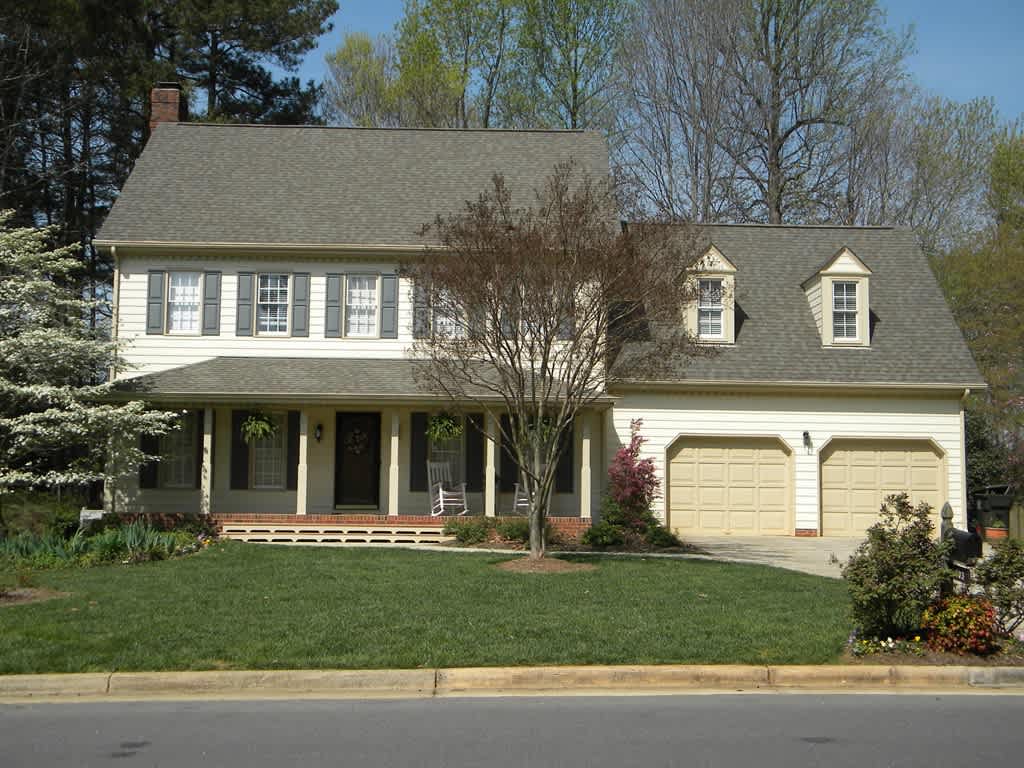
New insulation makes your home more comfortable and boosts energy efficiency. Use this guide to budget for insulation installation costs in Chicago, IL.
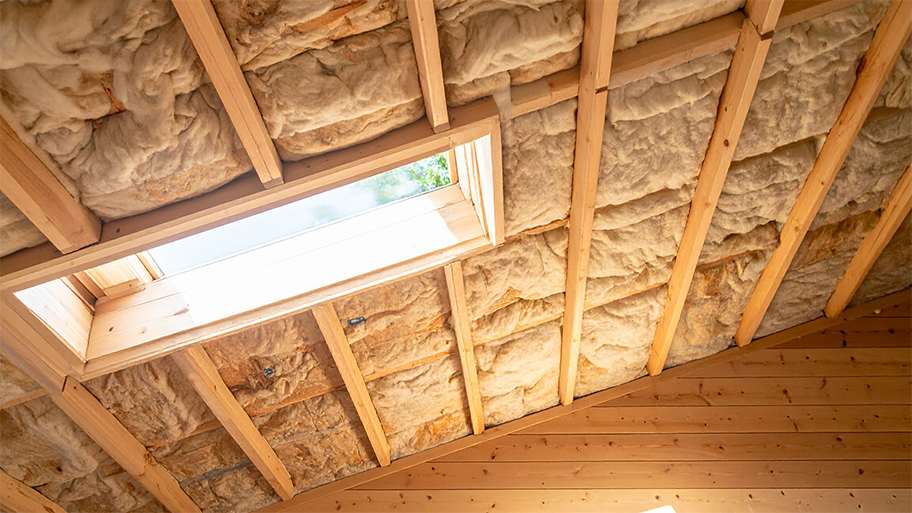
Insulating your attic can improve your home’s efficiency and reduce electric bills. Use this guide to find out what attic insulation will cost you in Chicago, IL.
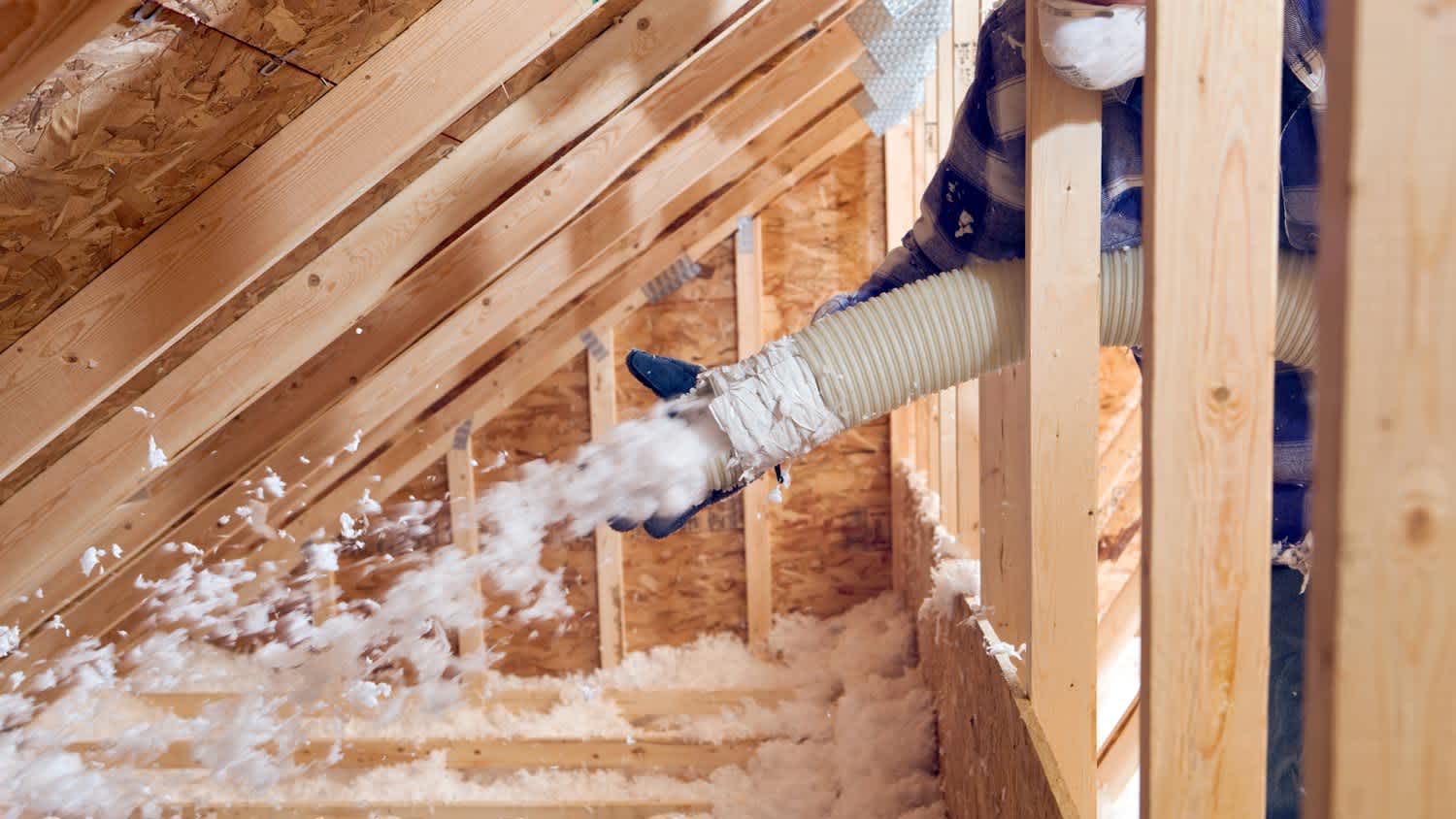
Are your energy bills spiking or rooms feeling drafty? Learn about blown-in insulation installation costs, urgency signs, and how to hire a local pro.

Remove blown-in insulation from your attic safely and efficiently by following this step-by-step guide and prep for your attic remodeling project.
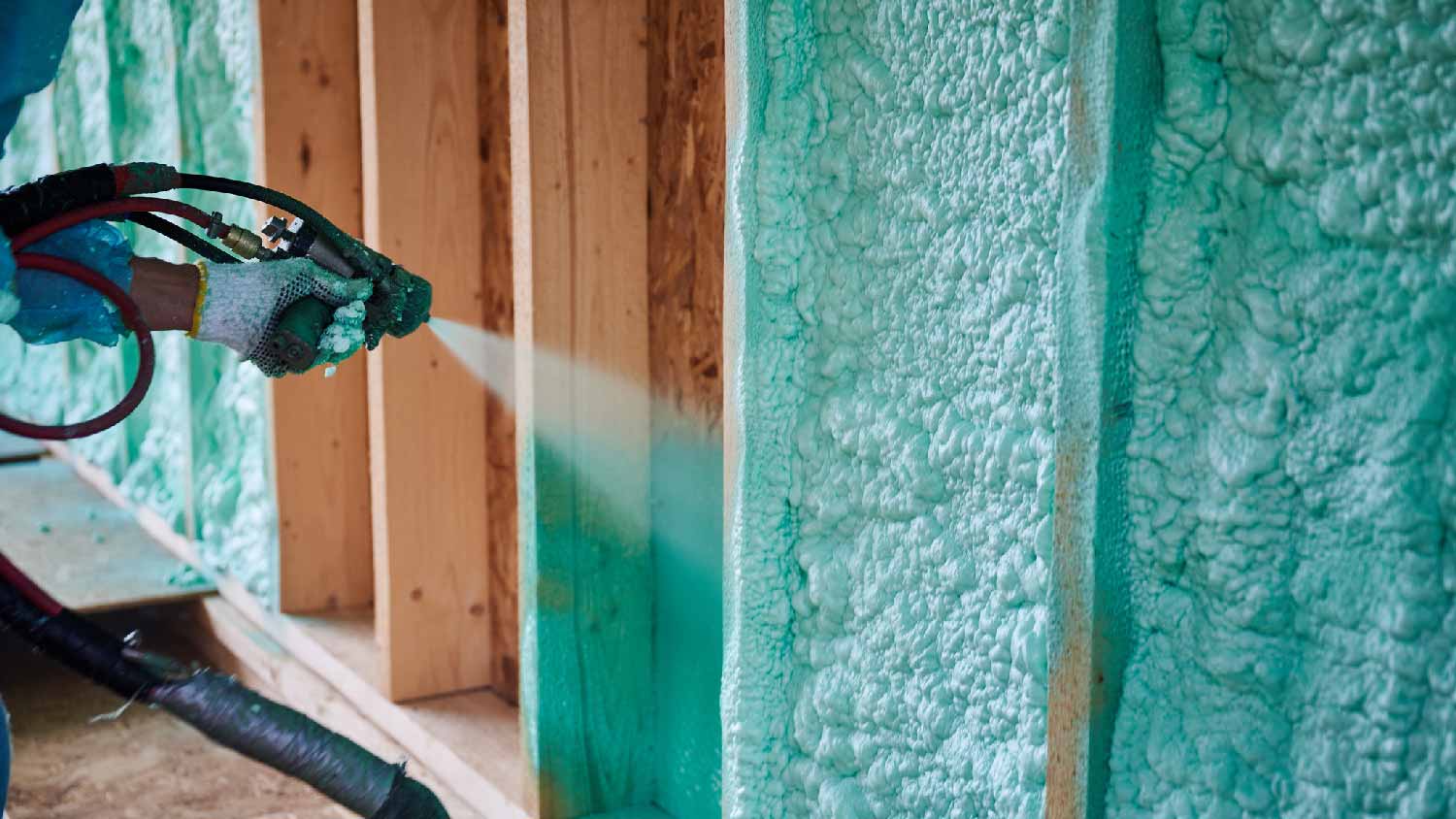
Are you stuck trying to decide between blown-in insulation and spray foam insulation? Factors like your budget and local climate will help you pick the right one.