

If you are wondering what asbestos pipe insulation looks like, you need to watch for a light gray wrap that resembles corrugated cardboard or paper.
Tread carefully when hunting for any signs of asbestos in your home

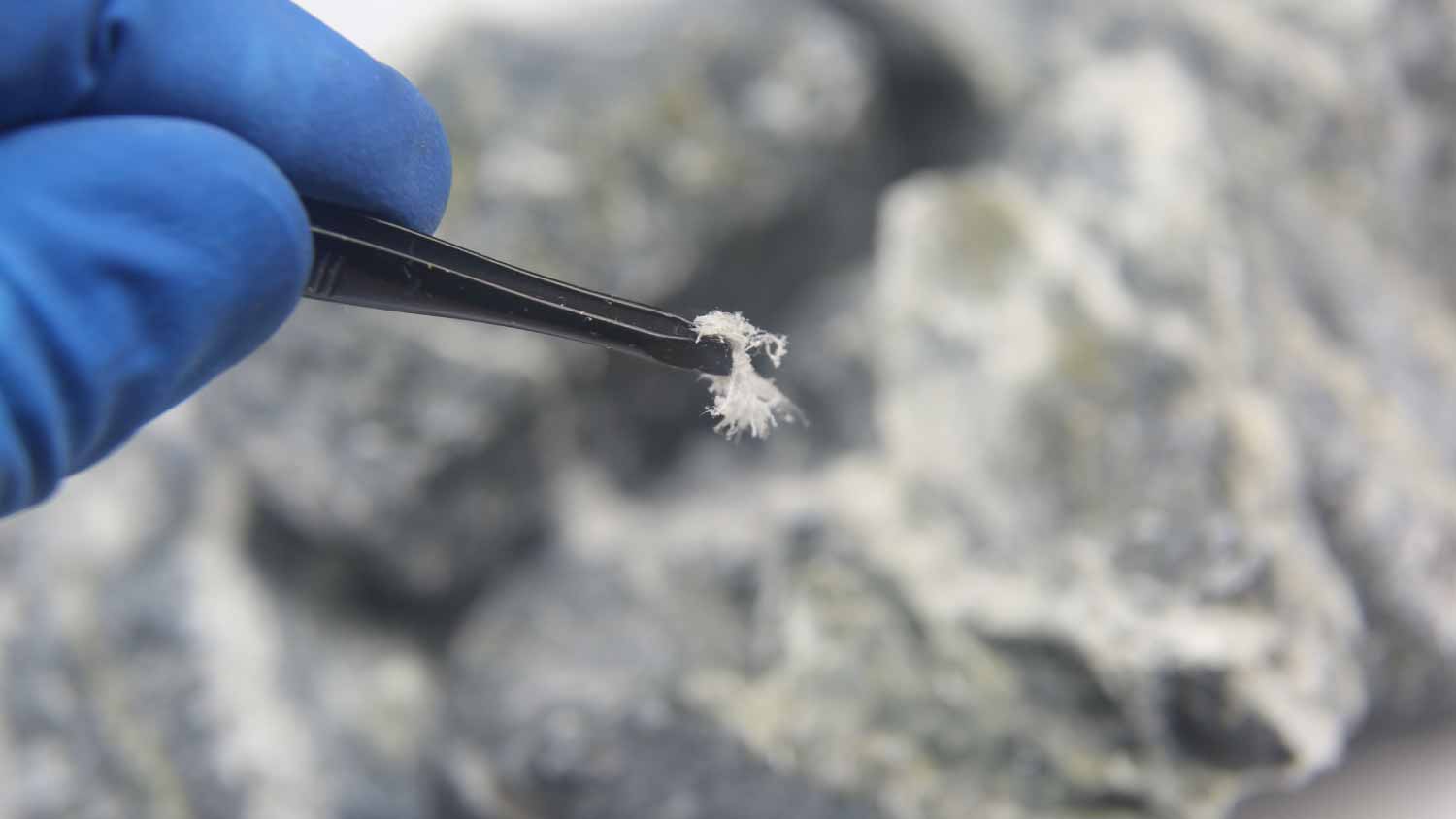
Asbestos insulation has a fluffy or powdery texture and appears in white, gray, or light brown colors, making it look like loose fibrous material in your attic or walls.
Disturbed asbestos insulation releases microscopic fibers you can inhale, leading to serious health risks like asbestosis, mesothelioma, and lung cancer over time.
Your home likely contains asbestos insulation if it was built between the 1900s and 1970s, especially around pipes, boilers, ducts, and in attic spaces.
Hiring a local asbestos testing professional provides peace of mind through proper inspection and safe handling, keeping you and your family protected from exposure risks.
If you own an older home, you may be worried about the types of building materials used. One material that can cause a concern for a homeowner–if their home was built before the 1970s–is asbestos insulation. Unfortunately, this type of insulation contains asbestos fibers, and asbestos exposure can cause health issues. To help you determine if there is asbestos insulation in your home, it’s important to know the visual signs. What does asbestos insulation look like? Typically, this type of insulation has a fluffy or powdery texture and can be white, gray, or light brown in color.
Learn more about how to identify asbestos insulation in your home.
According to data from Angi customers, 44.7% of homeowners request immediate removal of asbestos in their homes—only 26.9% of homeowners say the timing is flexible. Asbestos removal isn’t an emergency in the same sense as a house fire, but long-term exposure can cause significant respiratory issues, so you should at least consult an asbestos removal company as soon as you get an inkling that there’s asbestos in your home.
Asbestos insulation is a type of insulation material that contains asbestos fibers. Asbestos is a naturally occurring mineral known for its heat resistance and durability. Due to its strong insulating properties, asbestos was widely used in various industries and construction materials.
If your home was built before the 1970s, there’s a chance some of the building materials used contain asbestos. You'll need to hire a pro to detect for any asbestos.

The danger associated with asbestos insulation stems from the microscopic fibers that make up asbestos. When disturbed or damaged, these fibers can become airborne and easily inhaled. Once inhaled, they can lodge in the lungs and other organs, causing serious health issues over time. Asbestos insulation poses a risk when disturbed during a renovation, demolition, or deterioration over time. Because of the risks, it is safer to hire a professional to identify any asbestos in your home.
The primary health risks associated with asbestos exposure include:
Asbestosis: Prolonged exposure to asbestos fibers can lead to the scarring of lung tissue, causing a chronic and progressive respiratory condition called asbestosis. This scarring can impair lung function, leading to breathing difficulties and, in severe cases, cardiac complications.
Mesothelioma: Exposure to asbestos is a significant risk factor for mesothelioma, a rare and aggressive form of cancer that affects the lining of the lungs, abdomen, or heart. Mesothelioma has a long latency period, often manifesting decades after initial exposure, and it has a poor prognosis.
Lung cancer: Asbestos exposure also increases the risk of developing lung cancer, especially among individuals who smoke or have a history of smoking. The combination of asbestos exposure and smoking significantly increases the likelihood of lung cancer.
Asbestos looks like a group of naturally occurring fibrous minerals, and it may resemble a white, gray, or bluish material.
Asbestos insulation comes in various forms, each with distinct characteristics and applications. Identifying the specific type of asbestos insulation is crucial for safe handling and removal by certified professionals. The primary types of asbestos insulation include loose-fill, blanket, and sprayed insulation. Let’s take a closer look at each of these types:

Loose-fill asbestos insulation was a popular choice due to its easy application and effectiveness in filling voids or spaces within buildings. This type of insulation consists of loose, fibrous asbestos material and resembles a fluffy consistency akin to fiberglass or cellulose insulation. Its flexibility made it ideal for insulating attics, wall cavities, and areas where traditional insulation methods were challenging. However, the loose nature of this material poses a significant risk if disturbed, as it can release airborne asbestos fibers, leading to potential health hazards upon inhalation.

Blanket insulation, a prevalent form in older residential and commercial structures, resembles woven cloth or thick blankets. This type of asbestos insulation was commonly used to wrap around pipes, boilers, and ducts, providing thermal insulation. The blanket-like appearance made it relatively easy to install around irregular surfaces, contributing to its widespread usage. However, similar to loose-fill asbestos, the disturbance or deterioration of blanket insulation can release asbestos fibers into the air, necessitating careful handling and professional removal.

Sprayed-on asbestos insulation involves the application of a mixture containing asbestos fibers and binders onto surfaces. This method was extensively used to create an insulating or fireproofing layer on ceilings, walls, and structural components in various buildings and industrial settings. The sprayed-on texture allowed for customization and adherence to different surfaces. Nevertheless, the crumbly nature of sprayed asbestos insulation makes it highly susceptible to damage, leading to the potential release of hazardous asbestos fibers into the environment.
Hiring a professional to identify asbestos insulation in your home is the safest path forward, but you can look for the following signs of asbestos insulation if you proceed with caution.
Asbestos insulation often exhibits a distinctive fluffy or powdery texture, resembling loose, fibrous material akin to cotton candy or shredded paper. This characteristic texture can be found in various forms, such as loose-fill insulation, blankets, or textured coatings. When touched, it might feel soft and crumble easily. It commonly appears in attics, walls, around pipes, boilers, and heating ducts. However, not all fluffy insulation contains asbestos, so professional testing is necessary for confirmation.

Asbestos insulation can come in different colors, including white, gray, or light brown hues. While these colors might indicate the presence of asbestos, it's essential to remember that other materials can have similar colors. As a result, color alone should not be the sole factor in identifying asbestos insulation. Professional inspection and testing are necessary for accurate confirmation. It's also worth noting that other insulation materials, like fiberglass or cellulose, might share similar colors, underscoring the need for a professional assessment.
Asbestos insulation was commonly used in construction before its health risks were widely known. It might be found in specific areas within older structures, particularly in buildings constructed before the 1980s. Common locations include attics, walls, around pipes, boilers, and heating ducts.
Identifying asbestos by its location within older buildings can be an initial indicator, but professional asbestos testing is imperative for confirmation due to the potential health risks associated with asbestos exposure. Additionally, older appliances like stoves, ovens, or even hairdryers might contain asbestos insulation components, further emphasizing the need for professional inspection.
When dealing with asbestos insulation, prioritizing caution and avoiding disturbance is essential for maintaining your safety. Asbestos poses severe health risks when its fibers become airborne and are inhaled. Therefore, refraining from any attempts to disturb or remove it yourself is crucial. Instead, enlist certified professionals who specialize in asbestos handling for inspection, testing, and safe removal, if necessary.
If you must be near asbestos insulation, wear proper protective gear like a respirator, gloves, and coveralls to minimize any potential exposure. You should also ensure adequate ventilation in areas where asbestos is present and restrict access to these spaces while informing others about its presence. Remember, asbestos-related health issues often manifest after prolonged exposure, emphasizing the importance of proactive safety measures, and regular health check-ups.
If you identify signs of asbestos insulation in your home, the next step is to hire a professional asbestos inspector near you for a comprehensive inspection and testing. You can shop around to get a better idea of asbestos testing costs. Given the potential health risks associated with asbestos exposure, you want to avoid disturbing or attempting to handle suspected asbestos materials on your own.
Seek certified inspectors or asbestos abatement professionals experienced in handling and safely removing asbestos. They will conduct thorough testing to confirm the presence of asbestos and provide guidance on the best course of action.
The decision to replace or repair asbestos-containing materials depends on various factors, including the extent of asbestos present, its condition, and the regulations in your area. Professionals will offer recommendations based on their assessment, ensuring compliance with safety standards, and regulations.
One of my old tall evergreen trees was suddenly leaning toward the busy street in front of my house. I submitted a request for an emergency tree inspection, and Alejandro, owner of Cajete Tree Service, contacted me immediately and arrived to look at it just 20 minutes later. We agreed the...
 Cajete Tree Service LLC
Terrible experience. Walls/trim/floors/cabinets/doors all have drip marks, overspray, etc. Tiling at the fireplace had to be redone by another vendor due to incorrect and shoddy install by Profect. Contractor had his children in our house while he was on site without prior authorization or...
 Profect painting & exteriors
Lyle did a great job removing asbestos shingles from our front porch roof. They worked together with our roofer to make sure that the new roof was able to be installed on the same day that Lyle removed the asbestos shingles.
 Lyle Environmental
Involved an extensive bathroom remodel, including removing tub & installing walk in shower, new drywall, custome tile work to ceiling, plumbing, etc. Overall, job was done on time and on budget. Nick & his team were very professional and had high attention to detail. Quality was great. Highly...
 Stamos Flooring and Remodeling LLC
A team of 2 spent 5 hours, cleaning top to bottom (removed all light fixture and cleaned.... impressive!!!)
 Luzia's Cleaning
Great Job!!! Martin called me after I requested a estimate on Home Advisor. He was very professional and actually went the same day and looked at the tree I needed removed gave us a estimate and I felt it was very aggressive so I did not even call for any other bids. I asked him how soon he...
 Reyes Tree Service LLC - Home Facebook
Mike and his crew did a great job working through a very challenging task. The job required a full demolition of our ceiling, removing the blown in insulation and removing all the material from the site daily. It involved multiple inspections from the city and many challenges to get the...
 Rising Height Unlimited
Removed various items (furniture, lamps, other junk) from my home. They were on time, personable, professional, etc. I can't say enough positive things about this company. <br />
The task proved more difficult than anticipated. When they arrived the first day, they had no tools with them at all, and had to make a run to purchase appropriate tools. It was quickly determined that the paper had to be steamed off, and neither the workers, nor the company itself, had...
 ABS Interiors of Mid-Ohio LLC
We needed them to do extra work to remove existing wallpaper, and provide full primer and painting/trim work around existing furniture etc, during a move-in period. They did everything top-notch with minimal mess. They were always extremely on time, and very professional. They also cleaned...
From average costs to expert advice, get all the answers you need to get your job done.
If you are wondering what asbestos pipe insulation looks like, you need to watch for a light gray wrap that resembles corrugated cardboard or paper.
Asbestos-containing insulation is banned or restricted in many countries, but it's still found in some homes. Use this guide to identify if you have the hazardous material in your home.
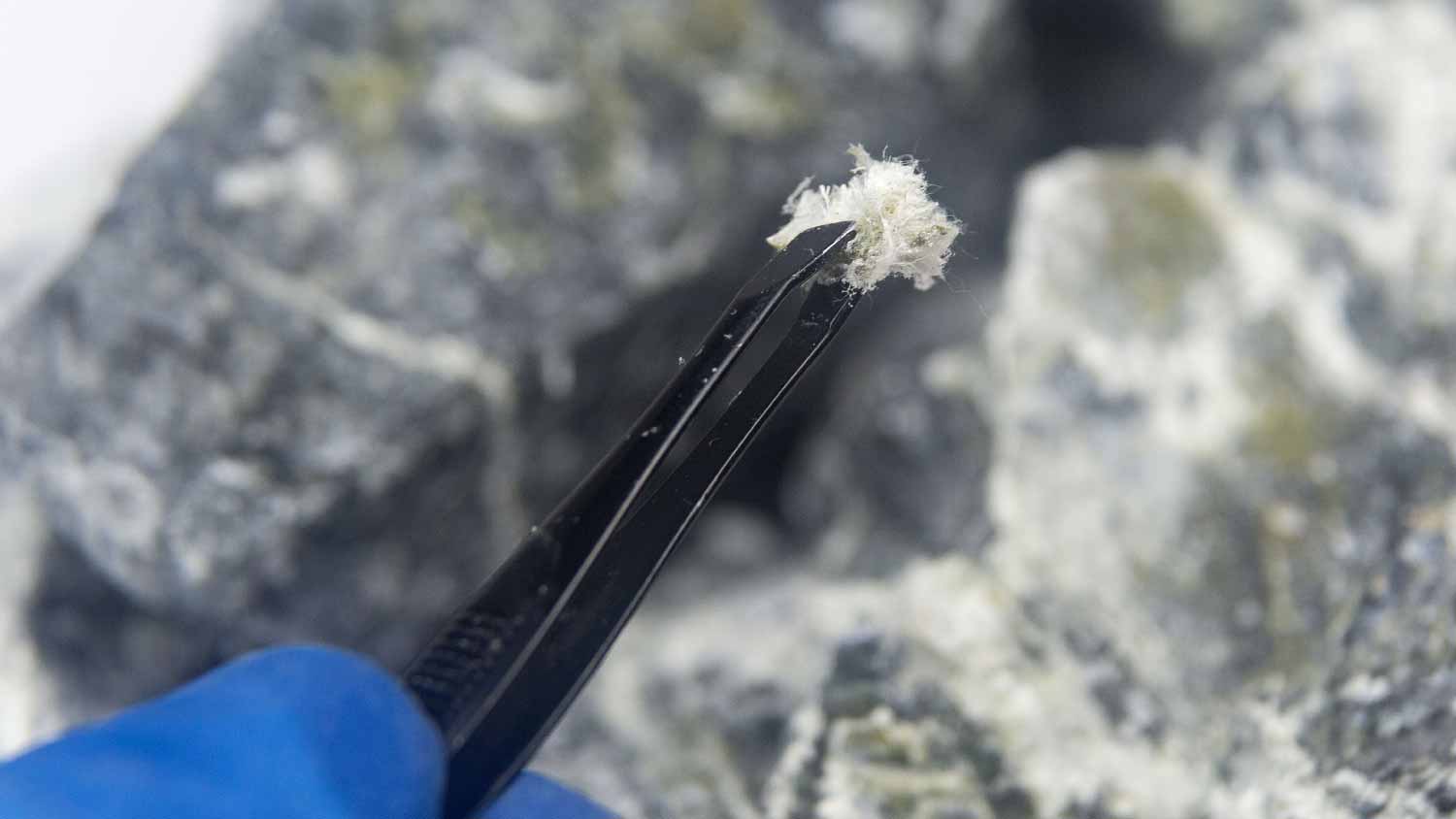
What does asbestos look like? It may be harder to spot asbestos than you think. Read on to learn more about this invisible home hazard.
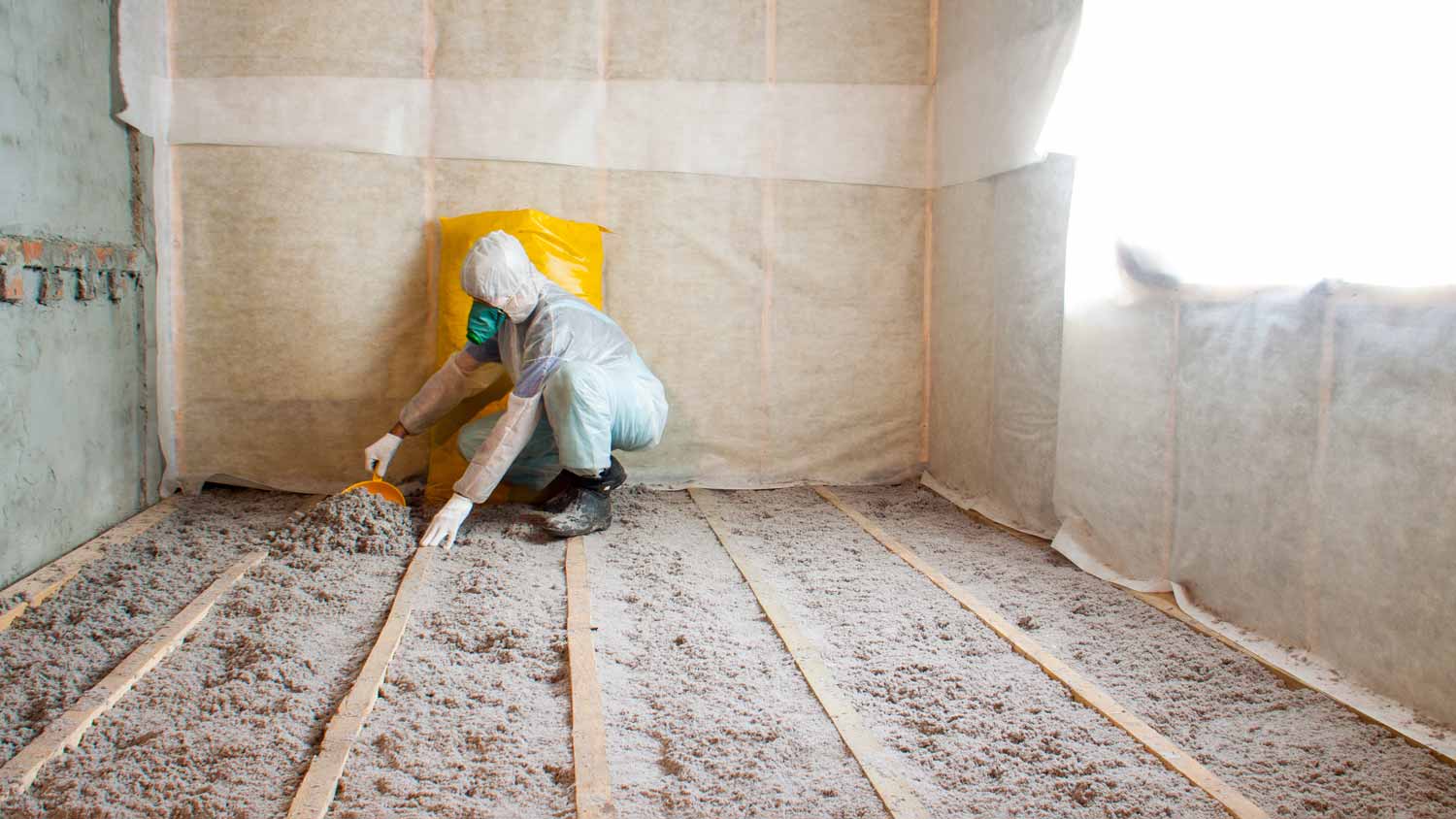
What's lurking behind your home's walls? Learn how to tell the difference between asbestos and cellulose insulation in this guide.
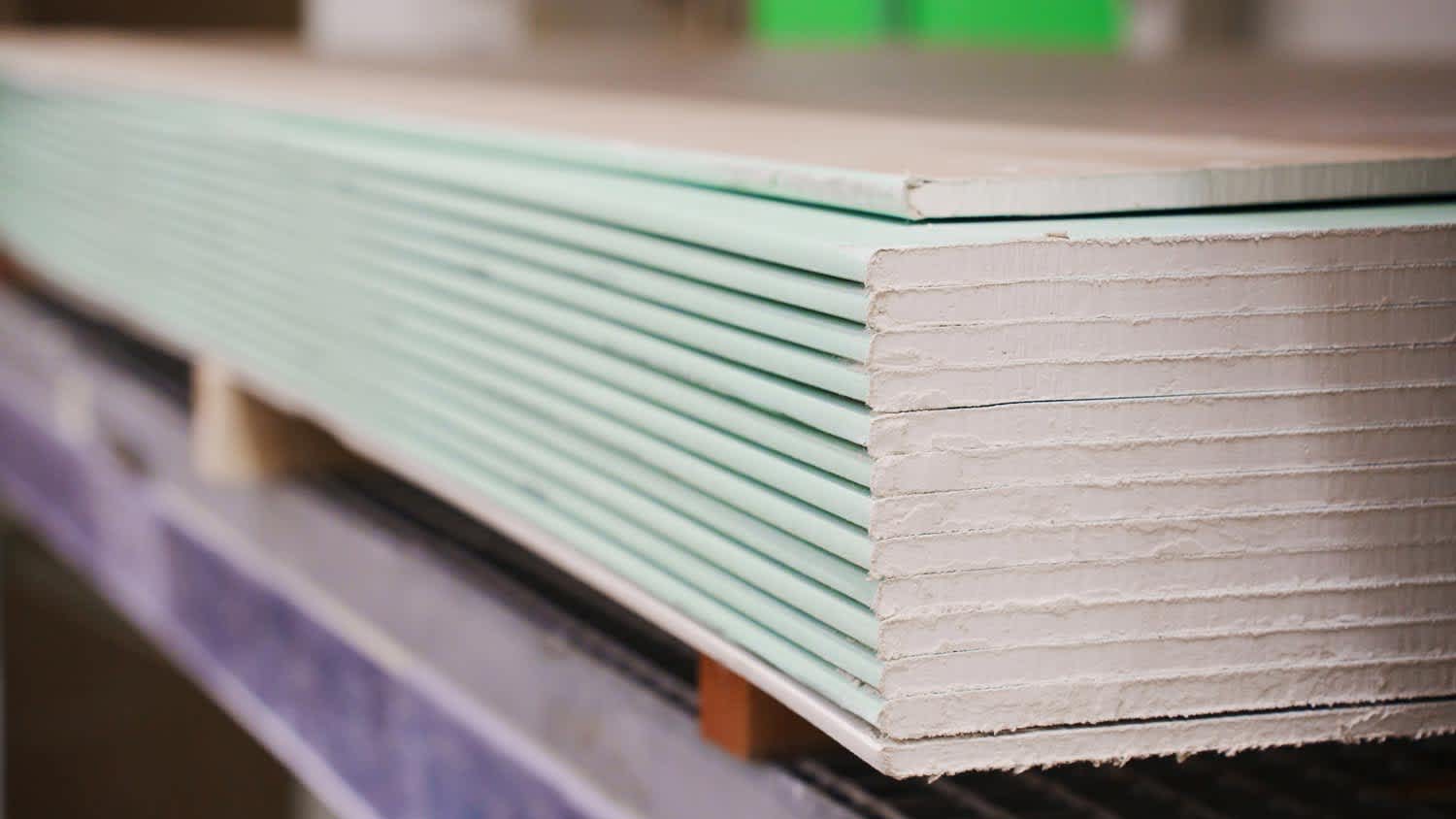
What does asbestos in drywall look like? You can’t see it without a microscope, but these common signs may mean asbestos is present.
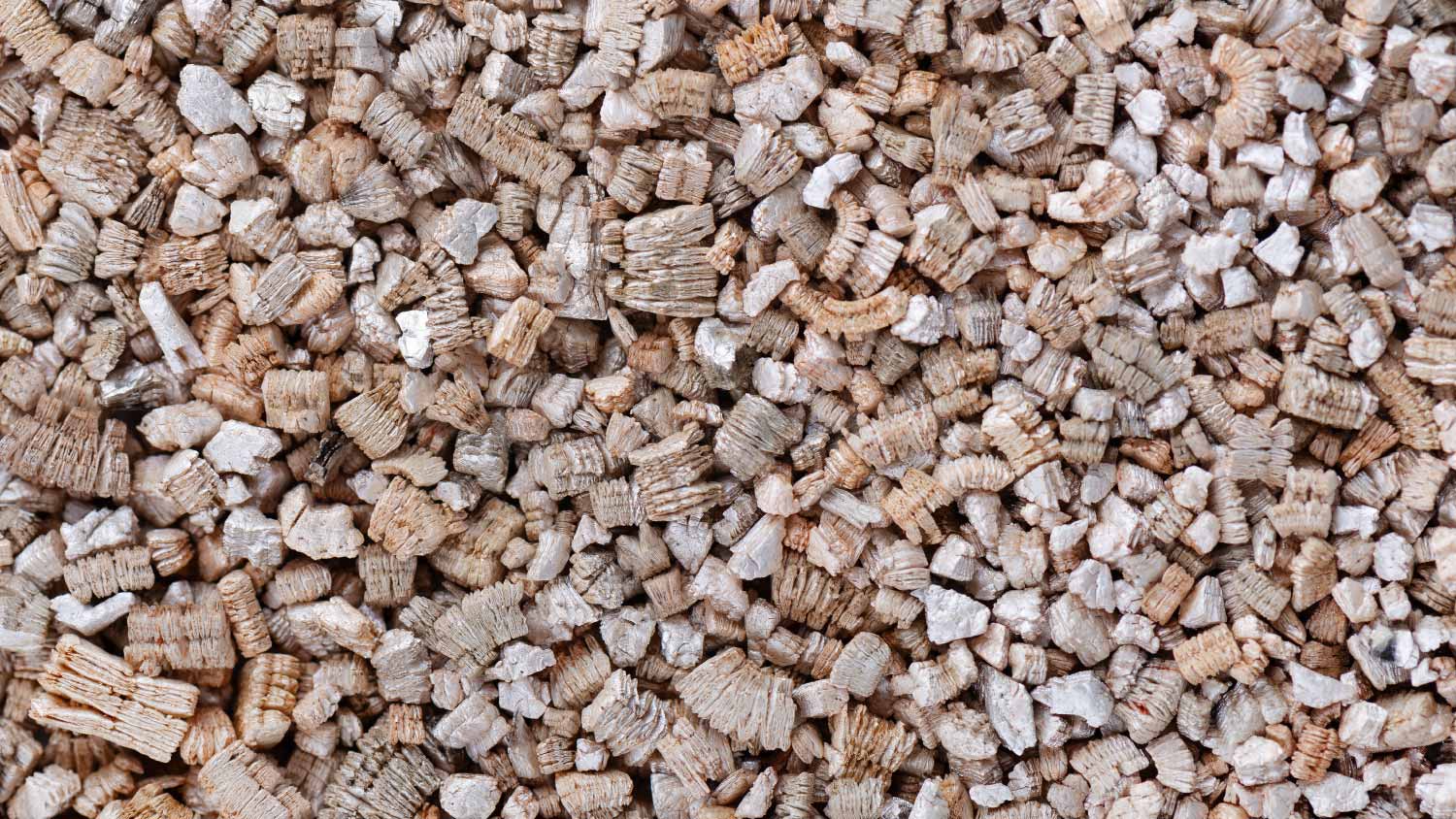
What is vermiculite insulation? It is a natural mineral used previously as pour-in attic insulation that needs careful handling because it may contain asbestos.