
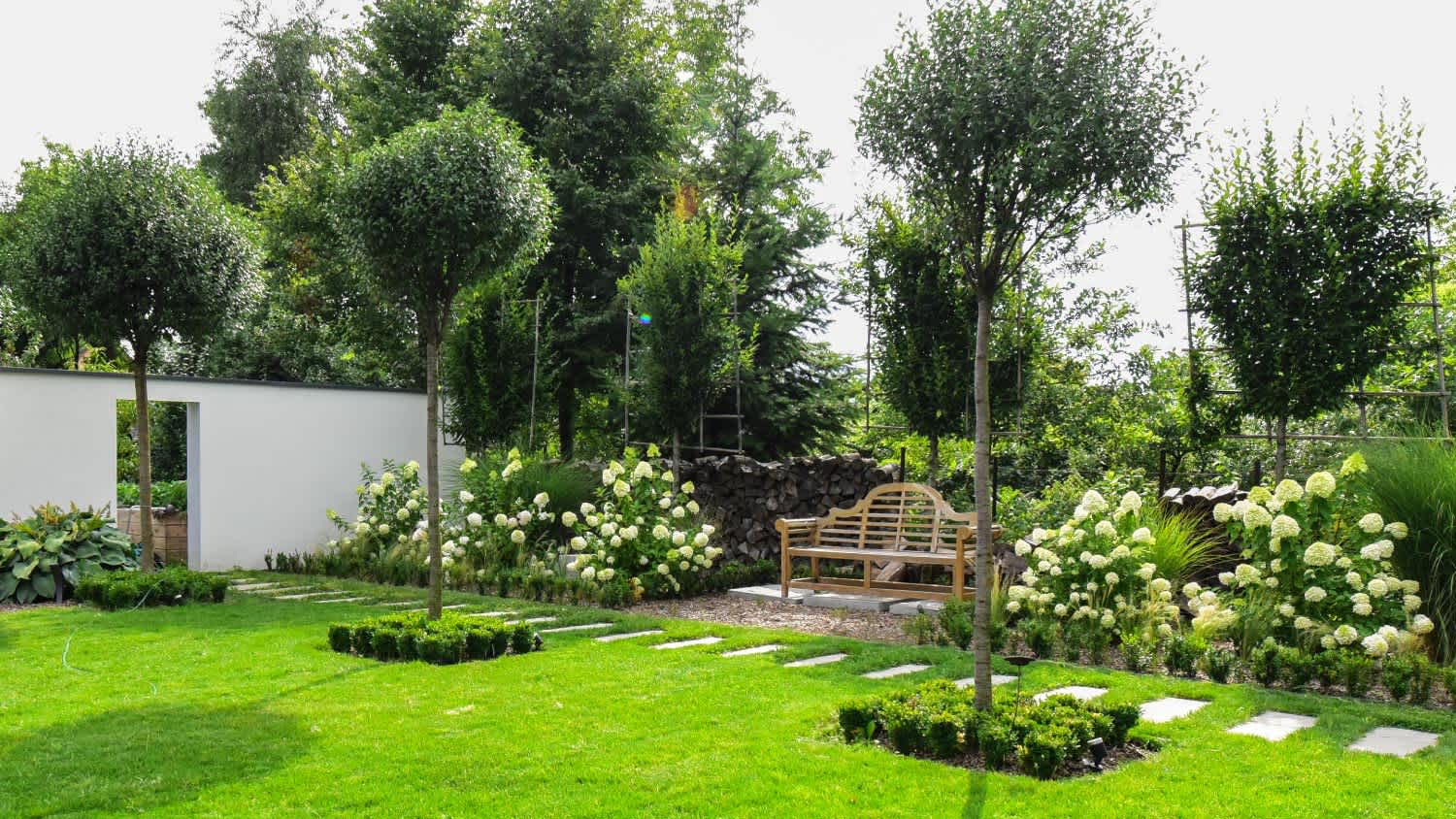
Moving your favorite tree isn’t exactly a small task, so we’ll break down some common tree transplanting costs so you can be prepared.
Trees tower above the rest when it comes to benefiting the planet

Trees provide the benefits of lowering your energy costs by up to 25% when you position them strategically for shade and wind protection.
Tree benefits extend to wildlife by offering food sources, nesting sites, shelter from predators, and cool water sources for many different animal species.
Trees improve your soil quality by controlling erosion, filtering pollutants, removing heavy metals through phytoremediation, and enriching the ground with nutrients and organic matter.
Hiring a local tree planting service professional helps you choose the right tree species and placement for maximum environmental and energy benefits on your property.
Trees are perfect for relaxing in a hammock or enjoying the changing seasons, but calming foliage isn’t the only reason to be grateful for trees. Trees impact our environment in ways that help keep our planet healthy and beautiful. Here are six ways trees benefit the earth.

You can have your cake and eat it when you plant trees in your yard. Not only does planting trees make your yard look nice, but it also helps lower your energy costs. The U.S. Department of Energy states that strategically positioning trees in your yard could save you as much as 25% of your energy consumption.
To put that in a wide-scale perspective, research by the U.S. Department of Agriculture (USDA) and affiliated partners shows that effective tree planting can save $7.8 billion annually in urban areas, with another $3.9 billion saved from reduced power plant emissions.
Trees lower your energy bills in several ways:
Shade from trees reduces the need for cranking the AC in the summer.
The shade that covers your AC also keeps the unit cooler, allowing the system to run more efficiently.
Trees block racing winds from damaging your HVAC system, which can make it work harder to regulate your home’s temperatures.
Fish can’t climb trees, but that doesn’t mean trees don’t play a vital role in protecting them and other species from the elements and natural predators.
An entire novel could be written on the ways that trees support wildlife, but to keep it short and sweet, here are a few facts on how trees help keep the animal kingdom thriving:
Serve as a food source for pollinators and other animals
Provide a place to nest for birds, squirrels, raccoons, and other critters
Serve as a source of shelter for many different animals
Provide animals with cool water sources on hot summer days
Create a safe haven free of traffic noise and light pollution
Provide shade for animals in hot climates
The next time you take a deep breath, thank a tree. Trees are vital to our clean air supply because they absorb carbon dioxide and release fresh, clean oxygen into the air. Just like how trees pull heavy metals out of the soil, trees also intercept and absorb pollutants like carbon monoxide, sulfur dioxide, and nitrogen dioxide.
According to the USDA, a single mature and leafy tree may be able to produce enough oxygen to provide enough oxygen for four people in a given day, so imagine how beneficial it would be if everyone planted trees in their yards.

When you plant a tree, you’re also investing in better soil quality for your property. Trees aid in soil conditions in more ways than you might think, though, which is just another reason why you should be grateful for trees.
Check out the following impacts trees have on the ground:
Trees help control soil erosion by preventing water runoff and physically securing soil and plants through their elaborate root systems. Their canopies also protect the ground from damage due to plastering rain, hail, and snow.
Trees filter sewage and reduce the effects of animal waste and roadside spills.
Through phytoremediation, trees help remove, break down, and clean up heavy metals from the soil and groundwater.
Trees hold onto water in the ground, which in turn nourishes plants and microorganisms.
Trees provide habitats for bacteria, fungi, and insects that enrich the soil.
Trees absorb nutrients deep into the ground and release those nutrients through their leaves come fall.
Trees encourage organic decay of woodland flora and fauna, helping to restore the soil.
The real superheroes of the planet don’t have capes—they have leaves and needles! While trees get the biggest reputation for providing us with oxygen and absorbing carbon dioxide, the truth is that trees do so much more, especially when it comes to healthy water sources.
Here’s how trees protect our watersheds, bodies of water, and surrounding land:
Trees support water availability by preventing fast evaporation in arid or drought-prone climates.
Trees stabilize rivers, ponds, and lakes with their root systems by keeping the sediment from washing away.
Like giant umbrellas, trees prevent water runoff by shielding the ground from torrential downpours and enabling water to cling to leaves and evaporate rather than land on soaked soil.
Root systems slow runoff and absorb excess water.
Trees shade bodies of water from direct heat, which keeps it cooler and protects the animals that live in it while better hydrating the animals that rely on drinking water from those sources.
With the threat of global warming, it’s important now more than ever to plant trees. This is because trees provide shade from the sun and partake in a process called evapotranspiration, which is a key part of the water cycle.
Though it may sound like a major tongue-twister, evapotranspiration and shade are a powerful duo that can reduce temperatures on the hottest summer days by as much as 9 degrees Fahrenheit.
Trees offer many benefits to the environment, but they also help you out by providing seclusion, lowering noise pollution, and boosting your home’s value.
In fact, buyers spend more on a home with mature trees. Large trees add around 3% to 15% to a residential property’s value, according to research conducted by the University of Washington. It’s almost like home buyers know how much they’ll save by having trees on their property.
So hire a landscaper to help figure out the best ways to plant trees in your yard. Doing so will help out the environment—and your wallet.
This service was great. My air conditioner went out during the heat spell that we had. My husband has health issues and they came out that night and at 9:30pm the air conditioner was fixed and running. We are sooo very thankful, this is the company I will be using from now on and would...
 Mr. Mechanical Ohio
One of my old tall evergreen trees was suddenly leaning toward the busy street in front of my house. I submitted a request for an emergency tree inspection, and Alejandro, owner of Cajete Tree Service, contacted me immediately and arrived to look at it just 20 minutes later. We agreed the...
 Cajete Tree Service LLC
1 tree was cut down and 5 others including a large willow tree were trimmed. The Grant Tree Service men were professional and cleaned up afterwards. The cost of the 6 trees were affordable. I am very happy with the results. I would hire them again.
 Grants Tree Service
D1 Roofing delivers outstanding service from beginning to end, backed by a strong warranty and expert teams. I highly recommend them for their excellence in meeting and surpassing expectations with unmatched communication. Choosing D1 Roofing was flawless decision
 Division 1 Roofing LLC
Promptly arrived for quoting! Demonstrated superb customer service, affordable pricing, and completed service swiftly! Looking forward to the spring for our service!
 All Star Paving and Sealing
Seth was very professional, prompt in responding to queries about the work required , gave sincere advice as to what would be best for tree trimming and did the job timely.
Ace Fireplace Services' chimney sweep service is truly exceptional. They used advanced technology to ensure a thorough cleaning process, and my chimney has never looked better. I highly recommend their services.
 Ace Fireplace Services
I definitely recommend Ramonaâ s cleaning service! I have booked services with her many times and she arrives on time, ready to work and provides a great service.
 Your Cleaning Solutions LLC
Webb â s was priced well, flexible on scheduling, great with communication, and detailed in their work. Iâ ll definitely use their services again.
 Webbs Pressure and Paint LLC
Great tree company, very professional and honest. Glad we found them, they had the best pricing
From average costs to expert advice, get all the answers you need to get your job done.
Moving your favorite tree isn’t exactly a small task, so we’ll break down some common tree transplanting costs so you can be prepared.
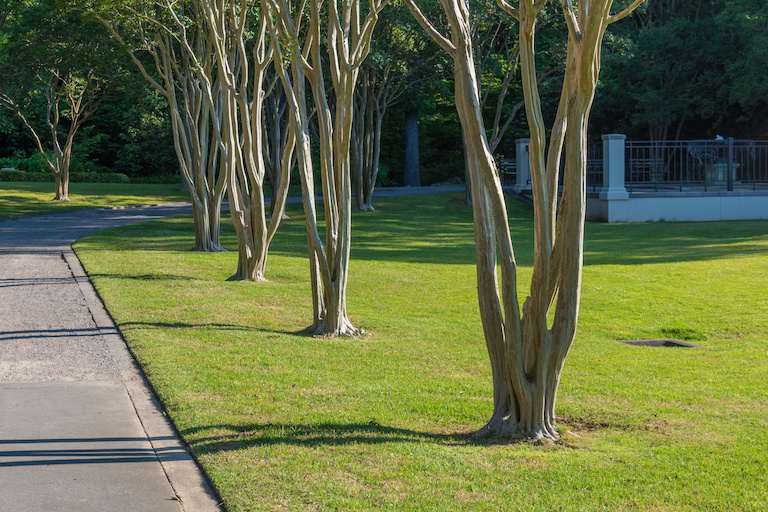
Find out how much it costs to plant a tree based on the number of trees, their size, where you want to plant them, and DIY versus professional costs.

Trees absorb carbon dioxide, and fight pollution and global warming, not to mention create oxygen, something every living thing needs to survive.

They say to plant a tree, but not all trees are alike. Check out these seven reasons why you should not plant a tree before you make a costly mistake.
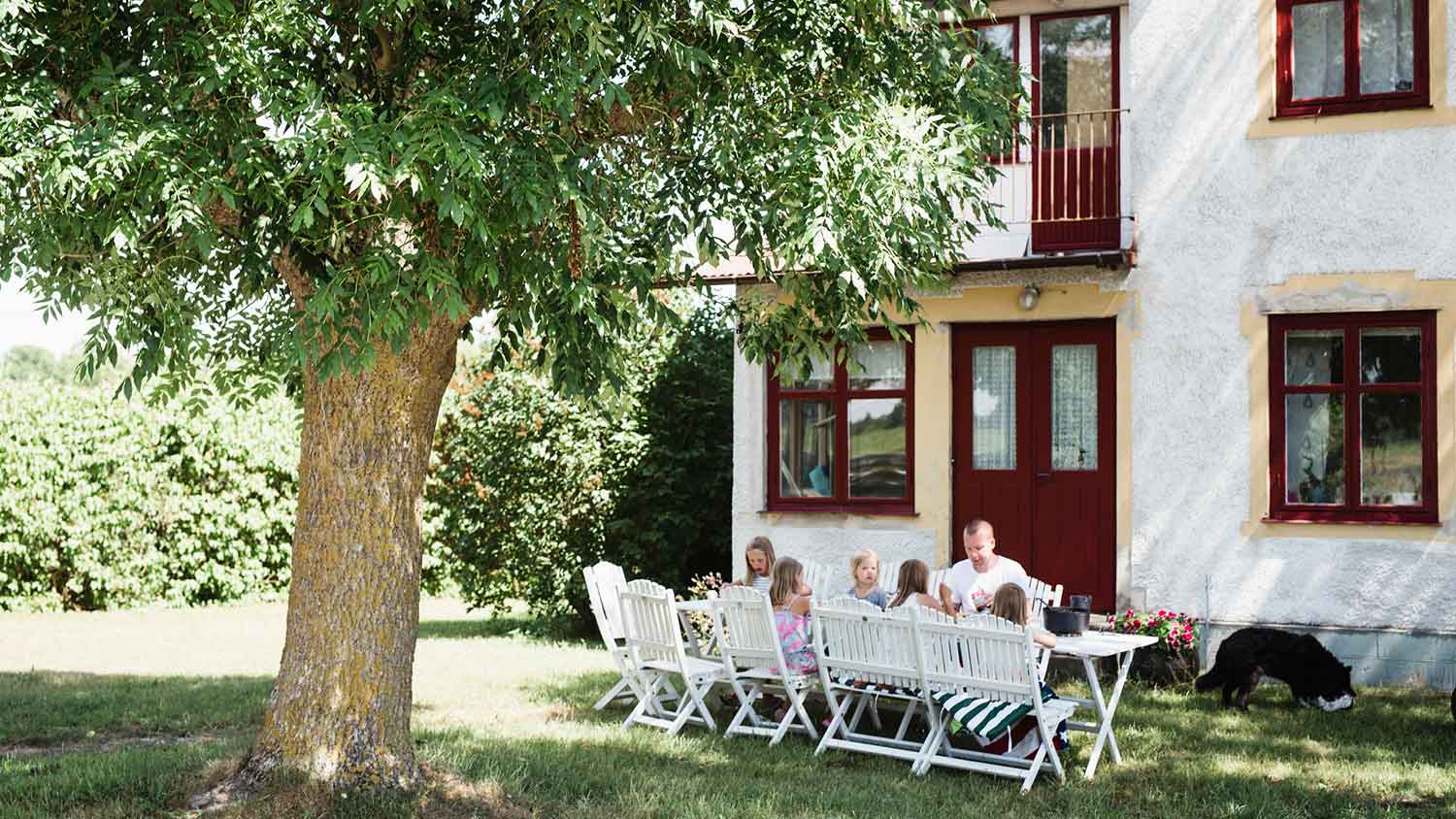
Why do you prune trees? It’s actually one of the most important aspects of tree care, and not just because it promotes new growth.
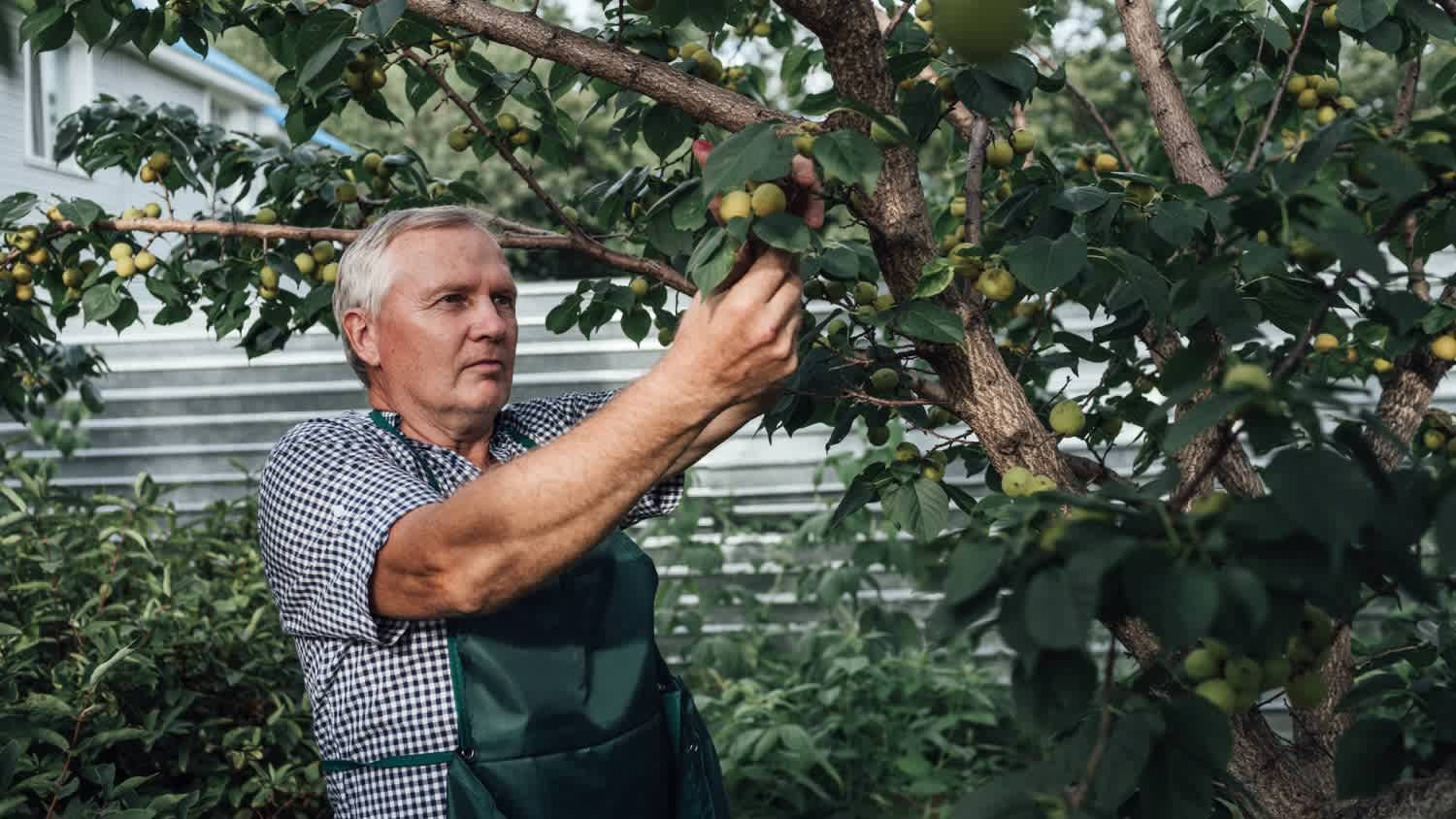
Trees add beauty to any property, but the right ones could add value, too. Here’s a guide to what types of trees can improve your home’s curb appeal.