

Top-rated drywall pros.

Get matched with top drywall pros in Hometown, WV

Enter your zip and get matched with up to 5 pros

Need a pro for your drywall service project in Hometown, WV?

Select your specific project to find the pro for you.

TRUSTED BY HOMETOWN, WV HOMEOWNERS

  • Average homeowner rating star icon4.2
    Average homeowner rating
  • Verified reviews icon13
    Verified drywall services reviews

Find Drywall pros in Hometown

American Drywall
4.9(
17
)
Drywall - RepairDrywall - Repair - For Business

Serving Hometown, WV and surrounding areas

Approved

In business since 2010

Free estimates

Small jobs welcome

"Matt repaired a few areas of drywall in our ceiling that had been damaged by a leak and along the edges of some walls. He arrived on time, every time. The care he took with keeping the dust and debris down was outstanding. His repair looked excellent as well. I wouldn’t hesitate calling him again."
Response time2 days
68 neighbors recently requested a quote
Recommended by100%of homeowners

Avatar for Coal River Properties, LLC
Coal River Properties, LLC
5.0(
17
)
Drywall - Repair

Serving Hometown, WV and surrounding areas

Approved

In business since 2016

Free estimates

Credit card accepted

"Michael Roderick from coal river properties was the professional who took care of our home repair needs. We had a bathroom leak that caused drywall damage. We were contacted within a few hours after making an inquiry on home advisor and within 2 days Mr. Roderick was on the job. He assessed the situation, gave a very reasonable estimate and made the appropriate repairs in an efficient manner with meticulous craftsmanship. I’d highly recommend."
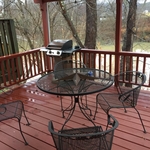
Back Porch at 32 Geronimo Drive, St. Albans, WV
New Tile floor
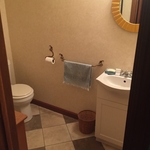
Upstairs bathroom ar 32 Geronimo Dr.
Stairway entry
Kitchen

+6

Response time5 days
Recommended by100%of homeowners
Avatar for Cantrell Painting
Cantrell Painting
4.3(
54
)
Drywall - Repair

Serving Hometown, WV and surrounding areas

Approved

In business since 1987

Free estimates

Warranties offered

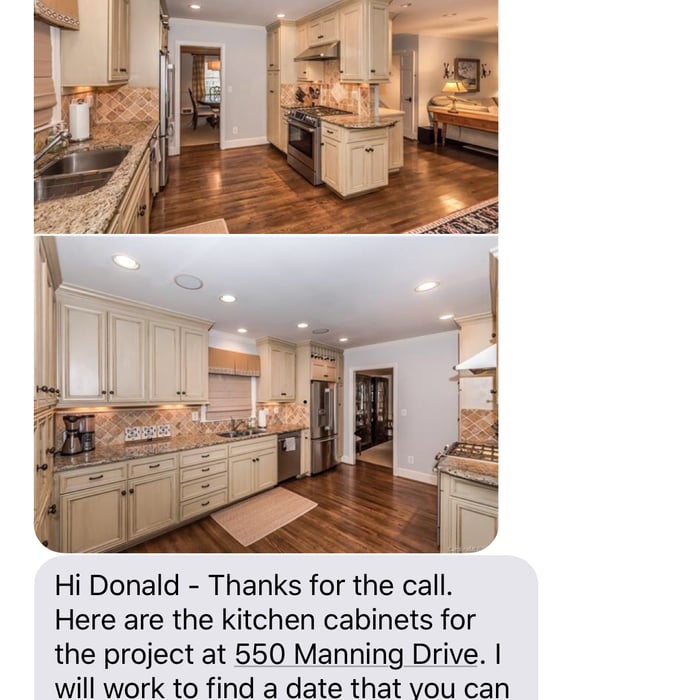
"I highly recommend Donald of Cantrell Painting for your painting and drywall needs. He always shows up on time and is a man of his word. I really liked how he explained how he would do the job and the way he communicated throughout the project. He has great attention to detail and is a stickler for cleaning up after his work. I will be hiring Donald again for future projects including solid wood door staining, inside and outside painting, and refinishing kitchen cabinets. Excellent, excellent work."
7 day Advent Church
Many projects
Many projects
Many projects
Many projects

+26

Response time5 days
5 neighbors recently requested a quote
Recommended by95%of homeowners
Hall’s Home Solutions LLC
New to Angi
Drywall - Repair

Serving Hometown, WV and surrounding areas

Approved

Free estimates

Small jobs welcome

Offers commercial services

Hall’s Home Solutions LLC is built on reliability, craftsmanship, and genuine care for the homes in our community. Our customers know they can count on us for honest communication, quality work, and a professional experience from start to finish. Whether it’s a small repair or a bigger project, we shows up with skill, integrity, and the kind of pride in workmanship that keeps people calling back.

...
Showing 1-10 of 100
Drywall questions, answered by experts

Although they have similar applications, spackle and joint compound are not the same. Their primary differences lie in their composition, consistency, and ideal use cases.

Spackle is composed of gypsum and binding agents, making it thicker than joint compound. It dries quickly and is easy to sand, which makes it ideal for small wall repair projects like filling nail holes or patching minor damage.

Joint compound, also known as drywall mud, consists of limestone and gypsum. It is primarily used for large-scale projects, such as taping and finishing the seams on newly installed drywall. It tends to shrink more than spackle and can be more difficult to spread.

While both products can be used to fill small depressions and cracks, spackle cannot replace joint compound for taping and mudding new drywall. Conversely, you can often use joint compound for small patching jobs typically done with spackle.

While certain types of textured walls can seem dated (looking at you, popcorn), textured walls are a common sight in both older and more modern homes. The main reason textured walls may be here to stay is that they are an excellent way to hide minor imperfections on a wall and give it a finished appearance. Some homeowners think a coat of paint on drywall is a bit industrial-looking. However, that look works perfectly in modern home design

You should start looking for a drywall installer by choosing a local company with positive online reviews and ratings with the Better Business Bureau (BBB). Next, confirm that the professional is properly licensed using Angi’s contractor licensing tool, and ask the installer if they are fully insured. It’s a good idea to ask for recent customer references and call them to get their honest opinion about the contractor and their work. You can also ask the installer if they guarantee their work or provide a workmanship warranty.

Depending on the place where the cutting error occurred, you may be able to fix it. Learning how to patch a hole in drywall is challenging, but if you can tape and mud drywall, you can do it. Having said that, patching is time consuming. Early in the installation process, you may find that it’s easier and far less time consuming to just start over with a new sheet of drywall, cutting a new hole in the right spot. You may be able to use part of the incorrectly cut piece elsewhere, so it’s not completely wasted.

The two most common drywall thicknesses for ceilings are 1/2-inch and 5/8-inch. For most standard residential applications, 1/2-inch drywall is sufficient and widely used. It provides adequate support and is lighter and easier to handle during installation compared to thicker sheets. However, 5/8-inch drywall is often used for specific cases where additional benefits are needed. It is heavier but provides superior sound dampening and fire resistance. You should consider using 5/8-inch drywall for ceilings in commercial buildings, between a garage and a living space, or above a finished basement to meet building codes or for enhanced soundproofing.

The Hometown, WV homeowners’ guide to drywall services

From average costs to expert advice, get all the answers you need to get your job done.