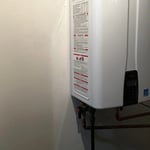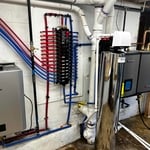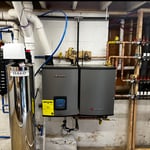




"I had a water leak thatI originally thought was a water line break beneath my house. Jarred inspected the crawl space and found it to be a HVAC issue instead. He and his brother installed a new unit for me. They were very professional, did an excellent job installing the unit and cleaned up in my house around the area afterward. I am very pleased with their work and would highly recommend them for any type of plumbing or HVAC issue."
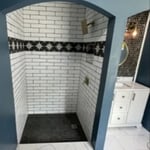
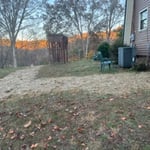
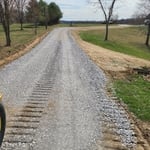
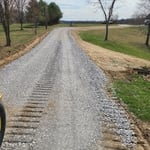
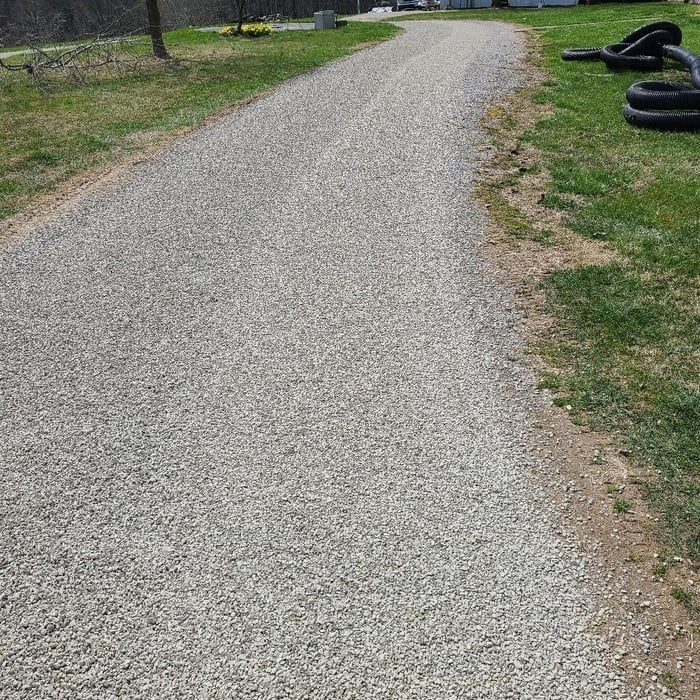
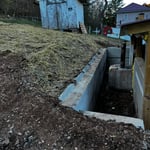
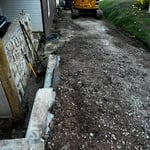
"Everything went great! Professional team, great knowledge, easy to work with, explained what happening and why. Work looked great afterwards and driveway functioning better than expected after recent heavy rains."
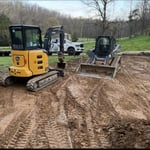
"We called so many plumbers and one “professional” company showed up and didn’t even bring exploratory tools. We found Adkins and they showed up with an excavator and shovels ready to find the problem in this frigid cold. They gave us a quote and started working at 4pm and stayed until 8pm to find the source of the sewer leak. They gave us a plan to fix it and a full price to which we agreed and they left for the evening to get parts and return the next day to finish the job. Couldn’t ask for a better group of guys. They were fully committed to fixing the problem and they even listened to us when we told them where and what we thought it might be. (If you’re a homeowner you know how that usually goes) They were a pleasure to work with on this repair and we will be calling them back to tackle a few more building projects. I might also add they didn’t try to gouge us and charge us for a complete sewer pipe install, like the big plumbing company tried to do."

Excavating Contractors Inc. professionals have over 60 years of hands on experience, to provide innovative ideas and suggestions tailored to your projects. Our services are customized to your individual needs, paying close attention to the details of each project that we are involved with. Please feel free to contact us today!

Professional installers often include a deep layer of crushed gravel under permeable pavers to allow more runoff to soak through into the soil below. Many installations will include multiple layers of gravel, with coarser aggregate at the base and finer aggregate that sits on top of that bottom layer. Above the gravel, you’ll often find coarse sand that helps reduce paver shifting over time. Some permeable paver designs include a water collection system set into the gravel layer to route runoff to a safe area for disposal.
Most residential basements are 8 to 10 feet deep. You can dig deeper depending on building codes, but it does become more difficult. You’ll likely need to install stronger foundation walls and additional supports to handle the increased load. Depending on the water table, you may also need a water management system. Clay soil can support a deeper foundation than sandy soil. A structural engineer will be able to tell you the maximum, feasible depth.
Some two-in-one tools and machines do both jobs, and those could be the right solution for smaller residential projects. However, the phrase “use the right tool for the job” definitely applies to digging. For the best results, get two separate tools for your trenching and landscape edging projects or call a pro to take care of everything for you.
The best method for digging a trench depends on the scope of the project. For a short, shallow trench (less than 2 feet deep) in light, soft soil, digging by hand may be sufficient. However, digging by hand is labor-intensive, so consider the effort required. A machine trencher is the better option for longer trenches (over 100 feet), deeper ones, or when dealing with difficult soil conditions, such as rocky or hard ground, or obstructions like tree roots. A machine can save significant time and energy in these situations.
Errors in site preparation can lead to structural failures or appear costly midway. Professionals ensure detailed, reliable home base development layouts.
The Point Pleasant, WV homeowners’ guide to excavation services
From average costs to expert advice, get all the answers you need to get your job done.
Excavation costs $1,500 to $6,300 for most residential projects—but it depends on factors like the size of the area. This guide will help you plan a budget.
You can't have an in-ground pool without digging into the ground. How much does pool excavation cost, and can you take it on yourself? Our guide explains.
Picking the right pro can make or break your project. Learn how to hire an excavation pro with the qualifications and skillset to do the job efficiently.