



Top-rated plaster repair specialists.

Get matched with top plaster repair specialists in Plain, WI

Enter your zip and get matched with up to 5 pros

Need a pro for your plaster repair project in Plain, WI?

Select your specific project to find the pro for you.

Find Plaster repair specialists in Plain

Avatar for Assured Quality Drywall & Painting
Assured Quality Drywall & Painting
5.0(
4
)
Plaster - InstallPlaster - Repair

Serving Plain, WI and surrounding areas

Free estimates

Emergency services offered

Warranties offered

"Assured quality did an amazing job with remodeling my home. The original work in the home was terrible from the paint to the trim. Assured quality made sure I noticed the difference and was so detail oriented! I will be sure to call Juan again if I ever need any further renovations done in my house!"
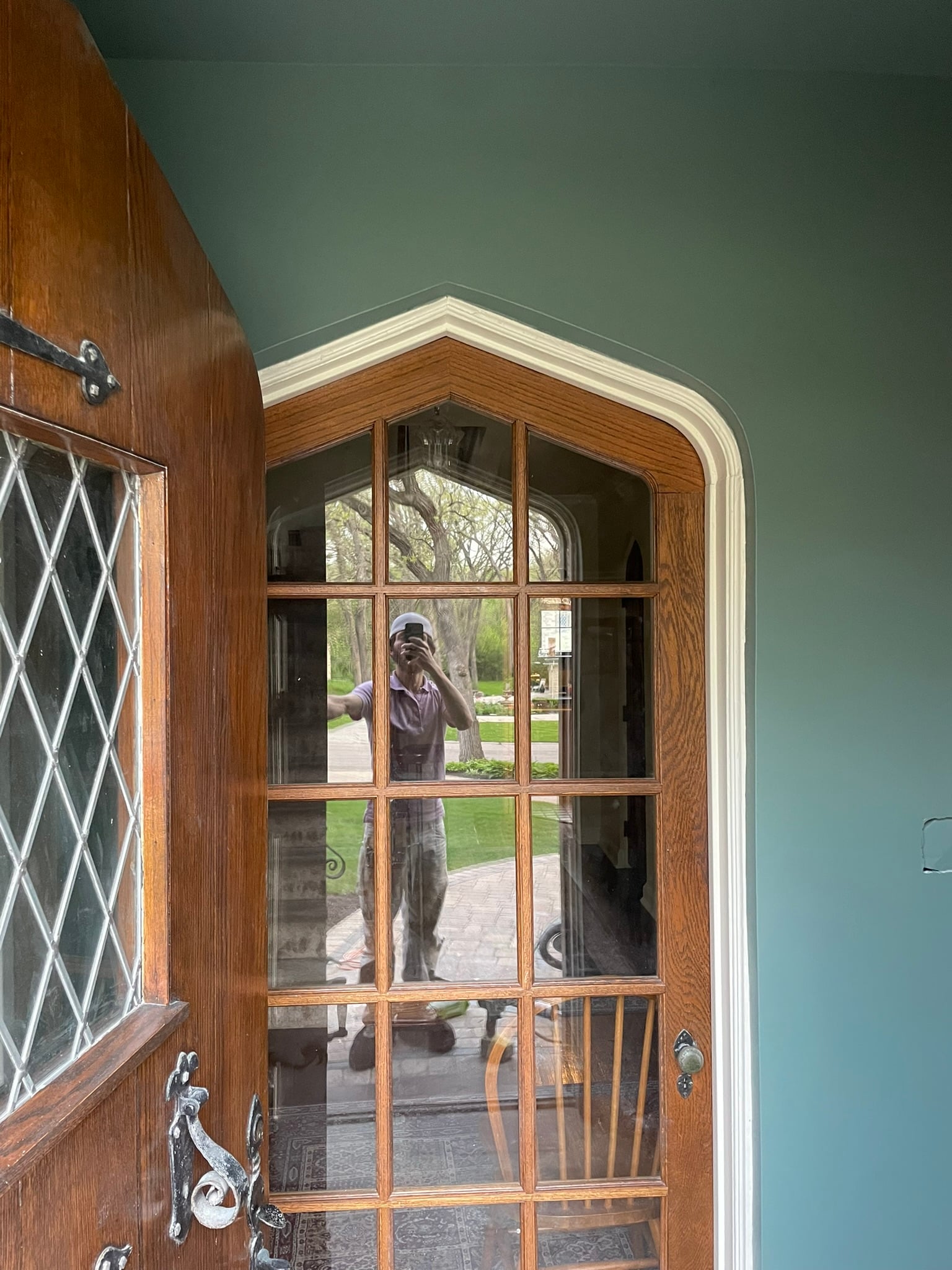
Juan on the tall boys .
New construction/production

+25

Recommended by100%of homeowners
Plaster Repair questions, answered by experts

Although they have similar applications, spackle and joint compound are not the same. Their primary differences lie in their composition, consistency, and ideal use cases.

Spackle is composed of gypsum and binding agents, making it thicker than joint compound. It dries quickly and is easy to sand, which makes it ideal for small wall repair projects like filling nail holes or patching minor damage.

Joint compound, also known as drywall mud, consists of limestone and gypsum. It is primarily used for large-scale projects, such as taping and finishing the seams on newly installed drywall. It tends to shrink more than spackle and can be more difficult to spread.

While both products can be used to fill small depressions and cracks, spackle cannot replace joint compound for taping and mudding new drywall. Conversely, you can often use joint compound for small patching jobs typically done with spackle.

The tool you use to sand plaster will depend on the size of the project. If you’re just working on a small section of your wall to get rid of an uneven spot on the surface, hand-sanding might work. However, for larger projects, a drywall sander can make a huge difference when it comes to both time and elbow grease—and an orbital sander can help for detailed areas such as around ceiling fans.

It depends on the construction of your wall. Most handypeople can fix small holes in drywall. If your wall is plaster or brick, more significant damage may require a drywall contractor or a mason. Hiring a handyperson costs less than a more specialized type of contractor, but they’re not trained in all types of wall repairs.

On average, repairing a ceiling costs anywhere from $450 to $1,750. However, there are many variables that can impact the price of this project. For example, the type of ceiling material, type and extent of the damage, and local labor rates all affect your costs. Holes and cracks are less expensive to fix, while structural issues and water damage are pricier problems.

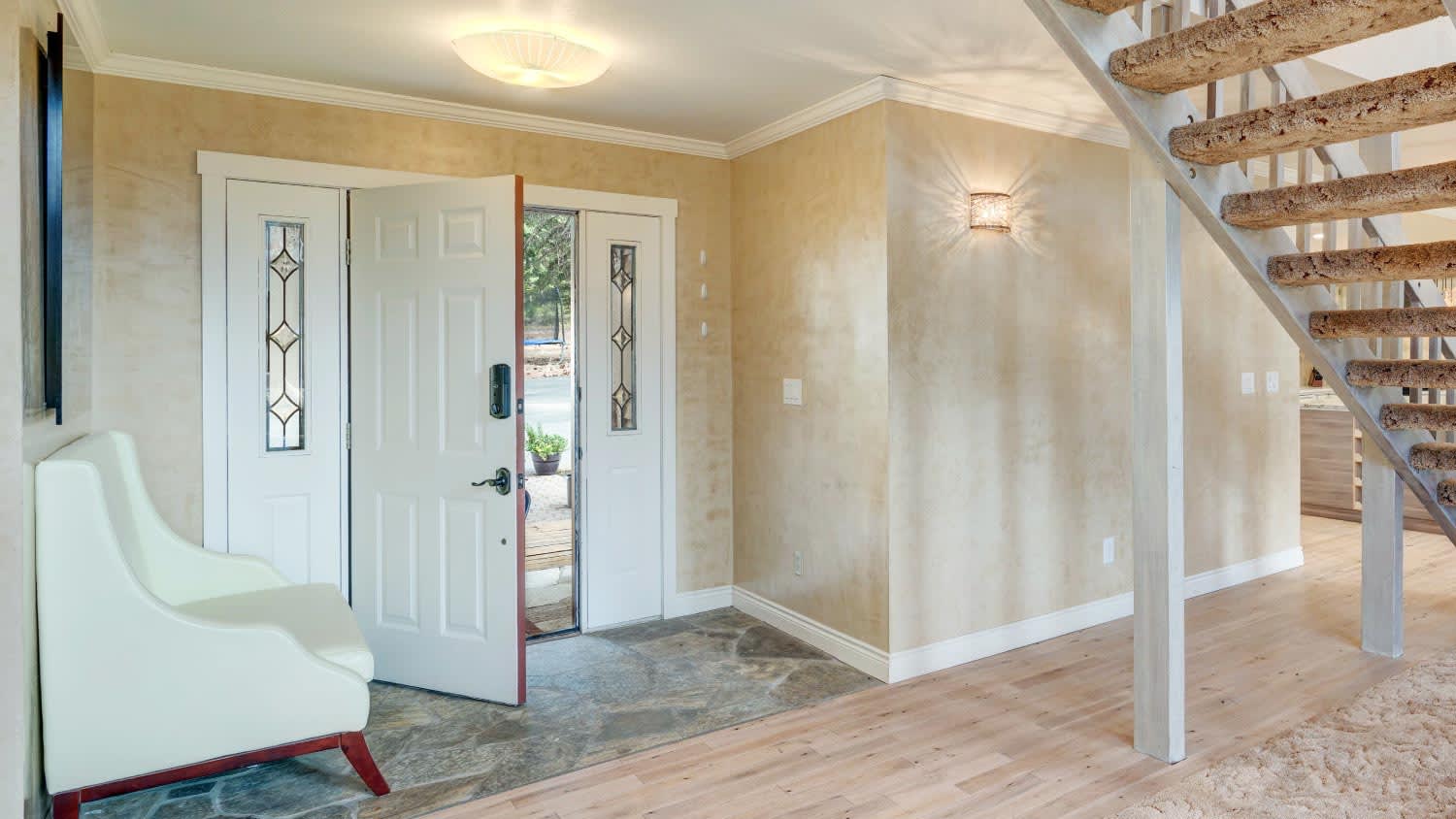
The allure of Venetian plaster lies in its unique appearance and individual characteristics in a home. It’s sophisticated and multidimensional and has a rich history dating back to Ancient Rome. This type of plaster finish is durable and represents a style of luxury that has been practiced for thousands of years. Many designers pair the texture of Venetian plaster with modern furnishings, resulting in an elegant and refined aesthetic.

The Plain, WI homeowners’ guide to plaster repairs

From average costs to expert advice, get all the answers you need to get your job done.