



Top-rated radon detection and reduction specialists.

Get matched with top radon detection and reduction specialists in De Pere, WI

Enter your zip and get matched with up to 5 pros

Need a pro for your radon detection and reduction project in De Pere, WI?

Select your specific project to find the pro for you.

Find Radon detection and reduction specialists in De Pere

Avatar for Lifetime Home Services
Lifetime Home Services
4.9(
110
)
Radon Gas - AbatementRadon Gas - Testing

Serving De Pere, WI and surrounding areas

Approved

In business since 1998

Free estimates

Emergency services offered

"It went great. I highly recommend them. They were a pleasure to deal with. The person that came out for the estimate answered all of my questions. The estimate was fair. The work was done on schedule and with no problem. At completion, everything was explained to me. I used their electrician which worked out fine. After completion the radon test showed that my level was now undetectable."
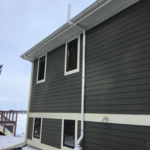
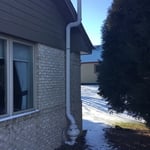
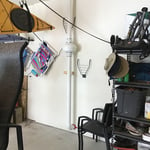
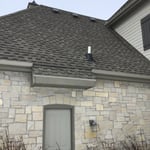
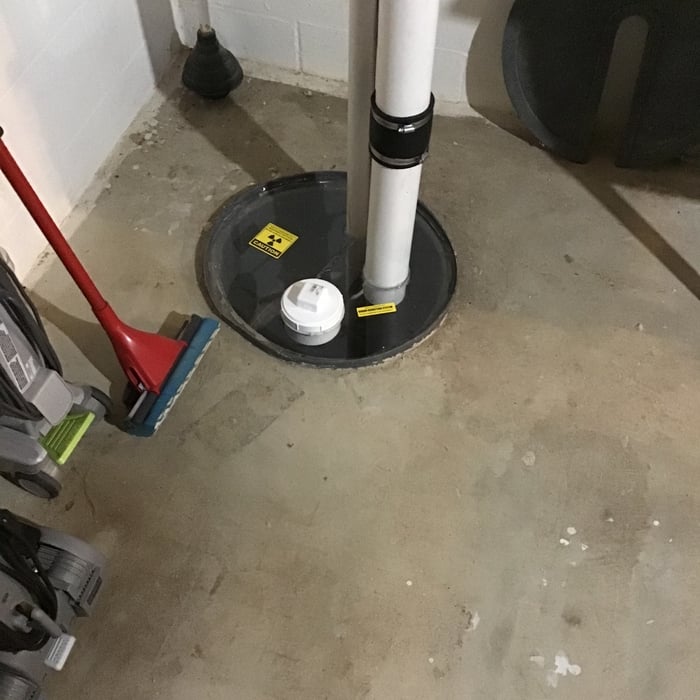
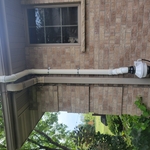
Additional Photos
Additional Photos
Additional Photos
Additional Photos
Additional Photos

+1

Response time2 days
Response rate100%
5 neighbors recently requested a quote
Avatar for Clare Home Inspection, LLC
Clare Home Inspection, LLC
4.9(
30
)
Radon Gas - Testing

Serving De Pere, WI and surrounding areas

In business since 2000

Free estimates

Credit card accepted

"Steve was very thorough and answered all of our questions. He tested things no other inspector we have had did, for example all the outlets. His report was sent to us quickly. He helped us decide which issues from the home inspection needed to be addressed right away and which could wait. He was clean and articulate. Very nice guy. Highly recommended."
Home Inspections
Response time3 hrs
Response rate100%
Recommended by100%of homeowners
Avatar for A-Max Home Inspections, LLC
A-Max Home Inspections, LLC
4.8(
21
)
Radon Gas - Testing

Serving De Pere, WI and surrounding areas

In business since 2014

"I met Ryan Amundson 2 yrs ago when my mom hired him to do a home inspection. Since then, my daughter, my son, and myself have all hired him to do home inspections on our new home purchases. He is AWESOME! Very professional! He is very thorough but still personal. Even when I interrupt him with my many questions, he is always willing to take time to explain things, show me items, and give me advise. His reports are easy to understand and always accompanied by great photos of any issues. I would highly recommend A-MAX and Ryan Amundson. You wonâ  t be sorry!"
Home Inspections Pics

+4

Recommended by100%of homeowners
Radon Detection and Reduction questions, answered by experts

While DIY testing is possible, abatement generally requires professional installation to ensure efficacy and meet safety standards.

The average radon mitigation system uses about 876 kWh of electricity per year, although the exact amount of electricity used will vary depending on the size of the radon fan. Once the system is installed, the annual increase to your energy bill could range from $30 to $300 per year, again depending on the size of the fan.

The lifespan of a radon mitigation system depends on the type of system and its maintenance. With proper care, a system can last for many decades. Passive systems tend to last longer as they have fewer components that require replacement. Active systems, which have more moving parts like fans, generally have a shorter lifespan. For instance, water filtration devices and active pressurization systems require more frequent maintenance. While the system as a whole is durable, the radon fan in an active system typically has a lifespan of 5 to 10 years and will need to be replaced. As long as the fan is working, the mitigation system should function correctly.

The fan that pulls the radon out of the air needs to run continuously, so you may see an increase in your electric bill once you install the mitigation system. Additionally, you may see an increase in your heating or cooling bills, as the fan can cause some loss of hot or cool air.

No level of radon is technically safe, but since it is naturally present everywhere, it is impossible to avoid entirely. The average radon level in homes across the United States is 1.3 picocuries per liter (pCi/L). The Environmental Protection Agency (EPA) recommends taking action to reduce radon levels if your home's test results are between 2 and 4 pCi/L or higher.

The De Pere, WI homeowners’ guide to radon detection and reduction services

From average costs to expert advice, get all the answers you need to get your job done.