
Top-rated septic tank pros.

Best septic tank pros near Kimberly, WI

Enter your zip and get matched with up to 5 pros

Need a pro for your septic tank service project in Kimberly, WI?

Select your specific project to find the pro for you.

Top-Rated Septic tank pros in Kimberly - Updated Nov 2026

Avatar for American Home Shield – Home Warranty
American Home Shield – Home Warranty
3.5(
5,689
)
Septic System - Install or ReplaceSeptic System - Install or Replace - For BusinessSeptic System - Repair+3 more

Serving Kimberly, WI and surrounding areas

In business since 1971

Credit card accepted

"The technician emptied the freezer, which was in the basement, to work on the part that needed repair. Then he neglected to put anything back into the freezer, including a turkey I had bought for Christmas and a rack of ribs. Two days after he left, I went out of town for two weeks. The turkey actually exploded and spewed its liquid all over everything, which had to be discarded. I let AHS know and they couldn't even bother to call me or follow up on this. I'm considering not renewing my contract with them because of the quality (or lack thereof) of many of the providers they send."

Additional Photos
Additional Photos
Additional Photos
Additional Photos
Additional Photos

+2

Recommended by65%of homeowners
Septic Tanks FAQs, answered by experts

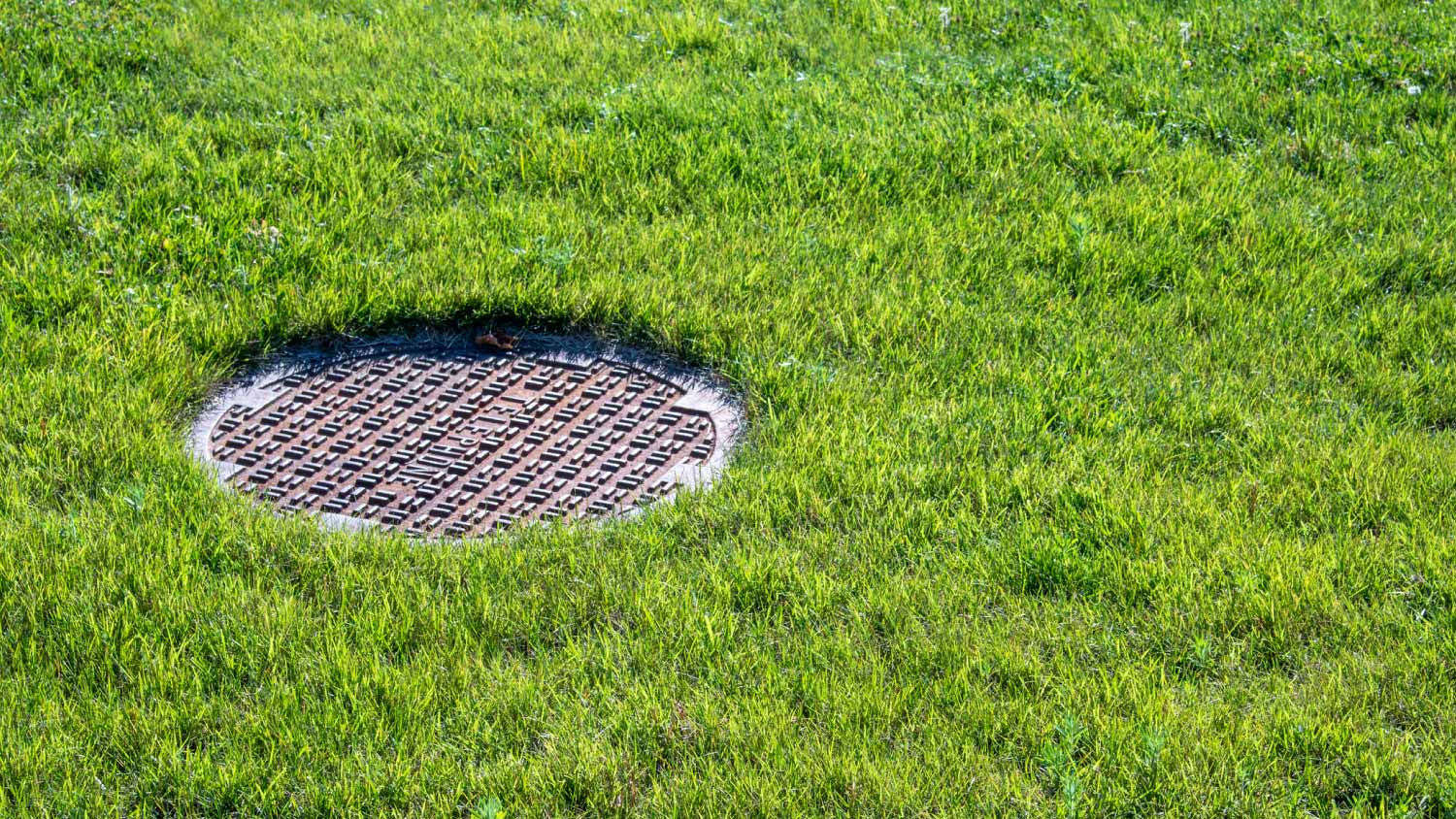
If you aren’t sure if you have a septic tank or a cesspit, you can check your property records or inspect your drainage system. A septic tank has an outlet pipe that allows liquid to drain into a soakaway or drain field, while a cesspit is a sealed tank that requires frequent emptying. If you notice a manhole cover and no nearby drainage field, it’s likely a cesspit. Signs like slow drainage or a frequent need for pumping can also provide clues. A professional inspection is the easiest way to confirm if your home runs on a septic tank or cesspit.

A septic alarm can sound different depending on your system, but often, it’s a loud, repetitive beeping noise or a steady, high-pitched noise. It may also be a loud buzzing noise. To confirm the noise is your septic alarm, check your alarm box for a red light. You can also silence your alarm with a red button or switch on the box. Look for something that says “Test” or “Mute.”

A well pressure tank is located between the well and the well pump, and it stores your water under pressure so that the well pump can eventually do its job. The well pump is activated whenever you turn a faucet on—it pulls the water from the tank into your home. Both are vital parts of a complete well water system.

The best times of year to pump or empty a septic tank are spring and fall. Many professionals recommend spring because the ground has thawed, making the tank easier to access, and any snowmelt or rainfall can aid in proper drainage. Pumping before summer is also ideal to avoid conflicts with vacations or outdoor gatherings.

Fall is another great option, as contractors may be less busy than in the spring. Servicing the tank in late fall or early spring can also reduce the risk of overflow from extra precipitation during winter and spring.

While summer is a possibility, winter is generally not recommended. The ground is often frozen, which can make it difficult to access the tank, and the waste inside may also be frozen.

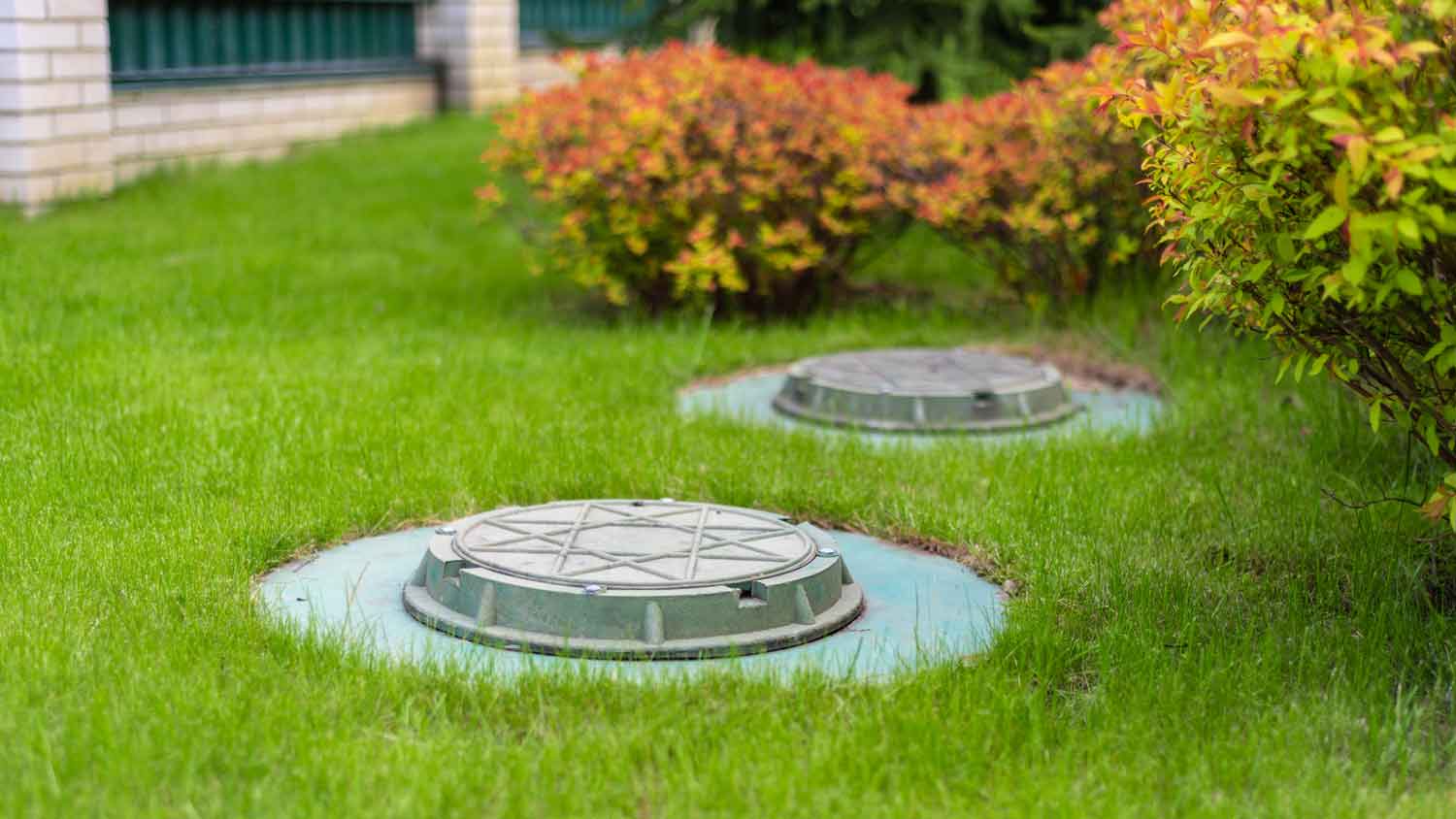
They can if they’re not installed correctly or if the caps or covers were dislodged by a lawn mower or other yard equipment. This is why it pays to hire a reputable septic tank company that’s experienced in septic tank installation and maintenance. You should also check caps and covers often to see that they’re in place and take measures to tighten or secure them, provided it is safe to do so.

The Kimberly, WI homeowners’ guide to septic tank services

From average costs to expert advice, get all the answers you need to get your job done.