





Top-rated septic tank pros.

Get matched with top septic tank pros in Oneida, WI

Enter your zip and get matched with up to 5 pros

Need a pro for your septic tank service project in Oneida, WI?

Select your specific project to find the pro for you.

Find Septic tank pros in Oneida

Avatar for American Home Shield – Home Warranty
American Home Shield – Home Warranty
3.5(
5,688
)
Septic System - Install or ReplaceSeptic System - Install or Replace - For BusinessSeptic System - Repair+3 more

Serving Oneida, WI and surrounding areas

In business since 1971

Credit card accepted

"The technician emptied the freezer, which was in the basement, to work on the part that needed repair. Then he neglected to put anything back into the freezer, including a turkey I had bought for Christmas and a rack of ribs. Two days after he left, I went out of town for two weeks. The turkey actually exploded and spewed its liquid all over everything, which had to be discarded. I let AHS know and they couldn't even bother to call me or follow up on this. I'm considering not renewing my contract with them because of the quality (or lack thereof) of many of the providers they send."

Additional Photos
Additional Photos
Additional Photos
Additional Photos
Additional Photos

+2

Recommended by65%of homeowners
Septic Tanks questions, answered by experts

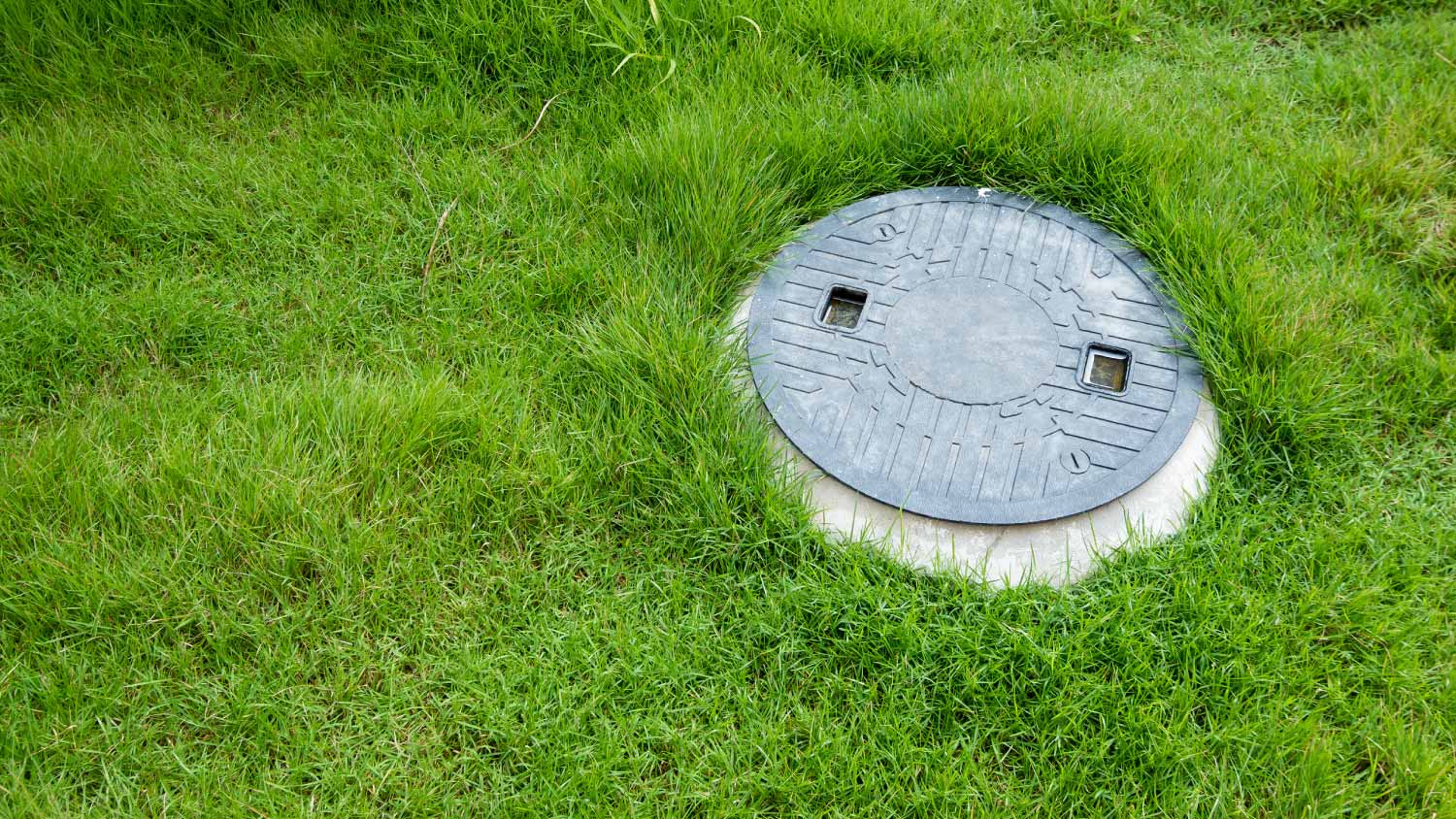
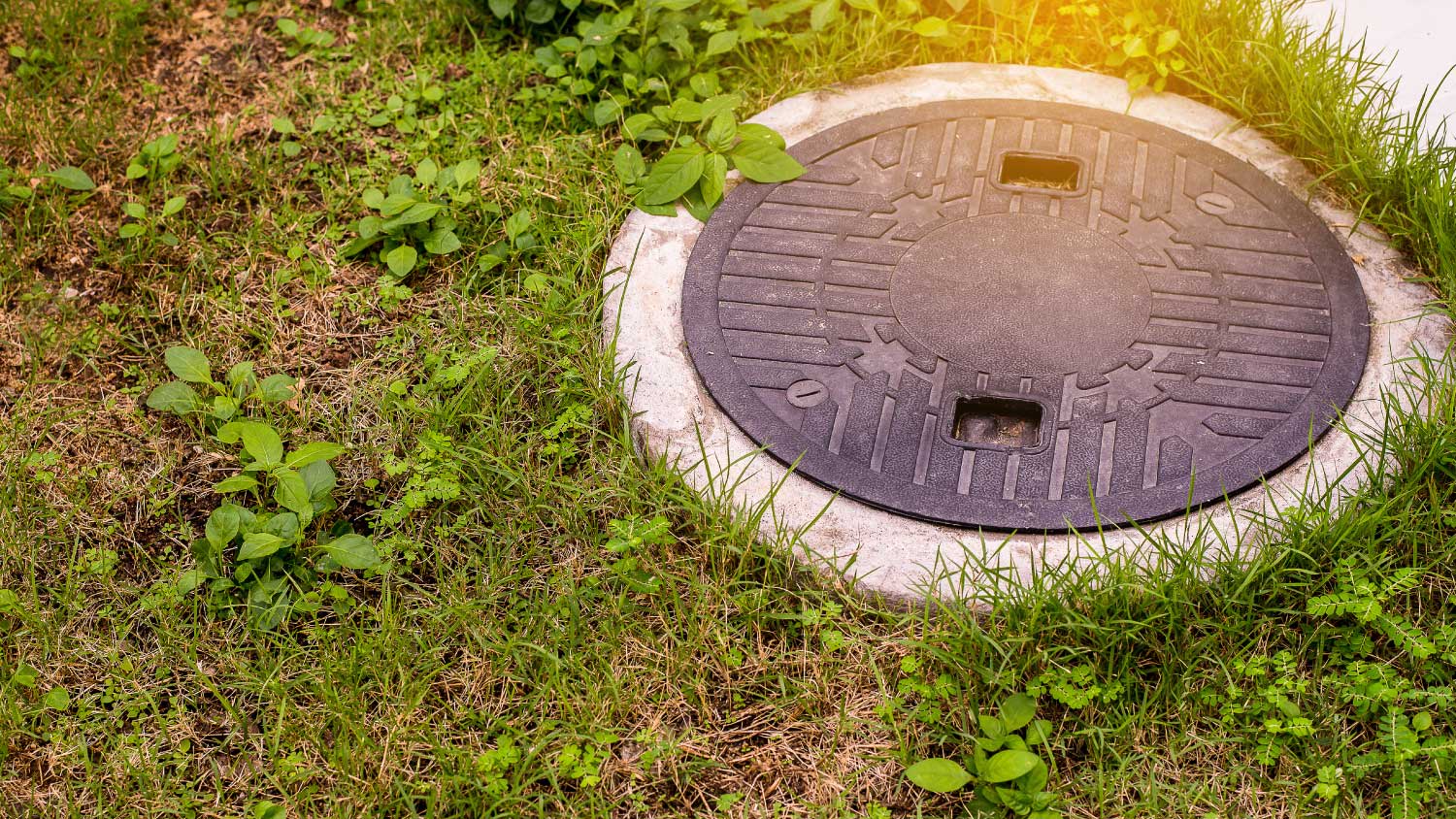
Septic tank lids may or may not be buried in a yard. Most lids are buried at least 4 inches deep unless you have an aerobic septic system. Aerobic septic systems need frequent cleanings, about every four months, so it’s best to leave these lids aboveground for easier access. For buried lids, homeowners can use risers that make it easier to locate and access a buried septic tank lid.

A septic smell may be harmful because sewer gas is dangerous depending on the exposure amount and length of time. Sewer gas is made up of multiple gases, including hydrogen sulfide, methane, ammonia, and carbon dioxide. Some of these gases, like hydrogen sulfide and ammonia, are toxic to humans and can be fatal in high concentrations or long exposures.

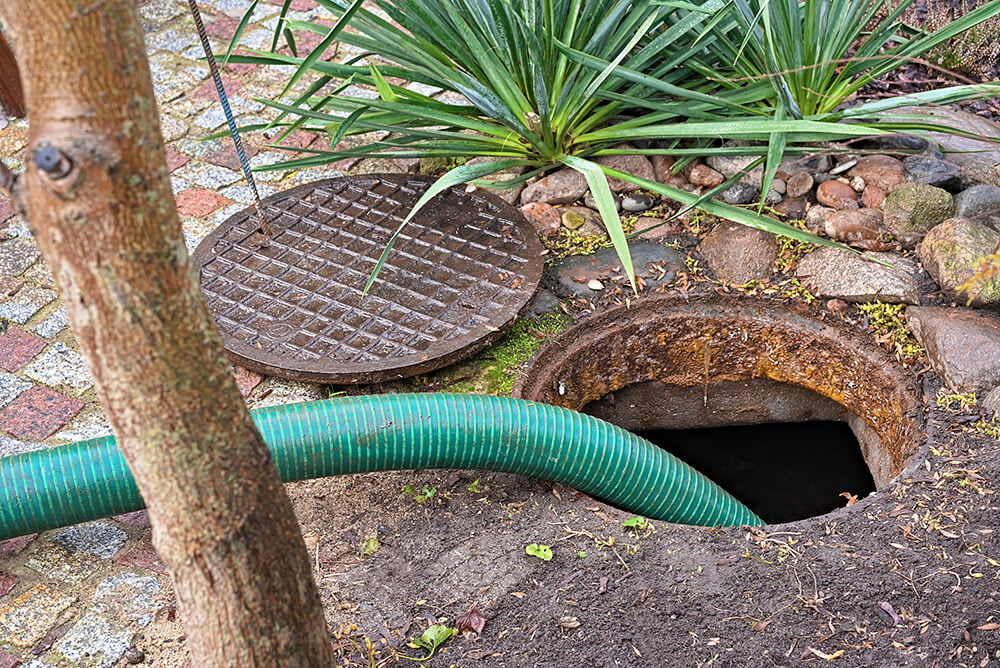
If you aren’t sure if you have a septic tank or a cesspit, you can check your property records or inspect your drainage system. A septic tank has an outlet pipe that allows liquid to drain into a soakaway or drain field, while a cesspit is a sealed tank that requires frequent emptying. If you notice a manhole cover and no nearby drainage field, it’s likely a cesspit. Signs like slow drainage or a frequent need for pumping can also provide clues. A professional inspection is the easiest way to confirm if your home runs on a septic tank or cesspit.

Septic tanks and cesspits are both types of sewage and wastewater systems, but they differ in key ways. The main difference between the two systems is that septic tanks separate sewage from wastewater and allow the latter to flow into a drainage field to filter and disperse into the soil. Cesspits don’t have outlets and instead, store sewage until it needs to be pumped by a professional.

A household of four can easily fill a 1,000-gallon septic tank within a week. It may be 10 to 14 days for smaller households. But the reason why you don't need weekly pumping is because the tank's contents eventually reach the overflow pipe. They flow down this pipe to the absorption area whenever water is used in your home. The tank keeps working at this full level until it's pumped again.

The Oneida, WI homeowners’ guide to septic tank services

From average costs to expert advice, get all the answers you need to get your job done.