




Top-rated septic tank pros.

Best septic tank pros near Greenleaf, WI

Enter your zip and get matched with up to 5 pros

Need a pro for your septic tank service project in Greenleaf, WI?

Select your specific project to find the pro for you.

Top-Rated Septic tank pros in Greenleaf - Updated Nov 2026

Avatar for American Home Shield – Home Warranty
American Home Shield – Home Warranty
3.5(
5,689
)
Septic System - Install or ReplaceSeptic System - Install or Replace - For BusinessSeptic System - Repair+3 more

Serving Greenleaf, WI and surrounding areas

In business since 1971

Credit card accepted

"The technician emptied the freezer, which was in the basement, to work on the part that needed repair. Then he neglected to put anything back into the freezer, including a turkey I had bought for Christmas and a rack of ribs. Two days after he left, I went out of town for two weeks. The turkey actually exploded and spewed its liquid all over everything, which had to be discarded. I let AHS know and they couldn't even bother to call me or follow up on this. I'm considering not renewing my contract with them because of the quality (or lack thereof) of many of the providers they send."

Additional Photos
Additional Photos
Additional Photos
Additional Photos
Additional Photos

+2

Recommended by65%of homeowners
Todd Emmert Construction
5.0(
1
)
Septic System - RepairSeptic System - Install or Replace

Serving Greenleaf, WI and surrounding areas

In business since 2000

Free estimates

Todd Emmert Construction, is committed to excellence in every aspect of our business. We uphold a standard of integrity bound by fairness, honesty, and personal responsibility. Our distinction is the quality of service we bring to our customers. Accurate knowledge of our trade combined with ability is what makes us true professionals. Above all, we are watchful of our customers' interests, and make their concerns the basis of our business.

Response time10 hrs
8 neighbors recently requested a quote
Recommended by100%of homeowners
Septic Tanks FAQs, answered by experts

There are many reasons you may want to extend the depth of an existing well or drill a new, deeper well on your property. A deeper well can tap cleaner water sources—shallow water may contain more contaminants. With a deeper well, you’ll also have an easier time reaching the water table depth (the level at which underground water is found) and can get past tricky soil conditions. 

Plus, if your local building code requires a minimum well depth for safety and environmental standards, you’ll meet the code by digging a deeper well in the first place.

A properly installed and maintained septic drain field (also known as a leach field) can last up to 50 years, though the average is around 20 years. However, factors like poor soil conditions, heavy usage, or improper maintenance can significantly shorten its lifespan to 15-20 years.

To extend the life of your drain field:

  • Schedule Regular Inspections: Have the entire septic system, including the drain field, inspected every two to five years to catch problems early.

  • Protect the Area: Avoid driving heavy vehicles or placing heavy structures over the drain field. Plant only grass or other lightweight vegetation with shallow roots over the area.

  • Maintain the Septic Tank: Proper care of the septic tank, including regular pumping and avoiding harmful chemicals, prevents strain on the drain field.

Be aware of signs of failure, such as strange odors, standing water, or unusually lush grass over the field, which indicate your system may need professional attention.

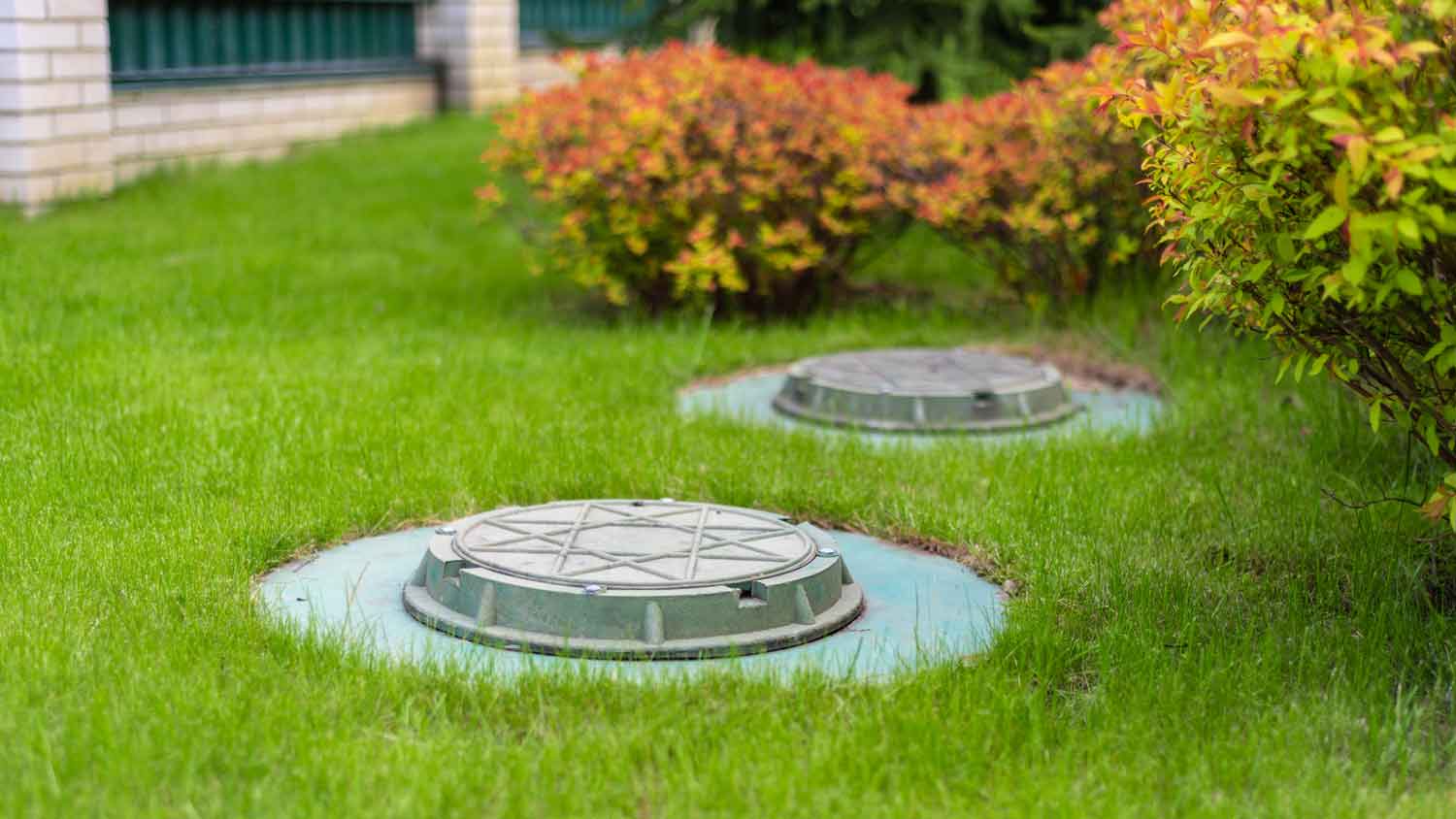
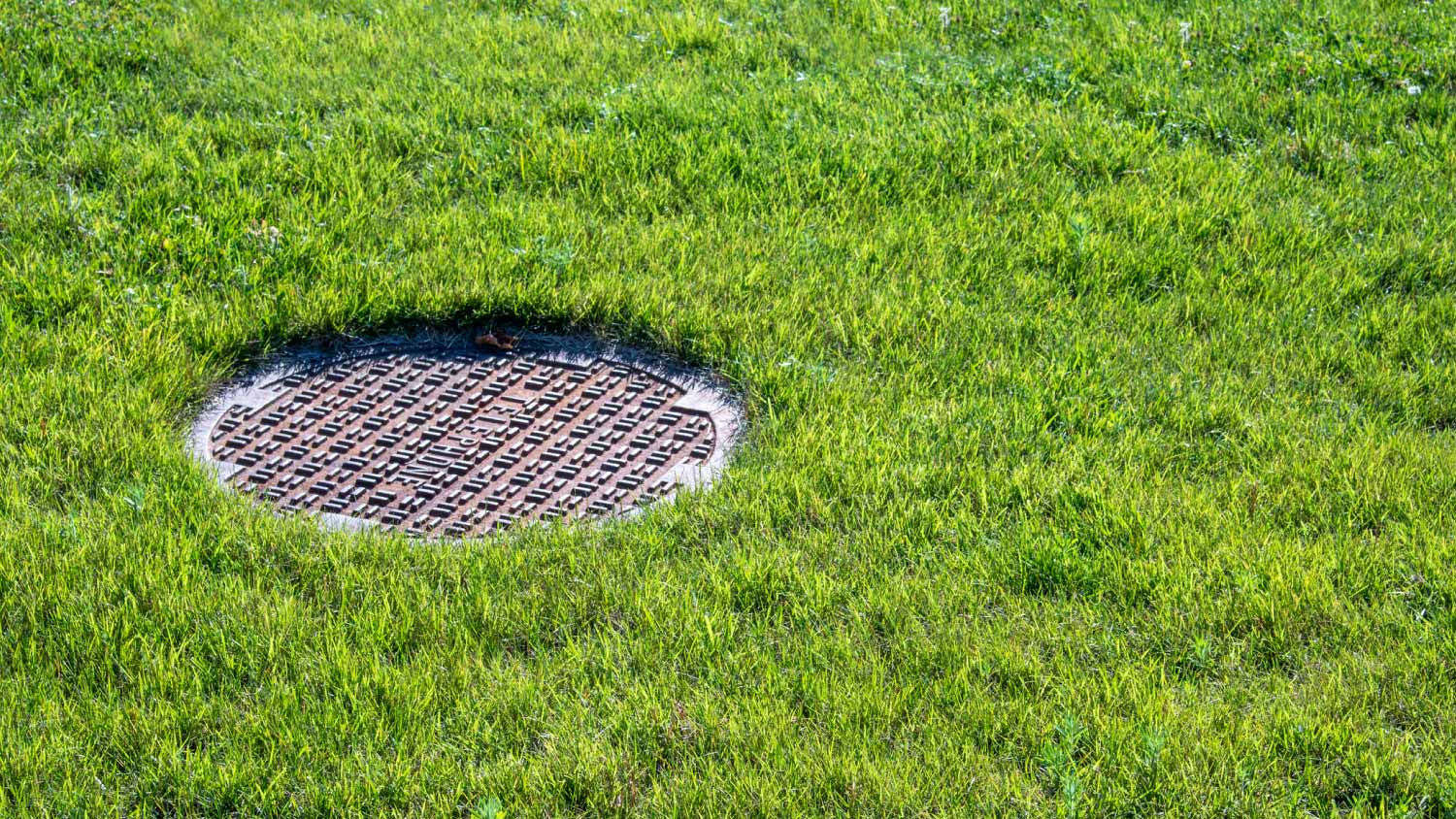
They can if they’re not installed correctly or if the caps or covers were dislodged by a lawn mower or other yard equipment. This is why it pays to hire a reputable septic tank company that’s experienced in septic tank installation and maintenance. You should also check caps and covers often to see that they’re in place and take measures to tighten or secure them, provided it is safe to do so.

Septic drain lines (or leach lines) are typically buried between 18 and 36 inches underground, and should be at least 6 inches below the surface. These pipes are perforated and surrounded by filtering materials like sand or gravel. Burying the lines at this depth helps minimize odors and allows bacteria and other biological processes in the soil to effectively treat the wastewater. Burying lines too close to the surface can cause issues unless the soil is very compact and stable.

There are a couple of ways you can determine the depth of your well. One method is to use a device called a well sounder. This tool has a long measuring tape containing a sensor to alert you once the end reaches the water. 

Or you can DIY it by using a long tape measure with a half-filled bottle of water attached to it. Lower the tape measure into your well. Once you feel tension on the tape, you’ll know the bottle has reached your static water level. This will give you an approximate idea of your well’s depth.

The Greenleaf, WI homeowners’ guide to septic tank services

From average costs to expert advice, get all the answers you need to get your job done.