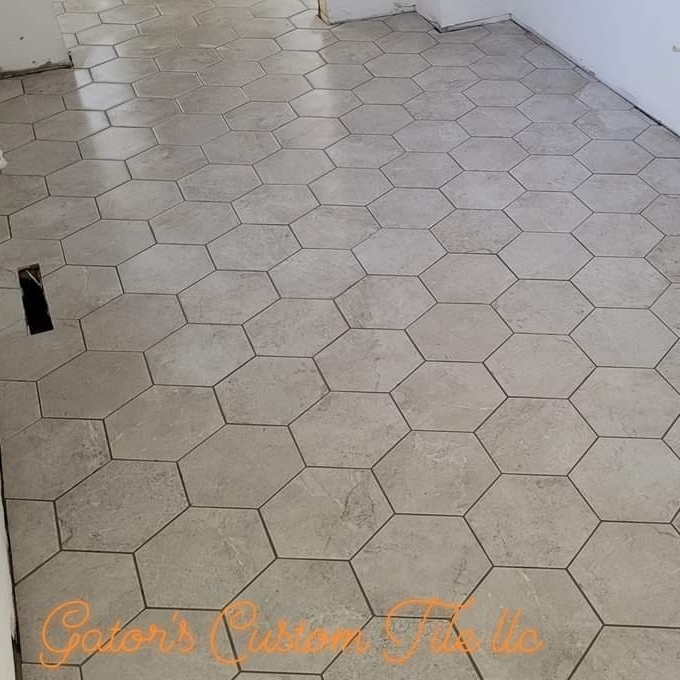







Top-rated ceramic tile pros.

Best ceramic tile pros near Horicon, WI

Enter your zip and get matched with up to 5 pros

Need a pro for your ceramic tile service project in Horicon, WI?

Select your specific project to find the pro for you.

Top-Rated Ceramic tile pros in Horicon - Updated Nov 2026

Showing 1-10 of 34
Ceramic Tile FAQs, answered by experts

Penny tile should be sealed to protect the grout from moisture and keep stains from damaging the look of the tile. If penny tile is in a humid or high-traffic area, like a bathroom, kitchen, or entryway, it needs sealant. Any type of tile and grout is best maintained with a sealant reapplied by a pro every one to two years.

Yes, you can tile over existing tiles in a bathroom, but it is not always recommended. For this method to be successful, the original tile surface must be clean, flat, and free of damage such as cracks, unevenness, mold, or mildew. While tiling over existing tiles can save time and money, there are potential drawbacks. The new adhesive may not bond properly, and the process adds extra weight to the wall or floor. Additionally, the increased height of the surface could interfere with door clearances. For the best and most durable results, removing the old tiles before installing new ones is generally the better option.

Natural stone floors, especially pebble-style tiling, are one of the least slippery options for a shower floor. Natural stone has a texture to reduce slickness, and pebble-shaped tiles add more visual and textural contrast while reducing slippage. Vinyl tiles are also designed with anti-slip texture for added safety. If you have a slippery tile, be sure to add a grippy shower mat to reduce the risk of falls.

The best trowel for penny tile is a 3/16-inch-by-5/32-inch V-notch trowel. Because of the small size of the penny tile, you want a trowel with small notches that can lay a thin layer of mortar on the surface you’re tiling. If the notches are too wide, you risk applying too thick of a layer of mortar, and it can squeeze out between the penny tiles.

The tile spacing you should use will depend on the tile and where you’re installing it. Choosing the right tile spacers to maintain a consistent gap between your tiles is tricky. Generally, tile spacing shouldn’t be less than 2 millimeters on walls and 3 millimeters on floors because of stress relief requirements. Getting it wrong can result in uneven tiles and early repairs.

The Horicon, WI homeowners’ guide to ceramic tile services

From average costs to expert advice, get all the answers you need to get your job done.