





Top-rated paving pros.

Get matched with top paving pros in Fairchild, WI

Enter your zip and get matched with up to 5 pros

Need a pro for your paving service project in Fairchild, WI?

Select your specific project to find the pro for you.

Find Paving pros in Fairchild

Avatar for Trevor Fink
Trevor Fink
5.0(
3
)
Interlocking Pavers for Patios, Walks & Steps - Install

Serving Fairchild, WI and surrounding areas

Approved

Free estimates

Small jobs welcome

"Trevor was able to complete the job of replacing a piece of damaged trim exactly as we requested. He worked quickly and efficiently, did a great job, and was personable… He even took his shoes off in the house without us asking. :) Would definitely call again if needed."
Gallery
10 neighbors recently requested a quote
Showing 1-10 of 26
Paving Services questions, answered by experts

The answer to whether or not you need to get a permit before you start your driveway can vary widely based on local ordinances and the scope of your driveway ideas. In most urban and suburban areas, a permit is needed before building a new driveway to ensure that a homeowner is using safe materials and proper drainage practices while designing and constructing a new driveway. In some rural areas, a homeowner may not be required to apply for a permit. When building a new driveway on your own, always check with your local building department to see if you need to request a permit. When hiring a driveway contractor, verify that the right permits are being used before driveway construction begins.

A driveway's lifespan varies by material. Asphalt driveways typically last 15 to 30 years, while concrete driveways last longer, between 20 and 50 years. The longevity of any driveway is affected by factors like extreme temperatures, heavy traffic, and the quality of maintenance. Regular upkeep, such as filling cracks, resealing the surface, and ensuring proper drainage, can help extend its life. For gravel driveways, regrading to fill in uneven areas every year or two is recommended.

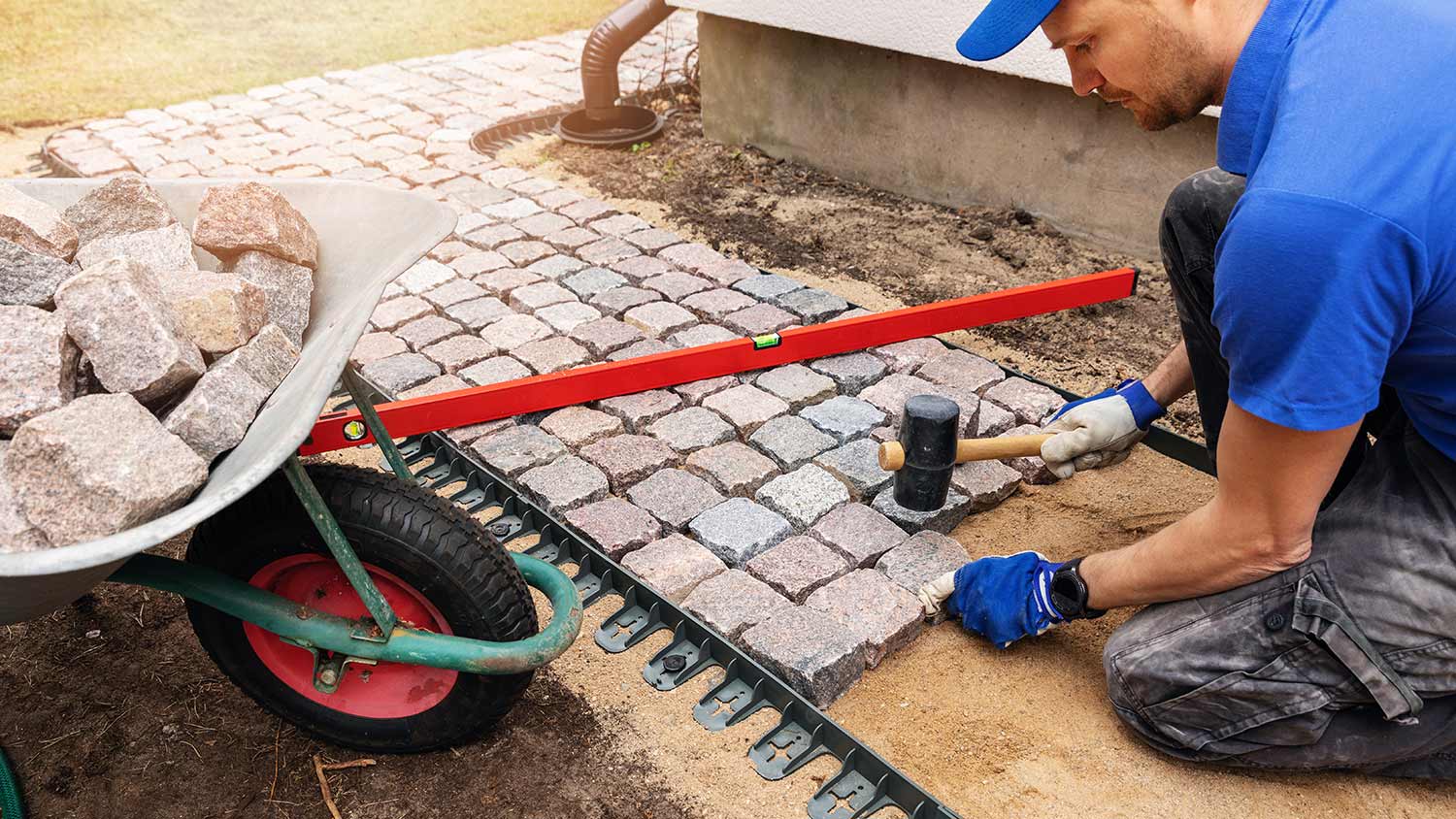
If pavers are uneven but not sunken, lift the affected bricks and check the bedding sand underneath. In many cases, simply smoothing out or adjusting the sand is enough to level them. Add or remove small amounts as needed, then press the pavers back into place and tap them with a mallet until they sit evenly with the surrounding surface.

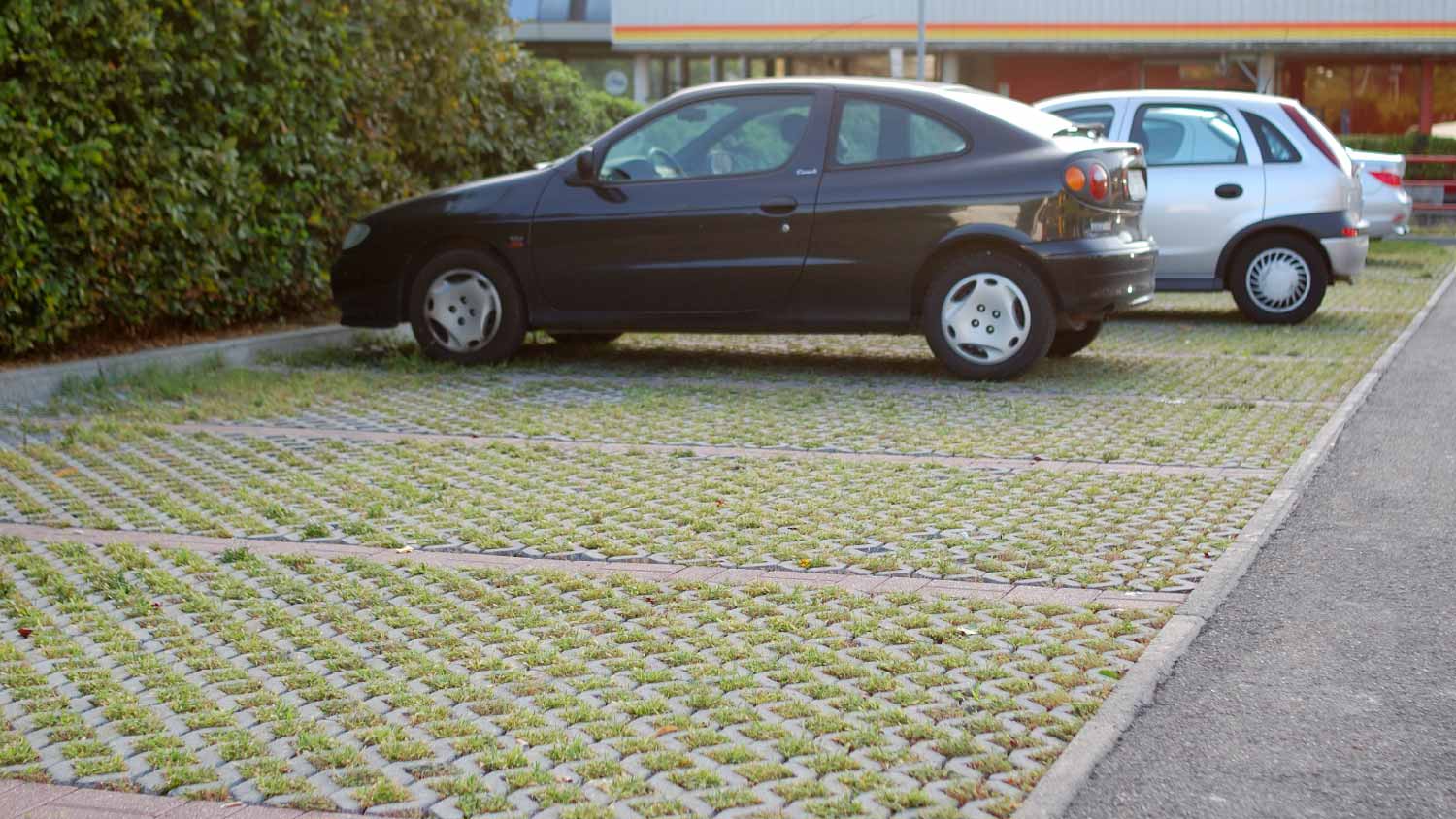
Professional installers often include a deep layer of crushed gravel under permeable pavers to allow more runoff to soak through into the soil below. Many installations will include multiple layers of gravel, with coarser aggregate at the base and finer aggregate that sits on top of that bottom layer. Above the gravel, you’ll often find coarse sand that helps reduce paver shifting over time. Some permeable paver designs include a water collection system set into the gravel layer to route runoff to a safe area for disposal.

The most obvious disadvantage of permeable paving is that the cost is typically higher compared to non-permeable concrete, pavers, or asphalt methods. Also, the porous material can get clogged with dirt and debris, requiring cleaning and power washing more frequently than standard paving materials and methods. Although permeable paving is not ideal for highways, airports, and other surfaces supporting heavy traffic and machinery, it is suitable for regular residential driveways.

The Fairchild, WI homeowners’ guide to paving services

From average costs to expert advice, get all the answers you need to get your job done.