



Top-rated paving pros.

Best paving pros near Evansville, WI

Enter your zip and get matched with up to 5 pros

Need a pro for your paving service project in Evansville, WI?

Select your specific project to find the pro for you.

TRUSTED BY EVANSVILLE, WI HOMEOWNERS

  • Average homeowner rating star icon4.4
    Average homeowner rating
  • Verified reviews icon70
    Verified paving services reviews

Top-Rated Paving pros in Evansville - Updated Nov 2026

Avatar for A+ Tree & Arborists LLC
A+ Tree & Arborists LLC
5.0(
1
)
Interlocking Pavers for Patios, Walks & Steps - Install

Serving Evansville, WI and surrounding areas

Approved

In business since 2001

"We have used A+ Lawn Care for a number of years. Was thrilled when they added the tree and arborist services. They showed up today to 'clean up' the sucker growth on 2 very large Honey Locust, a crab apple and a cluster of mulberry trees. As always the crew that showed up, were prepared to work, did their work, cleaned up after themselves. In this case, I reminded them we had concrete decorative curbing around 3 of the 4 trees. Installed by A+ Lawn Care but buried in the snow. They carefully cleaned the snow off the curbing so they knew where it was. No damage done. We weren't so lucky with another tree company - and there was no snow then. Our experience with A+ Lawn Care and now A+ Tree & Arborist were great. I have recommended A+ Lawn Care a number of times and will do the same for A+ Tree & Arborist"
...
Showing 1-10 of 53
Paving Services FAQs, answered by experts

Generally speaking, tiles are for indoor use, while pavers are for outdoor use. The main difference between travertine tiles and pavers is their thickness. Tiles are around 1/2 inch thick, and pavers are 1 1/4 inches to 2 inches thick.

Pavers are more rugged and can handle different weather. The extra thickness on pavers also makes them ideal for high-traffic areas.

Paving is a part of hardscaping, so all paving is hardscaping, but not all hardscaping is paving. Paving involves laying down concrete or asphalt, while hardscaping can also include the use of paving stones, bricks, gravel, wood, and more. Hardscape features that involve paving are considered permanent and will increase your property taxes, while some other hardscaping features—like those involving bricks, gravel, and paving stones—will not affect property taxes. Paving also typically requires a permit, while hardscaping features considered temporary will not.

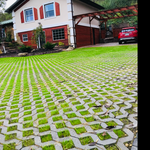
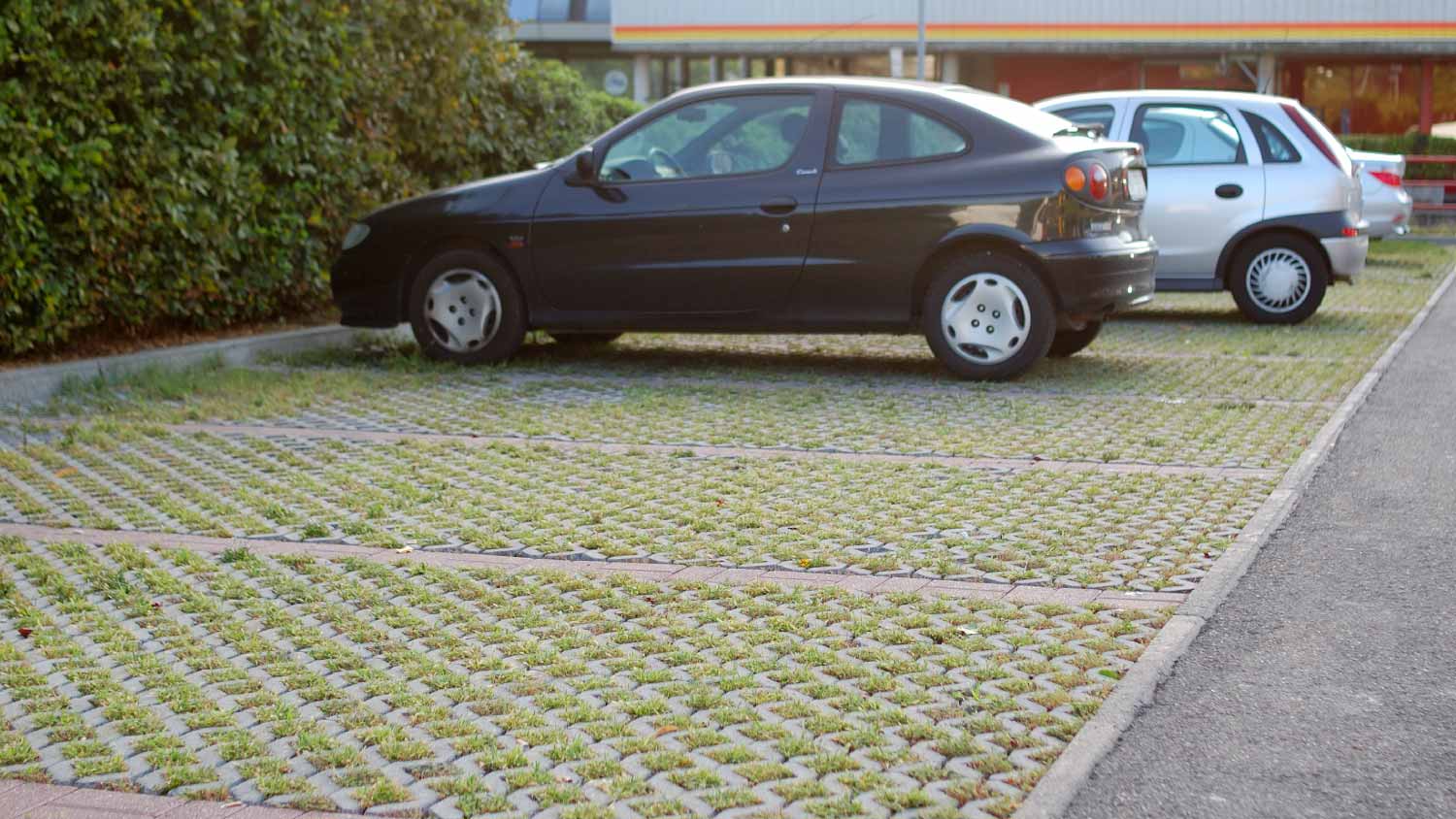
Grass pavers are suitable for heavy foot or vehicle traffic, but they’re not as resistant as concrete or asphalt pavers.

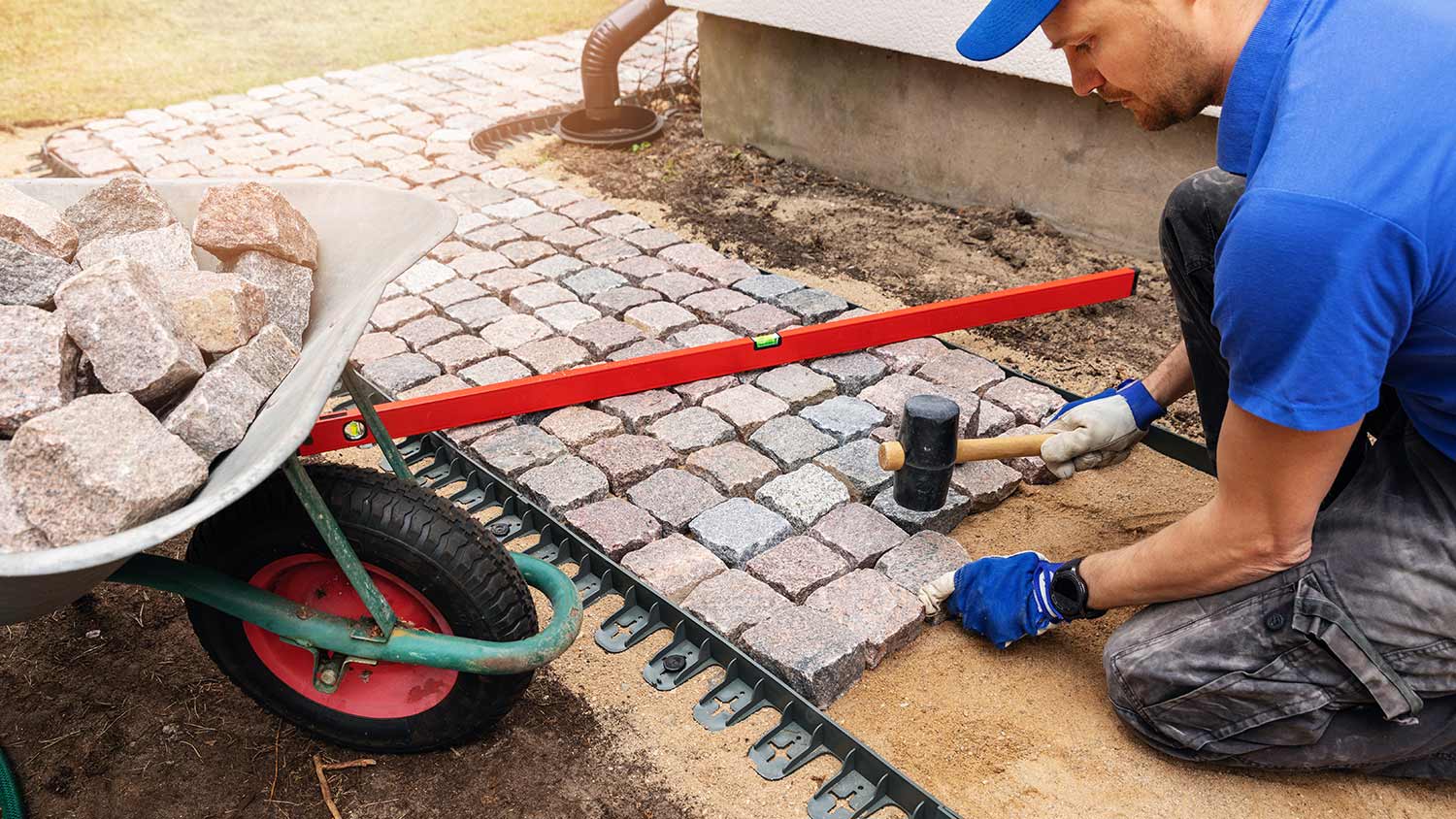
The layer of polymeric sand under the pavers plus the polymeric sand that gets swept into the joints between your pavers holds them in place in a few ways. For one, the gritty texture of the sand helps lock the pavers together. Polymeric sand also contains bonding agents that get activated by water. Polymeric sand will take between 24 and 48 hours to fully cure, so do not walk on your paver walkway before this time.

In most cases, you don’t need a permit to repave your driveway, although some exceptions exist. If you’re widening your driveway and plan on widening the apron as well, you’ll usually need a permit from the Department of Transportation in your area. This permit costs between $50 and $300 in most cases. Most municipalities will also require a certified and insured contractor do the work relating to the apron and curb cut. You can contact your building department or ask your paving company if you need a permit. Your driveway professional will usually pull the permit for you.

The Evansville, WI homeowners’ guide to paving services

From average costs to expert advice, get all the answers you need to get your job done.