






Top-rated paving pros.

Get matched with top paving pros in South Beloit, IL

Enter your zip and get matched with up to 5 pros

Need a pro for your paving service project in South Beloit, IL?

Select your specific project to find the pro for you.

TRUSTED BY SOUTH BELOIT, IL HOMEOWNERS

  • Average homeowner rating star icon4.2
    Average homeowner rating
  • Verified reviews icon82
    Verified paving services reviews

Find Paving pros in South Beloit

Avatar for K&S Drywall and Masonry
K&S Drywall and Masonry
5.0(
7
)
Asphalt Paving - Repair or PatchAsphalt Paving - Repair or Patch - For Business

Serving South Beloit, IL and surrounding areas

Approved

In business since 2010

Free estimates

Emergency services offered

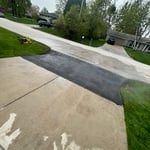
"I'm Very Happy With The Asphalt Work That Was Done They Filled My Cracks In My Driveway. And Resealcoated My Driveway All Work Was Done Looks Very Proffessional I Wouod Recommend Them To Do Your Asphalt Work Highly Recommend !!!!"
K&S Drywall and Masonry
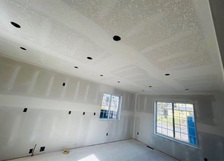
Drywall and masonry
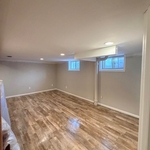
Drywall and masonry
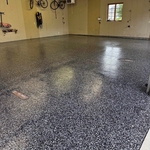
Drywall and masonry
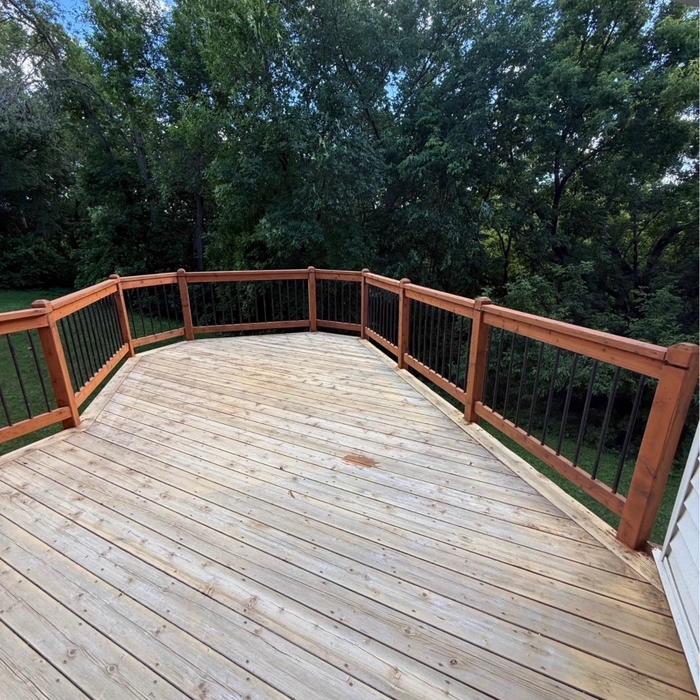
Drywall and masonry

+13

14 neighbors recently requested a quote

Avatar for Martin Dirtworks, LLC
Martin Dirtworks, LLC
5.0(
4
)
Gravel or Loose Fill Paving - Install, Spread or Scrape

Serving South Beloit, IL and surrounding areas

Approved

Free estimates

Emergency services offered

Small jobs welcome

"Hired Martin Dirtworks to clear and remove trees, shrubs, and dirt from my property and bring in backfill. Was very professional and completed all phases of project on time and met budget. Very happy and recommend his services. Will be calling for future projects as prices are fair and great person to deal with."
Excavation
18 neighbors recently requested a quote
...
Showing 1-10 of 67
Paving Services questions, answered by experts

Generally speaking, tiles are for indoor use, while pavers are for outdoor use. The main difference between travertine tiles and pavers is their thickness. Tiles are around 1/2 inch thick, and pavers are 1 1/4 inches to 2 inches thick.

Pavers are more rugged and can handle different weather. The extra thickness on pavers also makes them ideal for high-traffic areas.

The dimensions of a driveway apron vary based on local building codes, the width of your driveway, and the distance between the driveway and the road. On average, aprons range from 12 to 24 feet wide and 8 to 18 feet long. Typically, the end of the apron connected to the driveway matches its width—such as 10 to 12 feet for a single-car driveway—while the end at the street flares out to allow cars to turn in and out more easily. In some areas, you may not be responsible for the portion of the apron that extends beyond the sidewalk, but this depends on local laws.

Recycled asphalt is a durable choice for a driveway, but doesn’t have the same appearance and low maintenance as standard asphalt. For long driveways in rural communities, recycled asphalt can make a great choice. Recycled asphalt is 20% to 30% percent less expensive than standard asphalt and is better for the environment. 

Paving is a part of hardscaping, so all paving is hardscaping, but not all hardscaping is paving. Paving involves laying down concrete or asphalt, while hardscaping can also include the use of paving stones, bricks, gravel, wood, and more. Hardscape features that involve paving are considered permanent and will increase your property taxes, while some other hardscaping features—like those involving bricks, gravel, and paving stones—will not affect property taxes. Paving also typically requires a permit, while hardscaping features considered temporary will not.

Maintaining a driveway depends on its material. For concrete and asphalt, it's best to clean the surface thoroughly twice a year with a stiff broom and a pressure washer to remove accumulated dirt and debris. Sealing the driveway is crucial to protect it from water damage and freeze-thaw cycles. Before applying a sealant, pressure wash the surface to remove any loose sealant, dirt, or stains, as sealing over them will trap them. Any cracks or expansion joints should be filled with a flexible polyurethane caulk or asphalt sealer. In colder climates, use sand instead of salt for de-icing. Sand helps melt snow and ice without accelerating the freeze-thaw process, which can cause cracks.

The South Beloit, IL homeowners’ guide to paving services

From average costs to expert advice, get all the answers you need to get your job done.