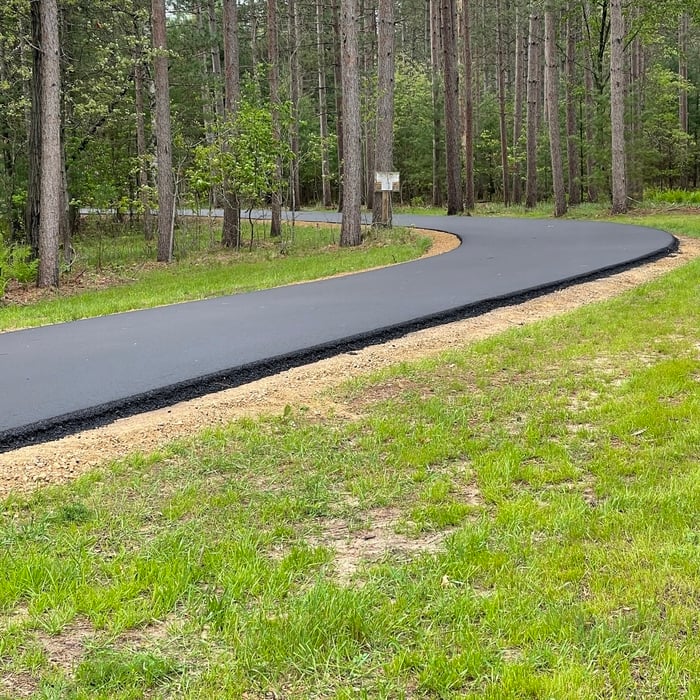









Top-rated paving pros.

Get matched with top paving pros in Brooklyn, WI

Enter your zip and get matched with up to 5 pros

Need a pro for your paving service project in Brooklyn, WI?

Select your specific project to find the pro for you.

TRUSTED BY BROOKLYN, WI HOMEOWNERS

  • Average homeowner rating star icon4.6
    Average homeowner rating
  • Verified reviews icon164
    Verified paving services reviews

Find Paving pros in Brooklyn

Avatar for Marvin's Brick Pavers
Marvin's Brick Pavers
4.2(
40
)
Interlocking Pavers for Patios, Walks & Steps - Install

Serving Brooklyn, WI and surrounding areas

Approved

In business since 1997

Free estimates

Warranties offered

"Marvin was next door working on a project for our neighbor and i went over to talk to him about doing something in our backyard.He was very polite and professional and i could just tell by talking to him that he was the one for our project. What i liked about him is that it is mostly a family run business.He helped with ideas on the layout which we ended up using and it turned out beautiful !The quality of work was exceptional and they cleaned up as they went.They were prompted and they really know there stuff as paving is all they do.Marvin is a great guy and i highly recommend him for any job you may be considering. He is busy so plan on booking him well ahead."
Additional Photos
Additional Photos
Additional Photos
Additional Photos
Additional Photos

+44

2 neighbors recently requested a quote
Recommended by77%of homeowners
...
Showing 1-10 of 53
Paving Services questions, answered by experts

Generally speaking, tiles are for indoor use, while pavers are for outdoor use. The main difference between travertine tiles and pavers is their thickness. Tiles are around 1/2 inch thick, and pavers are 1 1/4 inches to 2 inches thick.
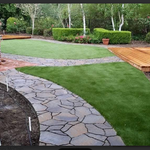
Pavers are more rugged and can handle different weather. The extra thickness on pavers also makes them ideal for high-traffic areas.

Your city or county will have guidelines about the minimum and maximum width and length of private roads. The average private road is 12 feet wide, and length, of course, depends on your property. Requirements also depend on the amount of traffic and types of vehicles your road experiences. Check with local ordinances before planning a road on your property.

Asphalt and tarmac are not the same thing. Traditional tarmac, short for tarmacadam, uses tar as a binder to hold crushed stone together. Asphalt uses bitumen—a byproduct of crude oil—to bind aggregate. Though tarmac was once a go-to for roads, asphalt has become the modern standard. And these days, most surfaces referred to as “tarmac” are actually asphalt. So, while the names may overlap, the key distinction lies in the binder—tar for tarmac and bitumen for asphalt.

After removing existing moss, consider using paver blocking sand to fill the joints. This specialty material hardens once placed and serves as an effective barrier against moss and weeds. From there on, regularly clean your pavers and try to keep them dry. You can also seal your paver as a semi-permanent solution — just make sure you reseal every 3 to 5 years.

Costs range from $3 to $7 per square foot, depending on the area size and project scope.

The Brooklyn, WI homeowners’ guide to paving services

From average costs to expert advice, get all the answers you need to get your job done.