




Top-rated electricians.

Get matched with top electricians in Dresser, WI

Enter your zip and get matched with up to 5 pros

Need a pro for your electrical service project in Dresser, WI?

Select your specific project to find the pro for you.

TRUSTED BY DRESSER, WI HOMEOWNERS

  • Average homeowner rating star icon4.5
    Average homeowner rating
  • Verified reviews icon46
    Verified electrical services reviews

Find Electricians in Dresser

Avatar for My Computer Works, Inc.
My Computer Works, Inc.
4.0(
630
)
Telephone Jacks and Wiring - Install - For BusinessTelephone System - Install or Upgrade - For Business

Serving Dresser, WI and surrounding areas

In business since 2005

Free estimates

Credit card accepted

"I have had a contract with My Computer Works for almost a year and have called them for remote help at least 20 times. The techs are professional and highly efficient in diagnosing and repairing a wide range of problems, both simple and complex. Bless them!"

Training and Support
Recommended by86%of homeowners
Showing 1-10 of 38
Electrical questions, answered by experts

There is no blanket figure for a residential home’s electrical load, since load varies by the size of the home, how many appliances are used, and the efficiency of their electrical systems. Typically, however, it’s safe to assume 40 to 60 amps is the average electrical load of a residential home. 

A C-wire connects your thermostat to your household heating and cooling system to provide continuous 24V power. The furnace's transformer converts household electrical current into this low-voltage power to operate the HVAC system's circuitry. In most configurations, the C-wire connects to the terminals labeled "C" on both the furnace's low-voltage terminal block and the thermostat. In some cases, if a dedicated C terminal is unavailable, the C-wire can be connected to the "G" (fan) terminal at the furnace.

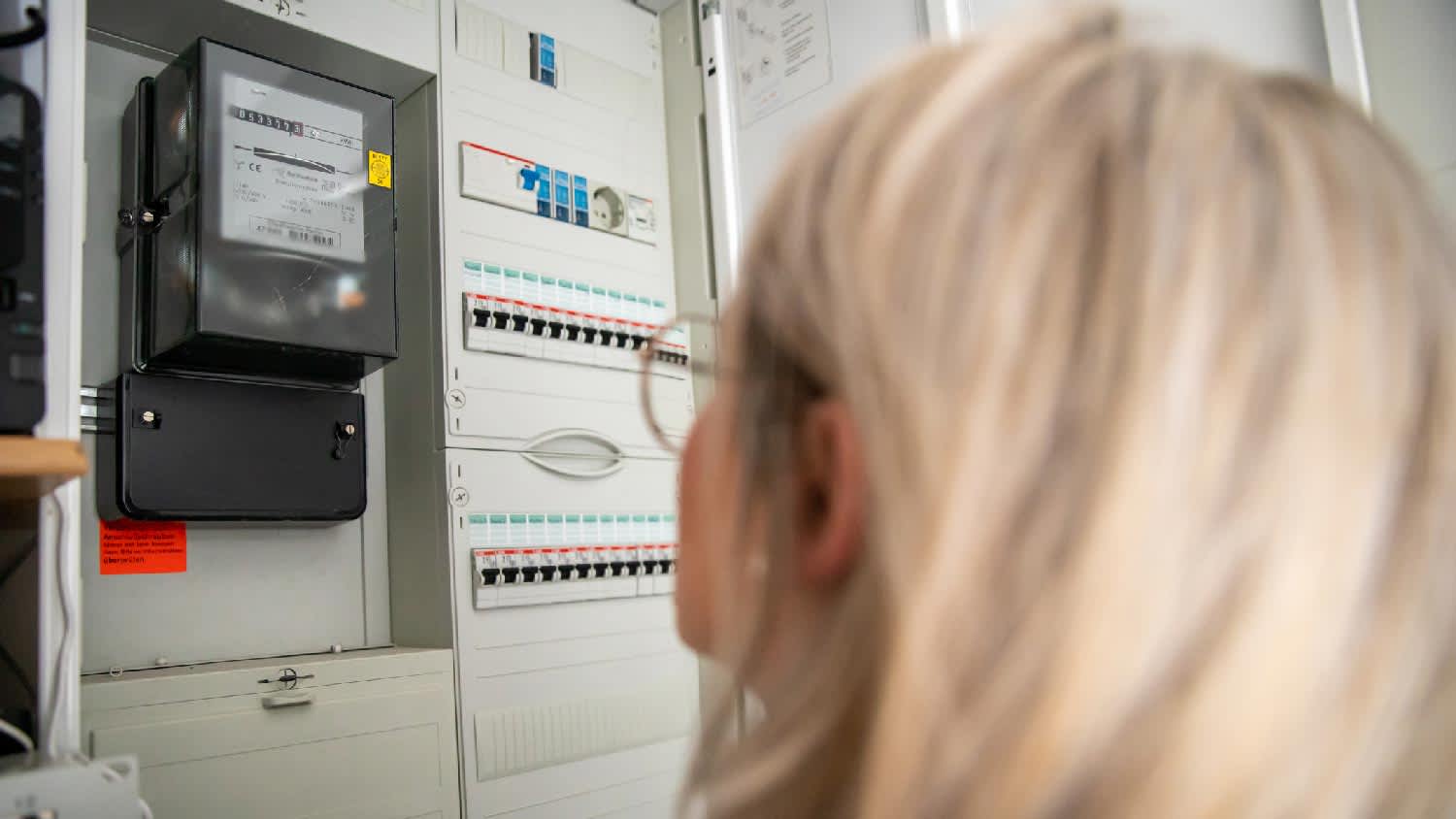
To check if doorbell wires are live, use a non-contact voltage tester. Hold the tester near the wires; if it lights up or beeps, the wires are live. Always ensure the power is off at the breaker box before handling any wiring. If you don't have a voltage tester, consider getting one or consulting a professional to ensure safety.

It might seem tempting to use 14-gauge wires for your outlets, as they can run a little cheaper. But, when it comes to electrical work, it’s best not to cut costs less you overload your circuit. A 12-gauge wire will ensure that you’re protecting the outlet (and your circuit breaker) from any potential overloads that might incur, as it can handle a little more amplitude than a 14-gauge wire.

Type S or T fuses don’t require any special removal or installation tools. However, replacing a cartridge-style fuse is easier and safer when using a fuse-puller tool. All of these tools should be available anywhere you can buy fuses.

The Dresser, WI homeowners’ guide to electrical services

From average costs to expert advice, get all the answers you need to get your job done.