






Top-rated electricians.

Get matched with top electricians in New Richmond, WI

Enter your zip and get matched with up to 5 pros

Need a pro for your electrical service project in New Richmond, WI?

Select your specific project to find the pro for you.

TRUSTED BY NEW RICHMOND, WI HOMEOWNERS

  • Average homeowner rating star icon4.5
    Average homeowner rating
  • Verified reviews icon142
    Verified electrical services reviews

Find Electricians in New Richmond

Avatar for Aquarius Home Services
Aquarius Home Services
4.6(
260
)
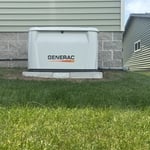
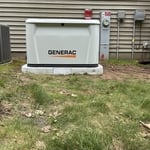
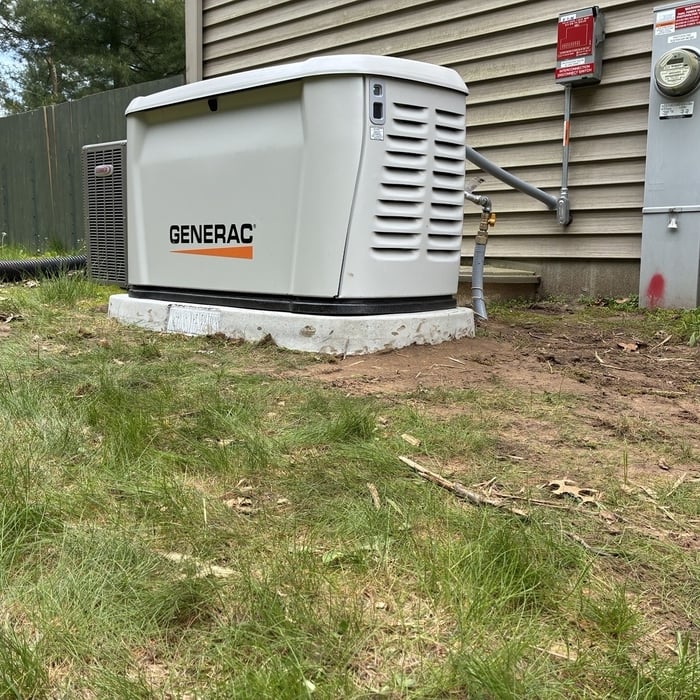
Fixed Generator - InstallElectrical Switches, Outlets & Fixtures - Install or RepairCeiling Fan - Install+19 more

Serving New Richmond, WI and surrounding areas

Approved

Super Service Award Winner

In business since 1987

Free estimates

Emergency services offered

"This company has the best staff! We have had them out 2 different times for different systems and each tech has been super at their job! Today, Nate came to fix electrical issues and while here we had him check a few other electrical items as well. He left us with a fixed home and happy with his services! Top notch, we would absolutely say!!"
Additional Photos
Additional Photos
Additional Photos
Our Team
Response time12 hrs
Response rate100%
7 neighbors recently requested a quote
Avatar for Omega Force Appliance Repair
Omega Force Appliance Repair
4.6(
64
)
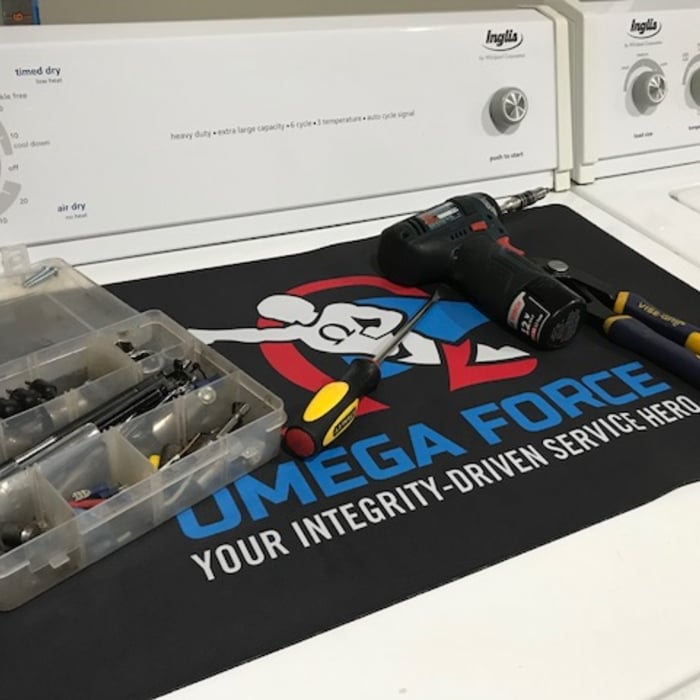
Appliance (Major Electric Appliance) - Install or Replace

Serving New Richmond, WI and surrounding areas

Approved

In business since 2013

Warranties offered

Credit card accepted

"Seth arrived early Monday morning to fix a leaking and ice-covered recent model refrigerator freezer and check a microwave. He was knowledgeable, thorough, persistent in finding the cause of the problem, neat, helpful, and kind. He found and explained the problem, then fixed it completely (until or unless the same drain block happens again). It took some hard work and time but he was patient and efficient in getting it done. The microwave turned out to be an electrical issue but he explained the possible causes in an understandable way. I am very pleased with his work. $75 paid for service call through home appliance warranty company."
Additional Photos
Additional Photos
Additional Photos
Additional Photos
Additional Photos

+9

Response time1 day
Response rate100%
3 neighbors recently requested a quote
Showing 1-10 of 38
Electrical questions, answered by experts

Single switch installs are quick DIY projects, but you should consider enlisting the help of a pro for more complicated replacements—like a smart switch or if you live in an older home with outdated wiring. Professional electricians are trained in the latest code regulations. They are also insured, licensed, and bonded.

According to the National Electrical Code (NEC), GFCI outlets should be installed in wet or damp locations where they might be splashed with water or other liquids. This is to protect against ground faults, which are more common around water. Specific areas that require GFCI outlets include kitchens (especially near counters), bathrooms, laundry rooms, basements, garages, and all outdoor receptacles. Depending on local electrical codes, you may need at least one GFCI outlet in these rooms, or every outlet in the area may need to be GFCI protected.

Electric fences use very little energy and shouldn’t cause any surprises on your next energy bill; You may only notice an extra couple of dollars on the bill. While electric fences don’t consume much energy, they still need it. If you have a power outage after a storm, your electric fence will likely stop working.

Generally, you’ll want to keep between 60 and 70 feet between the generator and the transfer switch. There are a few reasons for this, including:

  • The distance reduces the noise coming from the generator into your home.

  • It increases efficiency because you won’t have a voltage drop from this short of a distance.

  • Prevents carbon monoxide poisoning: keep at least 15 feet between your generator and an open window. 

Sprinkler valves typically have 16 AWG or 18 AWG wires. AWG, or American Wire Gauge, is the standard measurement for wire gauge sizing in the U.S. The gauge is the thickness of the wire, with higher AWG numbers indicating thinner wires. You can find the gauge measurement in your sprinkler system’s user manual or on the sprinkler manufacturer’s website.

The New Richmond, WI homeowners’ guide to electrical services

From average costs to expert advice, get all the answers you need to get your job done.