





Top-rated electricians.

Get matched with top electricians in Star Prairie, WI

Enter your zip and get matched with up to 5 pros

Need a pro for your electrical service project in Star Prairie, WI?

Select your specific project to find the pro for you.

TRUSTED BY STAR PRAIRIE, WI HOMEOWNERS

  • Average homeowner rating star icon4.6
    Average homeowner rating
  • Verified reviews icon55
    Verified electrical services reviews

Find Electricians in Star Prairie

Avatar for My Computer Works, Inc.
My Computer Works, Inc.
4.0(
630
)
Telephone Jacks and Wiring - Install - For BusinessTelephone System - Install or Upgrade - For Business

Serving Star Prairie, WI and surrounding areas

In business since 2005

Free estimates

Credit card accepted

"I have had a contract with My Computer Works for almost a year and have called them for remote help at least 20 times. The techs are professional and highly efficient in diagnosing and repairing a wide range of problems, both simple and complex. Bless them!"

Training and Support
Recommended by86%of homeowners
Showing 1-10 of 38
Electrical questions, answered by experts

You can bury underground electrical wire six inches deep—but only if you use a rigid metal electrical conduit. For rigid, non-metallic conduits, bury the wire at least 12 inches deep. If using an underground feeder cable rated for direct burial, you'll need to place it at least 18 inches deep, as it has no conduit for extra protection.

Amps describe the amount of energy that can flow through a circuit breaker. Every electrical device that’s attached to the breaker requires about 1.5 amps. While that equates to roughly 13 receptacles per 20 amps, using slightly fewer ensures that your circuit will always have enough energy for sudden power surges instead of tripping when one occurs. In general, 10 to 12 receptacles is recommended for a 20 amp circuit.

While circuit breakers are designed to be reset after tripping, there isn't a strict countdown to when they will fail. The primary danger lies in a breaker tripping multiple times in a short period without allowing the components to cool down. Theoretically, a standard breaker might handle around 50 trips caused by simple overloading. However, this number can be much lower in practice. For instance, a high-current fault could damage a breaker to the point that it needs replacement after only two resets. Repeatedly resetting a breaker that trips frequently exacerbates the underlying problem by causing the electrical components, wires, and the breaker itself to overheat. This can lead to permanent damage, cause the breaker to trip unnecessarily in the future, and increase the risk of an electrical fire. If a breaker trips every few minutes, you should leave it in the 'off' position and call a qualified electrician for an inspection.

Replacing your electrical meter box is critical because it helps prevent damage to your home’s electrical system or possible safety hazards. Plus, you won’t have to deal with frequent power tripping, flickering lights, or the scorched scents that an old or damaged meter box may cause.

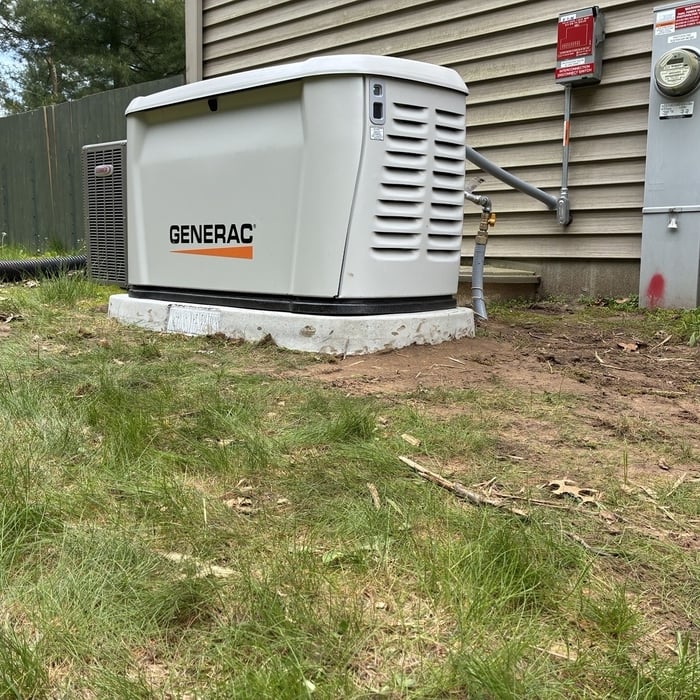
Generators are safe to use as long as they are installed and operated correctly according to the manufacturer's recommendations. The most critical safety tips are to never use a portable or fuel-powered generator inside an enclosed space due to the risk of lethal carbon monoxide poisoning; always operate it outdoors where fumes can dissipate away from your home. Additionally, never attempt to connect a generator to your home’s electrical panel yourself—hire a professional to ensure the setup meets safety standards. Finally, avoid overloading the generator by not connecting more appliances than it is rated for, as this can damage your equipment or cause a fire.


The Star Prairie, WI homeowners’ guide to electrical services

From average costs to expert advice, get all the answers you need to get your job done.