



Top-rated drywall pros.

Get matched with top drywall pros in Burlington, WI

Enter your zip and get matched with up to 5 pros

Need a pro for your drywall service project in Burlington, WI?

Select your specific project to find the pro for you.

TRUSTED BY BURLINGTON, WI HOMEOWNERS

  • Average homeowner rating star icon4.8
    Average homeowner rating
  • Verified reviews icon41
    Verified drywall services reviews

Find Drywall pros in Burlington

Avatar for Ace Painting, LLC
Ace Painting, LLC
4.6(
29
)
Drywall - RepairDrywall - Repair - For Business

Serving Burlington, WI and surrounding areas

Approved

In business since 2000

Free estimates

Credit card accepted

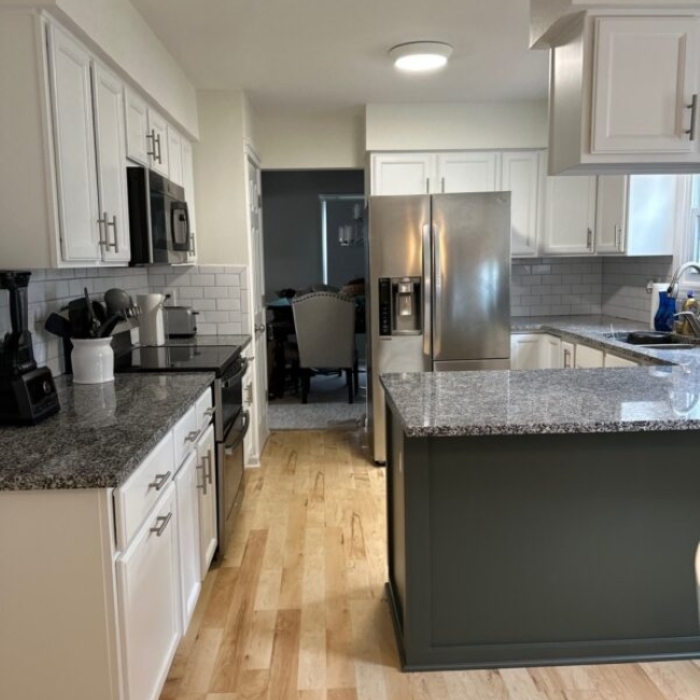
"I am very happy with the work Beau and Daniel did on my kitchen and hallway ( painting walls & trim, patchwork). They arrived on time each day, were very professional,courteous,and completed the job and in actually less time than Beau had estimated ~ hard workers these two. I had gotten other quotes, but Ace beat them them AND did an excellent job. I highly recommend them and will definitely use them again. :)"
Response time12 hrs
Response rate90%
3 neighbors recently requested a quote
4J's Drywall
4.5(
1
)
Drywall - Install - For Business

Serving Burlington, WI and surrounding areas

Approved

In business since 2014

Free estimates

Customers say: Quick response

We're a locally owned and operated company that values honesty and integrity and treats your home as if it were our own. We offer a variety of General Contractor Home Improvement services that are customizable to each individual project. We specialize in Additions and Kitchen Remodels, but also offer a wide range of expertise for a variety of other projects. We pride ourselves on the quality of our work as well as our commitment to outstanding results. We look forward to building lasting relationships and guarantee your satisfaction!

Response time10 mins
Recommended by100%of homeowners
...
Showing 1-10 of 160
Drywall questions, answered by experts

To maintain plaster walls, inspect them regularly for cracks and seal them early. Clean the walls by dusting regularly or using a gentle, damp cloth. It's also important to avoid moisture exposure. Repainting as needed will help maintain the wall's appearance and longevity.

A utility knife is sharp enough to score the drywall and it may work in a pinch for outlet box holes. However, one of the best tools for drywall when you need to make exact cuts for an outlet box quickly is a drywall saw. This handheld tool has a longer blade than a utility knife, so it penetrates the thickness of the drywall easily. The design of its handle and the teeth in its blade make it easier to control while cutting quicker than you can with a utility knife.

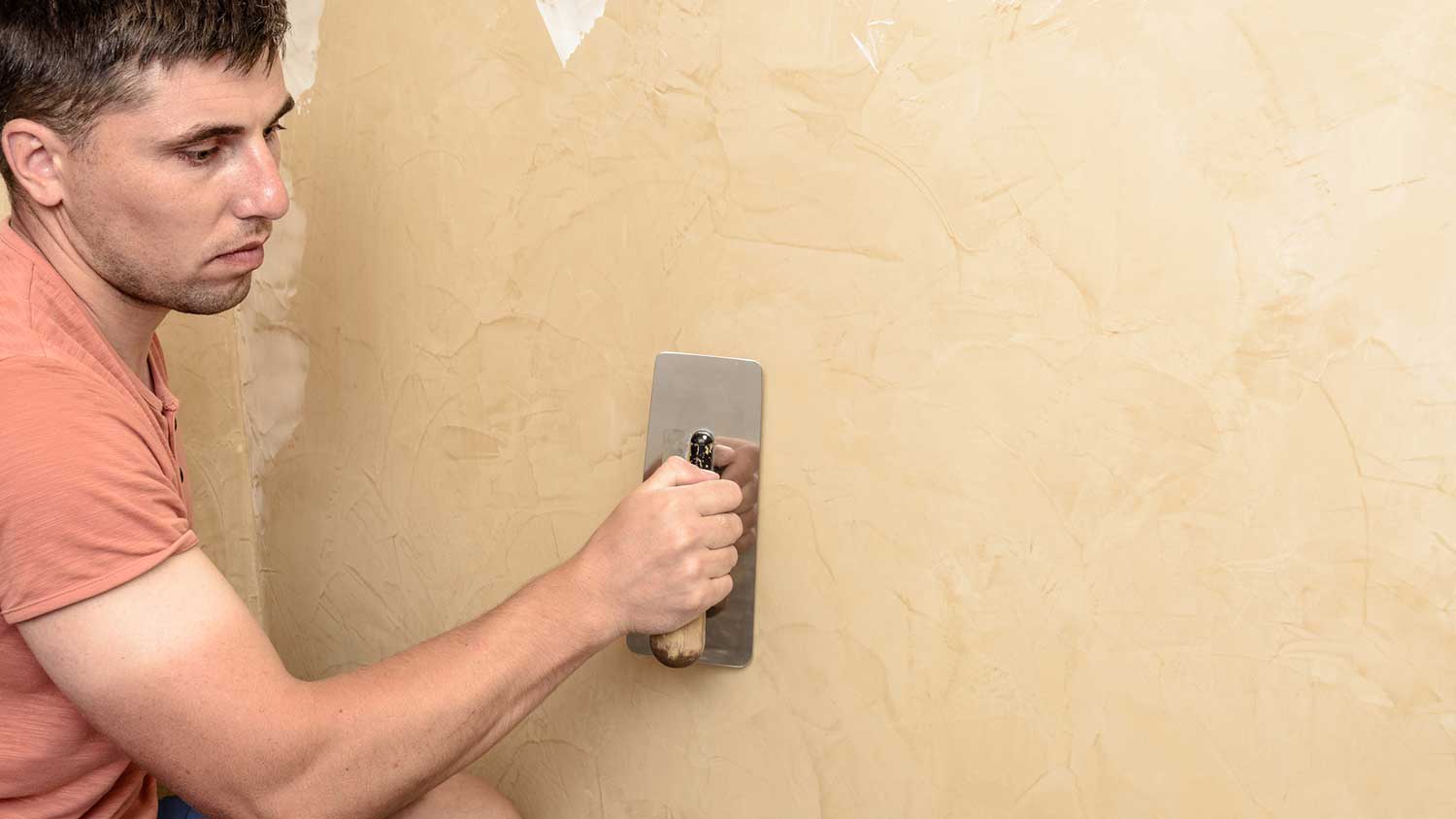
Both plaster and drywall are durable wall finishes, but they differ significantly in installation, cost, performance, and aesthetics.

Installation & Cost: Drywall installation is faster and more affordable, typically costing $1.50 to $3 per square foot. It uses premade sheets, making it a more accessible DIY project. Plastering is a labor-intensive craft that requires specialized skills, pushing costs to $2 to $10 per square foot. It involves applying a wet paste over a lath framework.

Durability & Performance: Plaster is generally more durable, longer-lasting, and provides superior soundproofing. It is also a better insulator, which can help reduce energy costs. Drywall is easier to remove for future renovations.

Aesthetics: Drywall provides a smooth, uniform surface ready for paint or texture. Plaster offers a high-end, naturally textured look that can hide imperfections and is often preferred for achieving a classic or historic aesthetic.

Which is better? The choice depends on your priorities. Drywall is ideal for those prioritizing a lower upfront cost, faster installation, and DIY potential. Plaster is the better option for a higher-end project where durability, soundproofing, and a unique, premium finish are more important than the initial cost.

All plaster walls will crack over time due to normal house settling and expansion and contraction from temperature and moisture changes. Small, thin hairline cracks are generally not serious and are mostly a cosmetic issue. However, larger or more significant cracks can indicate structural problems.

Here's how to tell the difference:

  • Cosmetic Cracks: Cracks that are 0.5 cm (0.2 inches) or thinner are typically cosmetic.

  • Structural Cracks: Cracks wider than 0.5 cm, excessive or deep cracks, multiple cracks in the same area, or cracks that span around corners can signify a structural or foundation issue. Cracks along the joints where walls meet the ceiling also warrant attention.

For cracks wider than 0.5 cm, structural repair is needed. If a crack is 2.5 cm (1 inch) or wider, or if you notice any signs of a structural problem, it is best to contact a plaster repair professional to assess the damage.

When sanding drywall mud, you’re going to create a very fine dust that may contain silica. Silica dust contains crystalline silica, which can cause long-term illnesses for people who inhale it in significant quantities. Wear a mask while sanding drywall. Then dampen a drywall sponge to wipe the dust off the drywall, helping to reduce the amount of dust that may become airborne.

The Burlington, WI homeowners’ guide to drywall services

From average costs to expert advice, get all the answers you need to get your job done.