


Top-rated drywall pros.

Get matched with top drywall pros in Wind Lake, WI

Enter your zip and get matched with up to 5 pros

Need a pro for your drywall service project in Wind Lake, WI?

Select your specific project to find the pro for you.

TRUSTED BY WIND LAKE, WI HOMEOWNERS

  • Average homeowner rating star icon4.8
    Average homeowner rating
  • Verified reviews icon136
    Verified drywall services reviews

Find Drywall pros in Wind Lake

Avatar for Total Textures, Inc.
Total Textures, Inc.
4.9(
10
)

Serving Wind Lake, WI and surrounding areas

Approved

In business since 2010

Free estimates

Warranties offered

"Brian contacted me promptly to set up a time for an onsite inspection of the ceiling repairs work needed to be done. He identified the particular method of applying a patterned texture that would need to be used for the repair to have it match the existing ceiling. While there, he provided a firm price quote that was reasonable, especially given his ability to do the work within a couple of weeks. The work was completed very professionally, with several visits to allow for curing and finishing steps to be done properly. The results were excellent!"

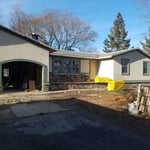
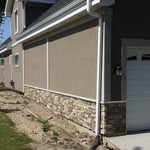
EIFS System
House from afar
Front of House-Stone & EIFS
Pawelski Projects
Finished Front Elevation

+219

Response time2 days
Recommended by100%of homeowners

Avatar for Ace Painting, LLC
Ace Painting, LLC
4.6(
29
)

Serving Wind Lake, WI and surrounding areas

Approved

In business since 2000

Free estimates

Credit card accepted

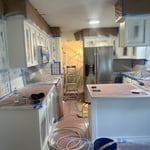
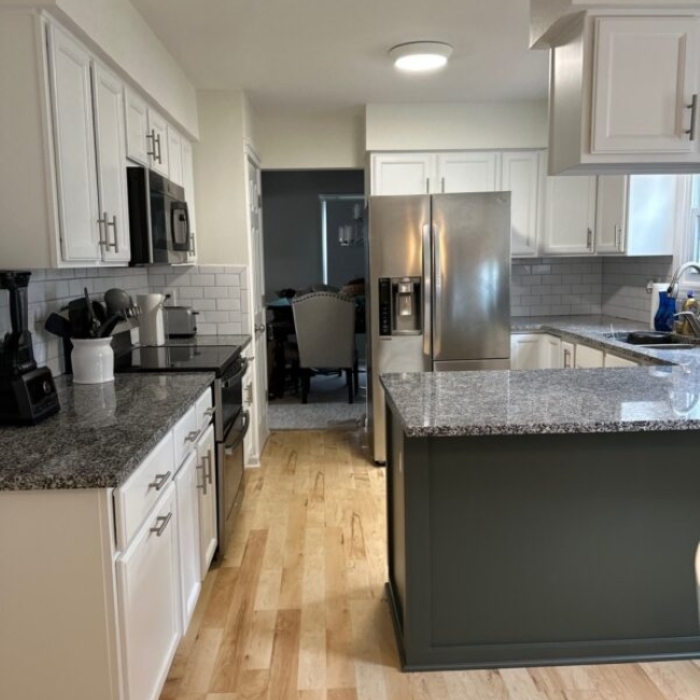
"Beau did a nice job giving our old 1990s cherry cabinets in our bathroom a fresh coat of white paint. They looked great and Beau was efficient and cleaned up afterwards very well."
Response time12 hrs
Response rate90%
2 neighbors recently requested a quote
Avatar for Chapman Home Improvements
Chapman Home Improvements
4.6(
11
)

Serving Wind Lake, WI and surrounding areas

Approved

In business since 2000

Free estimates

Warranties offered

"Due to surgery, Jon Chapman's right arm was immobilized, but he was able to subcontract in a timely manner and oversee the work of a great painting crew. So we have been pleased with the results."
Response time9 hrs
3 neighbors recently requested a quote
Recommended by66%of homeowners
...
Showing 1-10 of 185
Drywall questions, answered by experts

Yes, you can hammer a nail into a wall stud. But before you do, it’s important to confirm that you’re actually nailing into a stud—and not wiring, pipes, or ductwork. To check, find a few more studs in the wall, then measure to make sure they’re either 16 or 24 inches apart.

A 50-pound mirror can be hung on drywall, but only if it has the support of strong hardware. Ideally, you can find the studs behind the drywall and attach the mirror to them; this will give your mirror better stability. Otherwise, confirm that you are using anchors appropriate to the weight of the mirrors. Another technique is to use French cleats—two pieces of wood that fit together, with one piece attached to the wall and the other to the mirror. This allows the weight to be distributed over a wider area.

Wet-sanding and dry-sanding each have pros and cons. Dry-sanding is less messy, so it’s a good option if you’re trying to minimize dust (for example, if you’re sanding an occupied home or working with particularly dry or dusty drywall mud). However, dry-sanding is quicker because you don’t have to keep rinsing a sponge or wait for it to dry before painting.

Plastering and skimming are two different techniques for finishing walls. Plastering involves applying a thick layer of a plaster mixture—typically containing gypsum, lime, cement, sand, and water—to create a new surface. This process often requires multiple coats and is used for repairing significant damage or creating decorative textures. Skimming, on the other hand, is a technique that involves applying a thin layer of drywall compound or joint compound over an existing surface to smooth it out, covering minor imperfections, small cracks, or uneven textures for a polished look. Plastering is generally more costly and labor-intensive than skimming. Although some people use the terms interchangeably, they refer to different processes and materials.

Although they are used for similar tasks, spackle and joint compound are not the same. Joint compound, also known as drywall mud, consists of limestone and gypsum and is primarily used for large-scale projects like taping and finishing seams on new drywall. Spackle is composed of gypsum and binding agents, making it a thicker compound best suited for small wall repairs like filling nail holes or cracks, as it dries quickly and is easy to sand. For small repairs, either product can be suitable. However, you can use joint compound for small jobs in place of spackle, but you cannot use spackle for large-scale taping and mudding projects.

The Wind Lake, WI homeowners’ guide to drywall services

From average costs to expert advice, get all the answers you need to get your job done.