






Top-rated paving pros.

Best paving pros near Cross Plains, WI

Enter your zip and get matched with up to 5 pros

Need a pro for your paving service project in Cross Plains, WI?

Select your specific project to find the pro for you.

TRUSTED BY CROSS PLAINS, WI HOMEOWNERS

  • Average homeowner rating star icon4.5
    Average homeowner rating
  • Verified reviews icon177
    Verified paving services reviews

Top-Rated Paving pros in Cross Plains - Updated Nov 2026

Avatar for Marvin's Brick Pavers
Marvin's Brick Pavers
4.2(
40
)
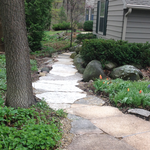
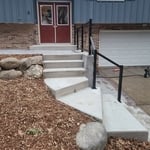
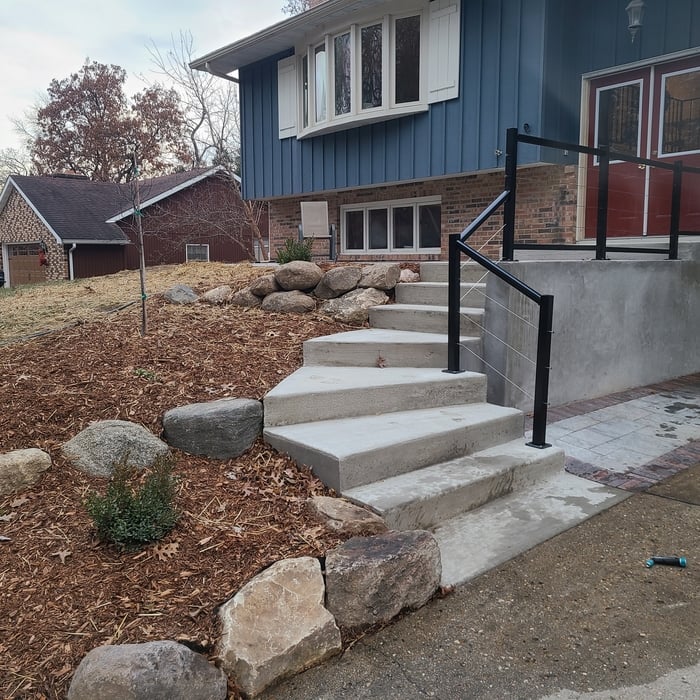
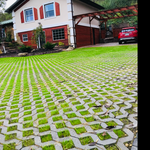
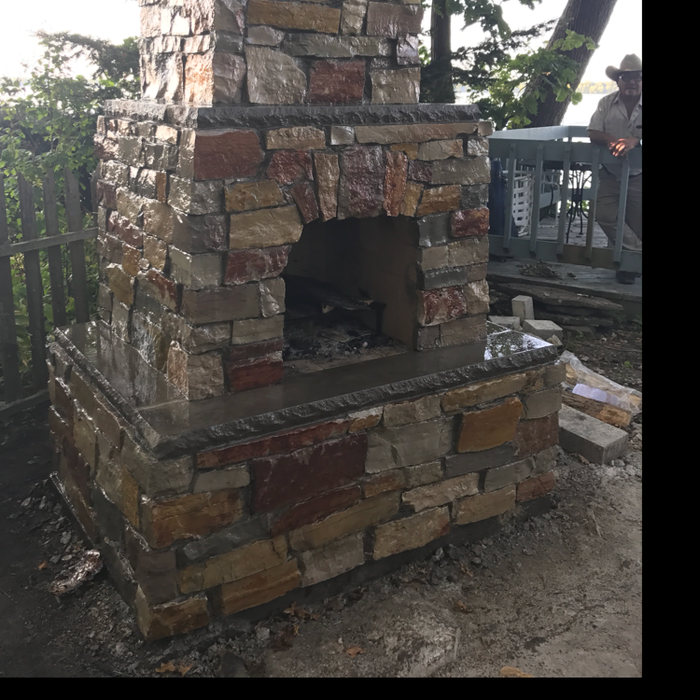
Interlocking Pavers for Patios, Walks & Steps - Install

Serving Cross Plains, WI and surrounding areas

Approved

In business since 1997

Free estimates

Warranties offered

"Marvin was next door working on a project for our neighbor and i went over to talk to him about doing something in our backyard.He was very polite and professional and i could just tell by talking to him that he was the one for our project. What i liked about him is that it is mostly a family run business.He helped with ideas on the layout which we ended up using and it turned out beautiful !The quality of work was exceptional and they cleaned up as they went.They were prompted and they really know there stuff as paving is all they do.Marvin is a great guy and i highly recommend him for any job you may be considering. He is busy so plan on booking him well ahead."
Additional Photos
Additional Photos
Additional Photos
Additional Photos
Additional Photos

+44

Recommended by77%of homeowners

B&E Asphalt
4.0(
14
)
Asphalt Paving - InstallAsphalt Paving - Install- For BusinessAsphalt Paving - Repair or Patch+2 more

Serving Cross Plains, WI and surrounding areas

Approved

In business since 1995

Free estimates

Credit card accepted

30 Years Experience \nYour satisfaction isn’t just a goal—it’s our promise. We pride ourselves on being more than just a provider; we are a partner you can trust. By combining thorough, high-quality work with a proactive approach to your concerns, we ensure every detail is handled with integrity and speed. We uphold the highest ethical standards so you can rest easy. Let’s get started—call us today! 608-567-9259 \n

Asphalt work
Asphalt work
Asphalt work
Asphalt work
Asphalt paving

+8

3 neighbors recently requested a quote
Recommended by72%of homeowners

...
Showing 1-10 of 68
Paving Services FAQs, answered by experts

If you wish to break up a cracked or broken paver for removal, you can use a hammer or mallet and a chisel to fragment the paver. As you’re working, be careful not to disturb surrounding pavers; the key is to work slowly and steadily and remove the broken pieces gently. You should also wear a mask and goggles to ensure that no dust gets into your eyes, nose, or mouth as you work.

Building a road on a slope requires careful planning and will normally require a drainage system underneath to prevent flooding and damage to the road over time. Your professional may lengthen your road to create switchbacks if the slope directly to your home is too steep, as there are regulations for maximum road slope. The drainage system will help prevent runoff from the higher side of the slope from damaging the asphalt or concrete. Keep in mind that building a road on a slope isn’t a good DIY project, as a lot can go wrong.

Box fill refers to the maximum number of conductors that can be contained within a wiring enclosure box, as well as the total volume of the components. Determining the allowable number of conductors in a box requires adding up the number of conductors, clamps, support fittings, devices and equipment, and equipment grounding conductors to make sure you’re within the allowable volume.
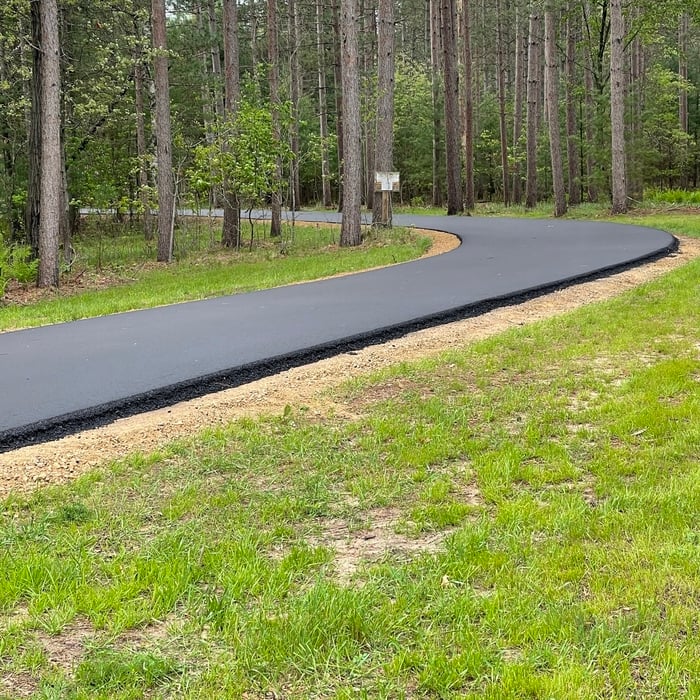

Asphalt and tarmac are not the same thing. Traditional tarmac, short for tarmacadam, uses tar as a binder to hold crushed stone together. Asphalt uses bitumen—a byproduct of crude oil—to bind aggregate. Though tarmac was once a go-to for roads, asphalt has become the modern standard. And these days, most surfaces referred to as “tarmac” are actually asphalt. So, while the names may overlap, the key distinction lies in the binder—tar for tarmac and bitumen for asphalt.

The ideal distance between stepping stones depends on your design preference. A general rule is to place them about 24 inches apart from center to center to match an average person's stride. Another common approach is to leave about 6 inches of space between the edges of each stone; this can be adjusted to fit the path's total length without cutting pavers. If you plan to plant between the stones, leave at least 6 to 8 inches of space to give the plants room to grow.

The Cross Plains, WI homeowners’ guide to paving services

From average costs to expert advice, get all the answers you need to get your job done.