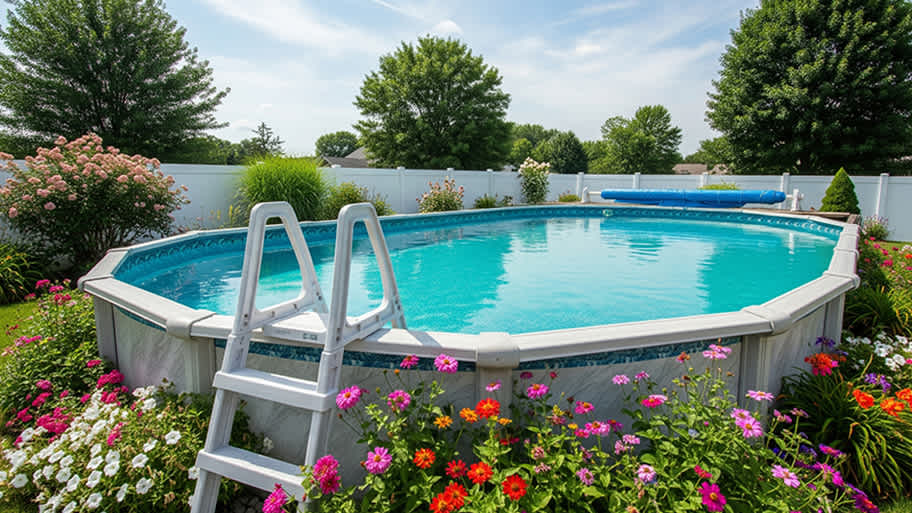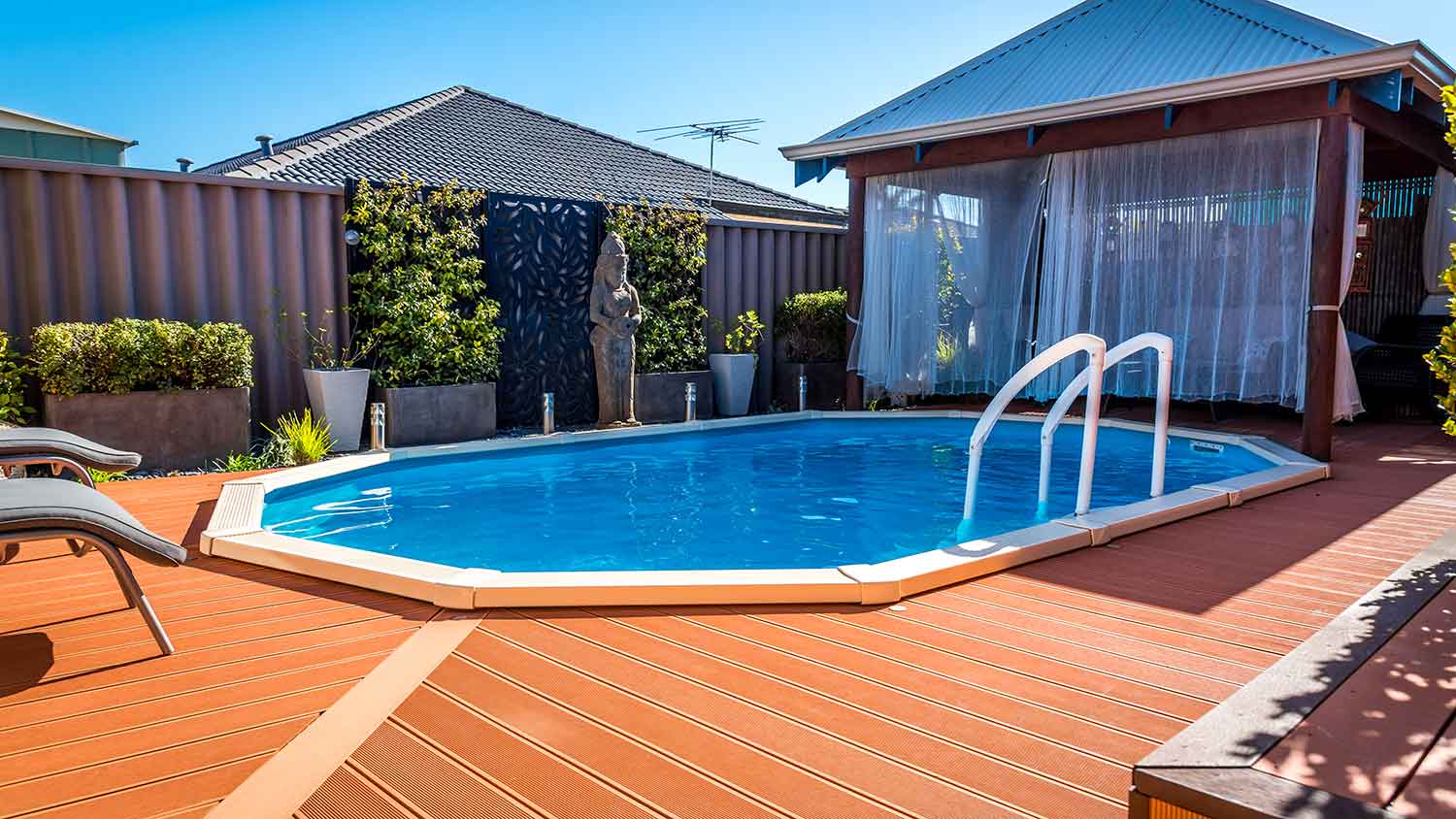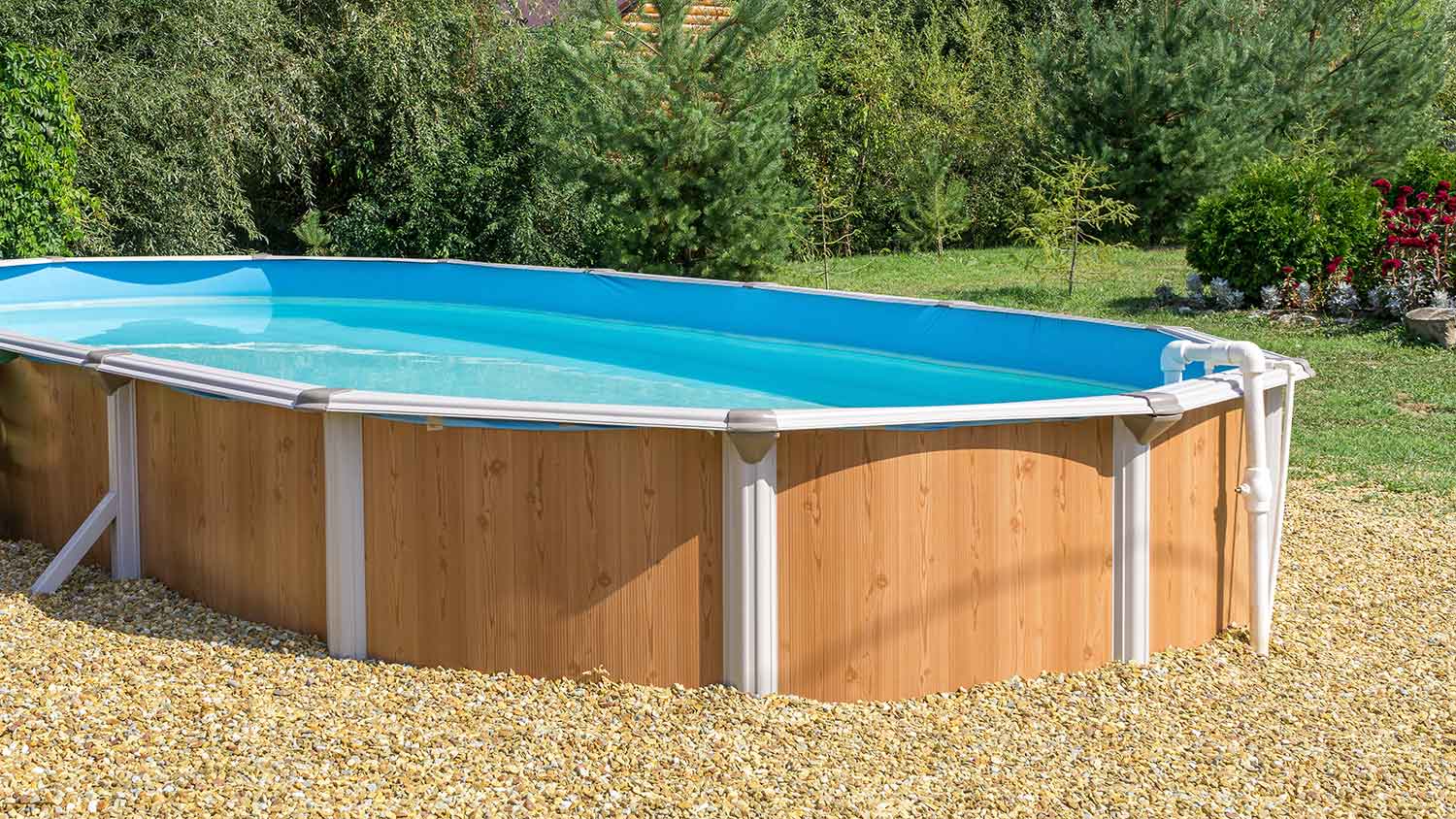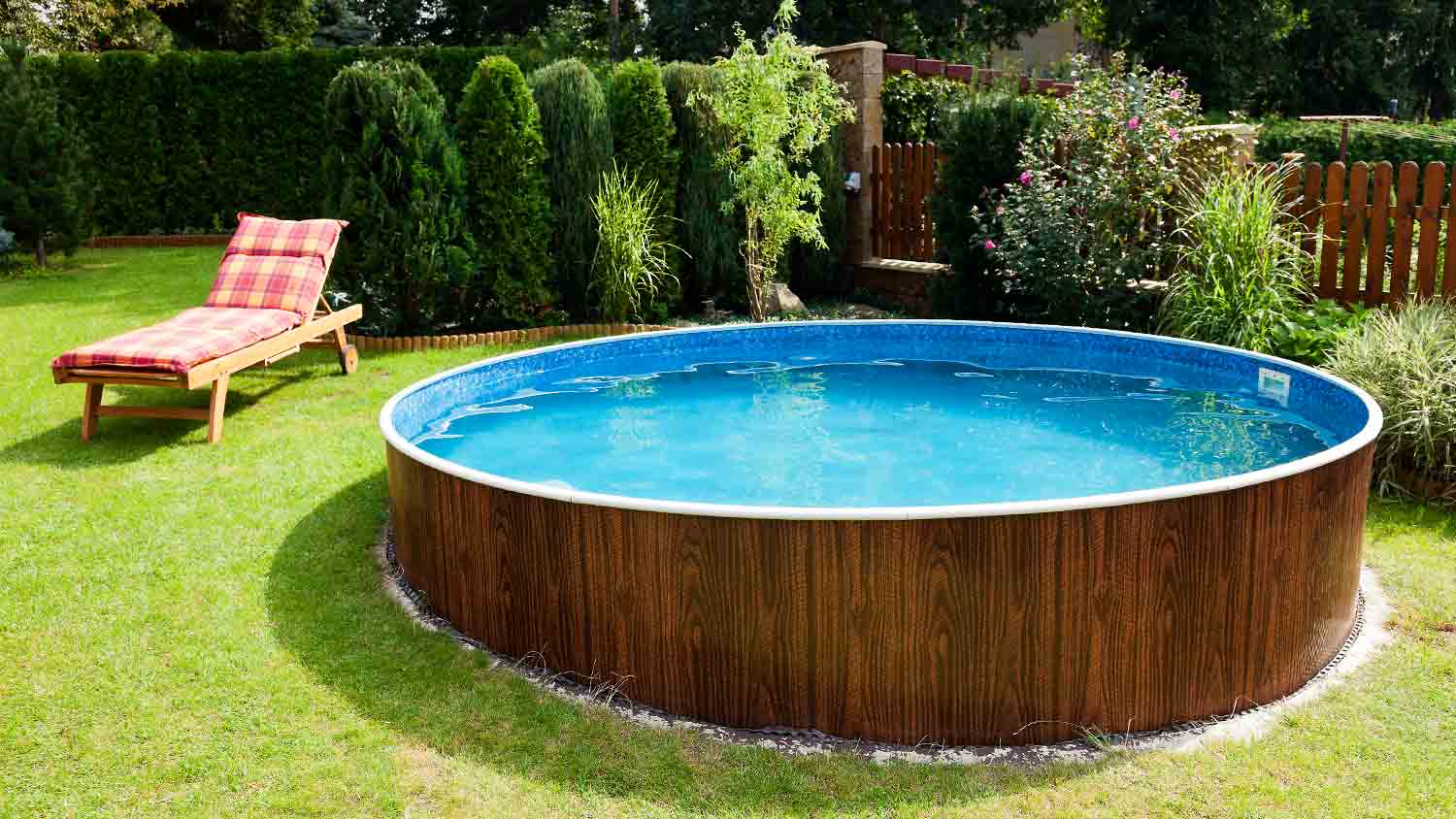




Top-rated above ground pool installation pros.

Get matched with top above ground pool installation pros in Augusta, WI

Enter your zip and get matched with up to 5 pros

Need a pro for your above ground pool installation project in Augusta, WI?

Select your specific project to find the pro for you.

Find Above ground pool installation pros in Augusta

Avatar for American Home Shield – Home Warranty
American Home Shield – Home Warranty
3.5(
5,688
)
Above Ground Swimming Pool or Accessories - Repair or Service

Serving Augusta, WI and surrounding areas

In business since 1971

Credit card accepted

"One oven doesn't work at all ( my choice, see above), the "working" oven was never calibrated properly so using it is hit or miss. It's time to call American Home Shield to see about replacing the entire unit. I'm waiting to finish other home projects before calling them. I don't know if I'll request Greenway again."
Additional Photos
Additional Photos
Additional Photos
Additional Photos
Additional Photos

+2

Recommended by65%of homeowners
Install Above Ground Pools questions, answered by experts

Yes, you should keep your pool pump running when adding salt, and leave it running for 24 to 48 hours. This will help circulate the salt to ensure even distribution. You will want to turn off your pool’s salt chlorine generator before adding salt and leave it off until it fully dissolves. Check your manufacturer’s instructions for steps specific to your saltwater pool maintenance.

It is generally not recommended to place a pool directly on grass. Doing so will kill the grass underneath, and the surrounding lawn may also be damaged by heavy foot traffic and splashes of chemically-treated water. For best results, create a clean, level surface by removing the grass and debris. You can then install a sturdier base using materials like sand, a concrete pad, or solid foam.

No, shock and chlorine are not the same thing, though they are related and both are used for pool maintenance. Regular chlorine, often in the form of tablets, is a sanitizer used for routine, day-to-day maintenance to keep a steady chlorine level. Pool shock, however, is a highly concentrated dose of chlorine used periodically for a more intense cleaning. It rapidly raises chlorine levels to fix issues like cloudy water or algae growth and also eliminates chloramines, which are byproducts of regular chlorination. Because their purposes and concentrations differ, they are not interchangeable, and proper pool care typically requires using both.

When you’re winterizing your pool, you need to drain some of the water to prevent cracking and warping from ice. Nonetheless, you should never drain all of the water. Ideally, you’ll lower the water level to anywhere from four to six inches below the skimmer. This will protect the structural integrity of the walls, help prevent your pool liner from warping, and reduce damage from debris.

No, you shouldn’t be able to taste the salt at all since saltwater pools only contain about 10% of the salt you’d find in ocean water. Saltwater pools do create some chlorine, though, so you should still try not to drink the water.

The Augusta, WI homeowners’ guide to above ground pool installation services

From average costs to expert advice, get all the answers you need to get your job done.