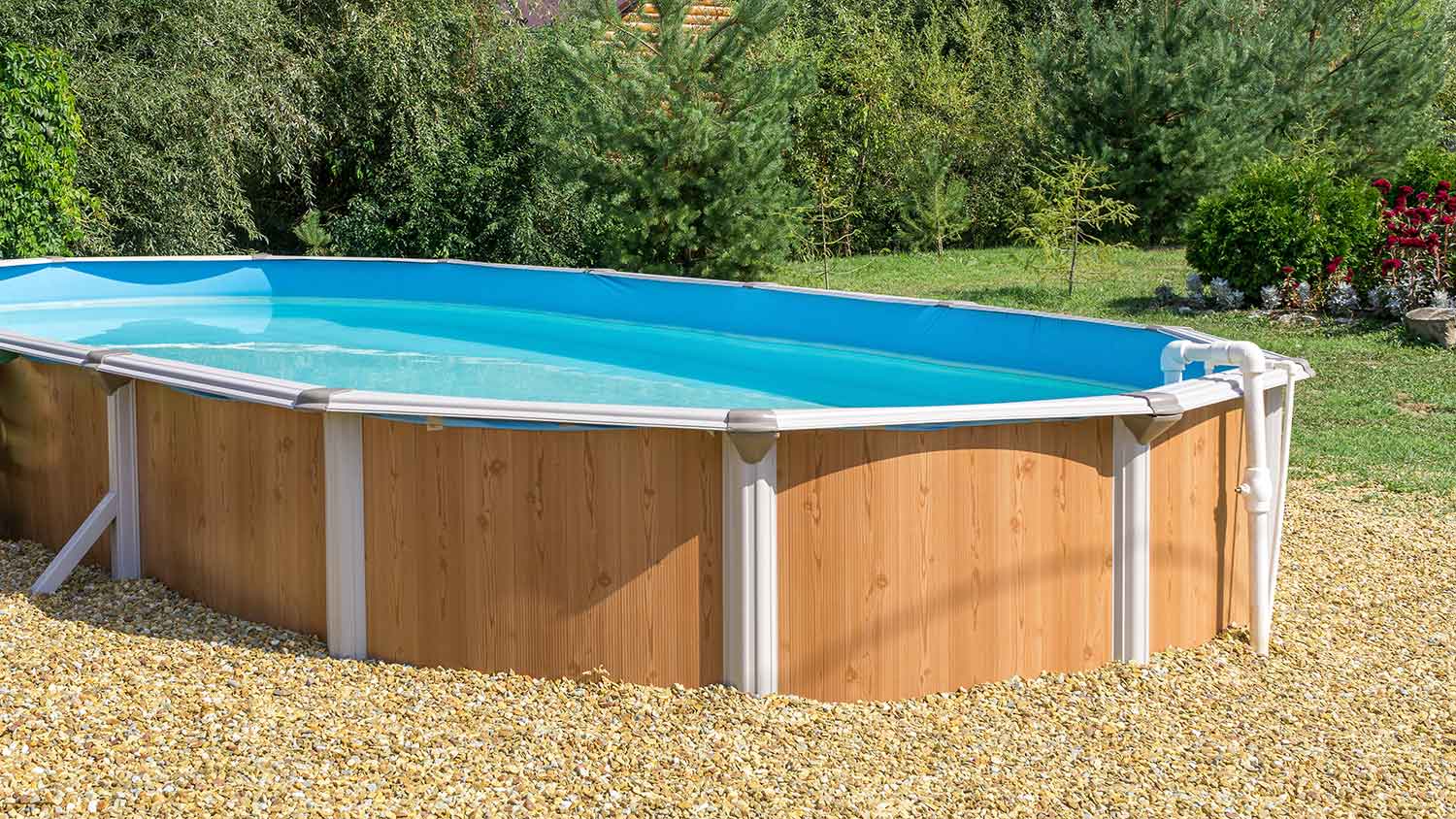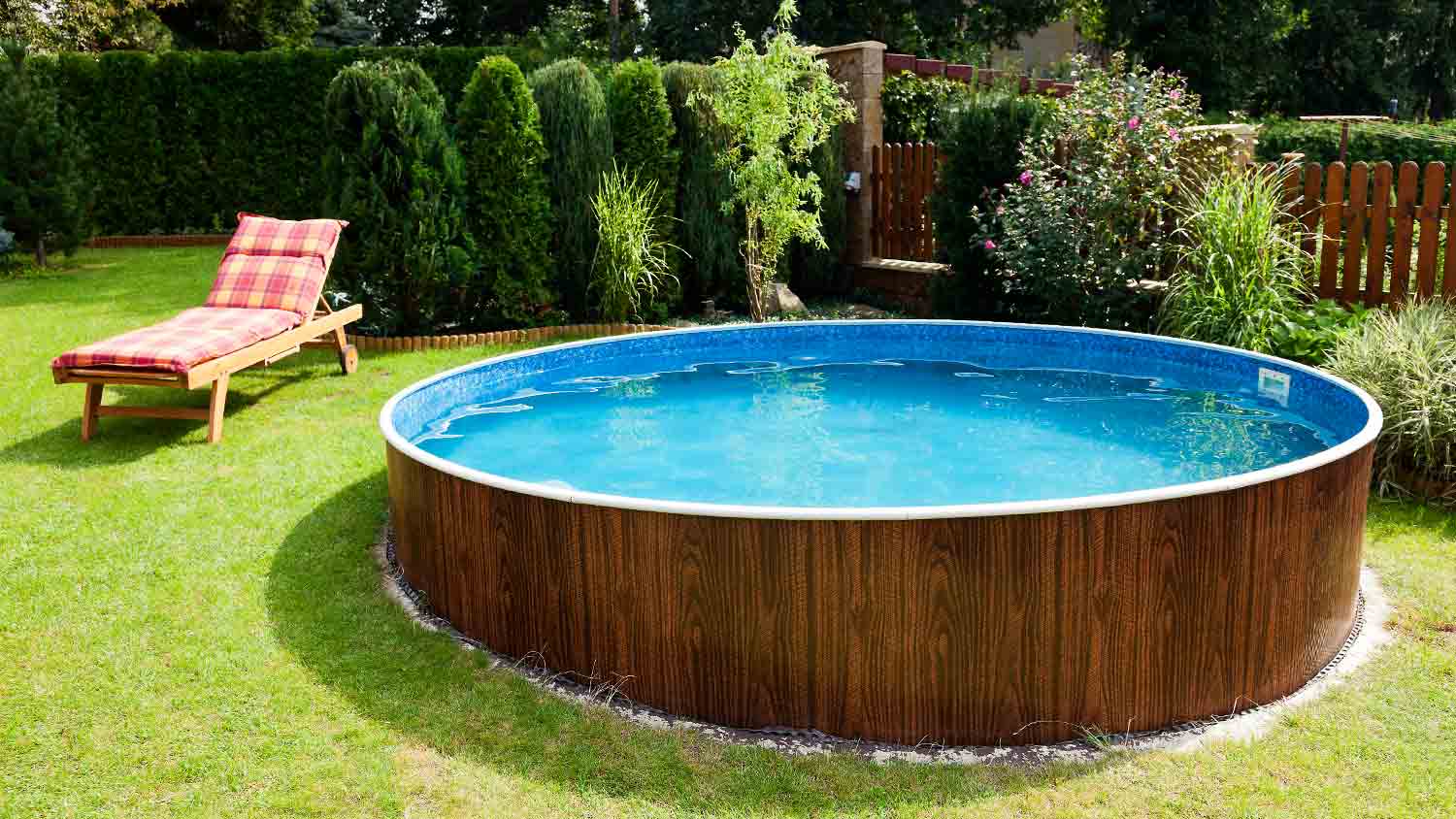




Top-rated above ground pool installation pros.

Best above ground pool installation pros near Strum, WI

Enter your zip and get matched with up to 5 pros

Need a pro for your above ground pool installation project in Strum, WI?

Select your specific project to find the pro for you.

Top-Rated Above ground pool installation pros in Strum - Updated Nov 2026

Avatar for American Home Shield – Home Warranty
American Home Shield – Home Warranty
3.5(
5,689
)
Above Ground Swimming Pool or Accessories - Repair or Service

Serving Strum, WI and surrounding areas

In business since 1971

Credit card accepted

"One oven doesn't work at all ( my choice, see above), the "working" oven was never calibrated properly so using it is hit or miss. It's time to call American Home Shield to see about replacing the entire unit. I'm waiting to finish other home projects before calling them. I don't know if I'll request Greenway again."
Additional Photos
Additional Photos
Additional Photos
Additional Photos
Additional Photos

+2

Recommended by65%of homeowners
Install Above Ground Pools FAQs, answered by experts

You'll feel the most comfortable in pool water between 78 and 82 degrees Fahrenheit. Lower temperatures are a bit brisk, while higher temperatures can lead to algae and cloudy pool water. Choose a pool heater that either runs automatically when your water dips below 78 or switch it on several hours before using the pool for the day.

You can place a pool alarm on the surface of the water or mounter underwater with motion detectors. Alarms placed on the surface will alert you if it detects wave movement. If mounted below the surface, known as "sub-surface,” the alarm detects changes in water pressure.

The generator in your saltwater pool conversion kit transforms sodium chloride—the same salt as table salt—into chlorine. A process called electrolysis sends electricity through the water to interact with the chlorine ion. This ultimately creates the chlorine that keeps your pool safe and clean. The cell in your saltwater chlorine generator is the part that converts the salt into chlorine.

Pavers are a great decking option for pools. They’re customizable, come in a variety of shapes, sizes, colors, textures, materials, and price points, and they’re slip-resistant. Concrete pool decks, on the other hand, are harder to repair and replace if damaged and aren’t as slip-resistant as most paver materials. However, not all pavers are equal in terms of durability, maintenance, and performance. Pavers also have their own cons that may encourage homeowners to opt for stamped concrete instead, such as higher upfront costs.

The total time to install an inground pool typically ranges from 8 weeks to 4 months. This timeline can be influenced by several factors, including permitting, site preparation, and the construction process itself.

Key phases and their typical durations include:

  • Permits: Obtaining necessary permits can take anywhere from two to six weeks.

  • Excavation and Site Preparation: This phase takes about a week but can be extended by problematic soil, unexpected ground conditions, or the need to move underground utility lines.

  • Construction: The actual build, including plumbing and electrical work, often takes one to two months. The pool material is a major factor here; a concrete pool needs about 30 days to cure, while installing a fiberglass or vinyl liner is much faster.

External factors can also cause significant delays:

  • Contractor Availability: Spring and summer are busy seasons, and high demand can lead to long waitlists, potentially adding months to your start date. It is often recommended to start planning and getting estimates up to a year in advance.

  • Other Delays: Weather, material shortages, complex designs, and other unforeseen challenges can extend the project timeline.

The Strum, WI homeowners’ guide to above ground pool installation services

From average costs to expert advice, get all the answers you need to get your job done.