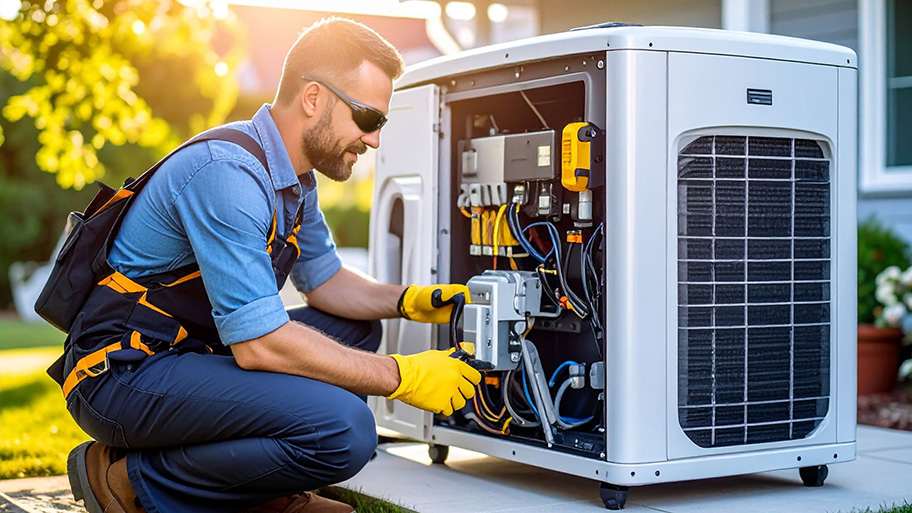






Top-rated generator install pros.

Best generator install pros near Milton, WA

Enter your zip and get matched with up to 5 pros

Need a pro for your generator install project in Milton, WA?

Select your specific project to find the pro for you.

TRUSTED BY MILTON, WA HOMEOWNERS

  • Average homeowner rating star icon4.9
    Average homeowner rating
  • Verified reviews icon12
    Verified generator installs reviews

Top-Rated Generator install pros in Milton - Updated Nov 2026

Avatar for SeaTown Electric Heating and Air
SeaTown Electric Heating and Air
4.7(
1,638
)
Fixed Generator - InstallFixed Generator - RepairPortable Generator - Install

Serving Milton, WA and surrounding areas

Approved

In business since 2014

Free estimates

Emergency services offered

"SeaTown installed a standby generator. They provided us with a wide range of options, and were very good about advising us of the ramifications and external costs associated with each. They coordinated permits, locates and utility requirements, making the process easy for us. The installers were courteous, respectful of our property, and did a fine job. We are now using them to install AC."
Seattle's Rewire Specialists
Generator
Tesla Chargers
Knob and Tube Removal
Ductless Install

+26

Response time1 day
12 neighbors recently requested a quote
Recommended by93%of homeowners

Avatar for The Juice Company, Inc.
The Juice Company, Inc.
4.3(
145
)
Generator - Install - For Business

Serving Milton, WA and surrounding areas

Approved

In business since 2005

Free estimates

Emergency services offered

"From estimate, to selection of The Juice Company, to scheduling, they made the entire process painless. Had 2 15 amp "peanut" breakers installed to replace an existing breaker and establish a new circuit, and 2 new outlets installed. We also had low voltage network cable roughed in so I could terminate it later, and everything was done not only properly, but quickly. I would definitely recommend them to anyone needing electrical work done in the South Sound region."
Hmart
Resturant in Hmart
Grocery
Hmart
Hamrt

+2

Response time1 day
Recommended by76%of homeowners
Avatar for First Choice Electrical, LLC
First Choice Electrical, LLC
4.6(
157
)
Fixed Generator - InstallPortable Generator - Install

Serving Milton, WA and surrounding areas

Approved

In business since 2017

Free estimates

Emergency services offered

"Nick went above and beyond to install my home car charger. He had to get through concrete in my crawlspace and installed the charger on the wall which I did not expect him to complete. The price was reasonable when compared to two other estimates. I would highly recommend First Choice."
Jeff measuring for panel layout
Lead Installer Jordan Prepping layout with Jeff
Roof-top picture
Solar with Energy Storage

+19

Response time2 days
Response rate96%
32 neighbors recently requested a quote
Avatar for Cummings, Inc.
Cummings, Inc.
4.3(
282
)
Fixed Generator - Install

Serving Milton, WA and surrounding areas

Approved

In business since 2008

Free estimates

Emergency services offered

"Arrived on time and worked diligently. The heat pump was installed and is running correctly. Cody was informative, efficient and I would highly recommend Cummings."
Coleman Furnace
Heat Pump Replacement
Heat Pump Install
Change out a Coleman Furnace
Boiler system

+1

Response time9 hrs
Response rate97%
226 neighbors recently requested a quote
...
Showing 1-10 of 86
Generator Install FAQs, answered by experts

To determine the right size generator for your house, you should calculate the total wattage of the appliances and devices you want to power during an outage. List all essential items, note their start-up wattages, and add them together.

Here are some typical wattage requirements for common appliances:

  • Refrigerator: 600 watts

  • Large dehumidifier: 700 watts

  • Large window air conditioner: 1,400 watts

  • Water heater: 3,000 to 4,500 watts

  • Electric furnace: 5,000 to 25,000 watts

A 7,500-watt generator might be sufficient for essentials like a refrigerator, freezer, well pump, and lighting circuits. However, for high-demand items like a water heater or furnace, a whole-home generator is a better choice. A portable generator may be enough if you only need to power a few critical items.

While home square footage can offer a rough estimate, it is not always a reliable indicator. For reference, here are some typical generator sizes based on square footage:

  • 1,000 sq ft: 6–9 kW

  • 1,500 sq ft: 7–10 kW

  • 2,000 sq ft: 10–14 kW

  • 2,500 sq ft: 12–16 kW

  • 3,000 sq ft: 16–20 kW+

For the most accurate sizing, consult a professional who can calculate your home's peak and average power consumption and recommend the optimal generator.

A 1,500 square foot home will likely need a 15kW to 20kW generator. When deciding on whole-house generator size, add up the total wattage of the devices that you’d like to continue running during a power outage. That way, you can ensure you purchase a generator that can power your necessary appliances or medical equipment during an electrical emergency.

Whole-house generators can run continuously for extended periods, even for weeks at a time (around 400 to 500 hours), as long as they have a sufficient fuel supply. However, this type of extensive use will increase wear and tear and can shorten the generator's overall lifespan. During long periods of operation, it's important to check and refill the engine oil as needed, potentially as frequently as daily depending on the model. If your generator uses a fuel tank, ensure it is kept full to prevent unexpected shutdowns.

The amount of time a standby generator can run continuously is around 3,000 hours on average. However, standby generators can generally run indefinitely as long as they have a continuous fuel supply. Generators hooked up to a home’s natural gas supply are the best option for extended usage, as these won’t rely on a finite fuel supply based on how much you have in storage. Generators running on liquid propane or diesel won’t last as long, as these require fuel storage and regular refueling to stay running.

Generators run on a variety of fuel types, ranging from natural gas to solar power. Keep in mind that fuel costs varying by type:

  • Natural gas: $2,000–$21,000 per year 

  • Liquid propane: $2,000–$21,000 per year

  • Diesel: $3,000–$20,000 per year

  • Gasoline: $500–$3,000 per year

  • Solar generator: $2,000–$25,000 per unit

  • Battery backup: $10,000–$25,000 per unit

The Milton, WA homeowners’ guide to generator installs

From average costs to expert advice, get all the answers you need to get your job done.