





Top-rated generator install pros.

Get matched with top generator install pros in Algona, WA

Enter your zip and get matched with up to 5 pros

Need a pro for your generator install project in Algona, WA?

Select your specific project to find the pro for you.

TRUSTED BY ALGONA, WA HOMEOWNERS

  • Average homeowner rating star icon5
    Average homeowner rating
  • Verified reviews icon12
    Verified generator installs reviews

Find Generator install pros in Algona

Avatar for SeaTown Electric Heating and Air
SeaTown Electric Heating and Air
4.7(
1,638
)
Fixed Generator - InstallFixed Generator - RepairPortable Generator - Install

Serving Algona, WA and surrounding areas

Approved

In business since 2014

Free estimates

Emergency services offered

"From the estimate with Tyler, to install, through follow up support, SeaTown was exceptional. They were not the cheapest, but Tyler took the time to understand our needs and answer all of our questions. Way more knowledgeable and friendly then the other two quotes we got. Tyler made it an easy choice to go with SeaTown."
Seattle's Rewire Specialists
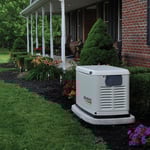
Generator
Tesla Chargers
Knob and Tube Removal
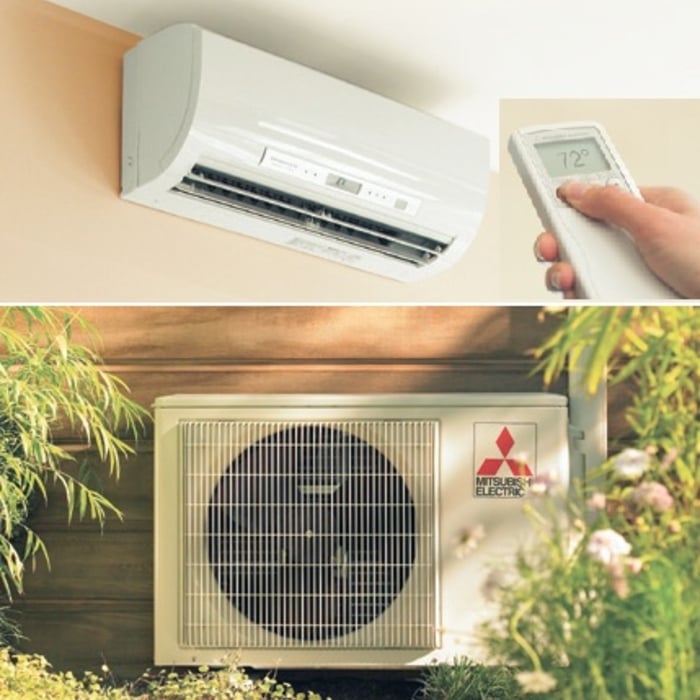
Ductless Install

+26

Response time1 day
10 neighbors recently requested a quote
Recommended by93%of homeowners

Avatar for The Juice Company, Inc.
The Juice Company, Inc.
4.3(
145
)
Generator - Install - For Business

Serving Algona, WA and surrounding areas

Approved

In business since 2005

Free estimates

Emergency services offered

"Needed to run 40 Amps to an outdoor heat pump. Made the appointment last minute, they showed up the day the heat pump was being put in. Figured out I could reorg my panel instead of add amps. Did the work immediately. Ran the outlet and charged me $1700 less than my other quote. I highly recommend the juice company."
Hmart
Resturant in Hmart
Grocery
Hmart
Hamrt

+2

Response time1 day
Recommended by76%of homeowners
Custom Electrical Contractors, Inc.
4.7(
40
)
Portable Generator - Install

Serving Algona, WA and surrounding areas

Approved

In business since 2005

Free estimates

Emergency services offered

"Jeremie and his companion did a very professional job, fixing the immediate problem, and giving us a verbal estimate of what he felt needed to be done to upgrade the basement circuits. His written estimate is to follow within a week or two. We were quite satisfied with his work."
Response time3 days
Recommended by100%of homeowners

Avatar for First Choice Electrical, LLC
First Choice Electrical, LLC
4.6(
157
)
Fixed Generator - InstallPortable Generator - Install

Serving Algona, WA and surrounding areas

Approved

In business since 2017

Free estimates

Emergency services offered

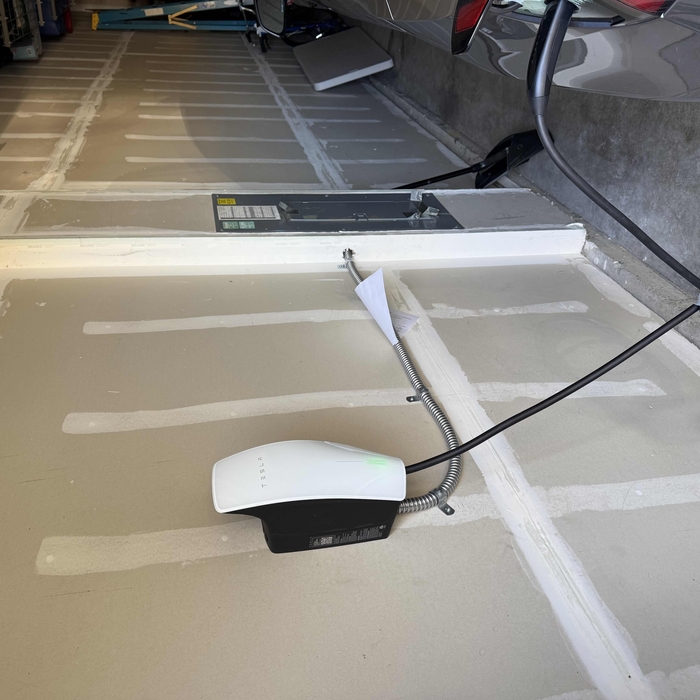
"Nick went above and beyond to install my home car charger. He had to get through concrete in my crawlspace and installed the charger on the wall which I did not expect him to complete. The price was reasonable when compared to two other estimates. I would highly recommend First Choice."
Jeff measuring for panel layout
Lead Installer Jordan Prepping layout with Jeff
Roof-top picture
Solar with Energy Storage

+19

Response time2 days
Response rate96%
63 neighbors recently requested a quote
...
Showing 1-10 of 90
Generator Install questions, answered by experts

To determine the right size generator for your house, you should calculate the total wattage of the appliances and devices you want to power during an outage. List all essential items, note their start-up wattages, and add them together.

Here are some typical wattage requirements for common appliances:

  • Refrigerator: 600 watts

  • Large dehumidifier: 700 watts

  • Large window air conditioner: 1,400 watts

  • Water heater: 3,000 to 4,500 watts

  • Electric furnace: 5,000 to 25,000 watts

A 7,500-watt generator might be sufficient for essentials like a refrigerator, freezer, well pump, and lighting circuits. However, for high-demand items like a water heater or furnace, a whole-home generator is a better choice. A portable generator may be enough if you only need to power a few critical items.

While home square footage can offer a rough estimate, it is not always a reliable indicator. For reference, here are some typical generator sizes based on square footage:

  • 1,000 sq ft: 6–9 kW

  • 1,500 sq ft: 7–10 kW

  • 2,000 sq ft: 10–14 kW

  • 2,500 sq ft: 12–16 kW

  • 3,000 sq ft: 16–20 kW+

For the most accurate sizing, consult a professional who can calculate your home's peak and average power consumption and recommend the optimal generator.

Yes. You can connect your home back-up battery to a generator with its designated charger. Be sure that the output of the generator matches the input requirements for the battery for best results.

While standby generators provide essential backup power, they can fail when you need them most due to lack of maintenance, fuel supply issues, dead batteries, electrical problems, or improper installation. To avoid costly failures, professional installation and regular maintenance are crucial. Licensed technicians ensure safety, uphold warranty requirements, comply with regulations, and provide expert servicing.

Generators are safe to use as long as they are installed and operated correctly according to the manufacturer's recommendations. The most critical safety tips are to never use a portable or fuel-powered generator inside an enclosed space due to the risk of lethal carbon monoxide poisoning; always operate it outdoors where fumes can dissipate away from your home. Additionally, never attempt to connect a generator to your home’s electrical panel yourself—hire a professional to ensure the setup meets safety standards. Finally, avoid overloading the generator by not connecting more appliances than it is rated for, as this can damage your equipment or cause a fire.

No, you should never plug a generator directly into a wall outlet in your house. This practice is extremely dangerous, often illegal, and can cause "back-feeding," where power from the generator flows back into utility lines, creating a life-threatening hazard for utility workers. It can also damage your home's electrical system, including appliances like pumps and HVAC fans. If the main power is restored while the generator is connected, it can destroy the generator and cause an electrical fire. To safely connect a generator, you must use a professionally installed transfer switch or an interlocking kit, which prevents back-feeding by disconnecting your home from the utility grid before the generator provides power.

The Algona, WA homeowners’ guide to generator installs

From average costs to expert advice, get all the answers you need to get your job done.