




Top-rated landscapers.

Get matched with top landscapers in Milton, WA

Enter your zip and get matched with up to 5 pros

Need a pro for your landscaping project in Milton, WA?

Select your specific project to find the pro for you.

TRUSTED BY MILTON, WA HOMEOWNERS

  • Average homeowner rating star icon4.2
    Average homeowner rating
  • Verified reviews icon438
    Verified landscaping services reviews

Find Landscapers in Milton

Avatar for Alejandre Landscaping
Alejandre Landscaping
4.8(
130
)
Lawn & Yard Waste Clean Up

Serving Milton, WA and surrounding areas

Approved

Super Service Award Winner

In business since 2015

Free estimates

Customers say: True professional

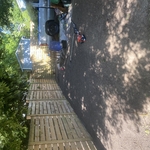
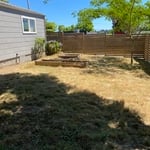
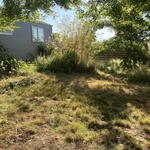
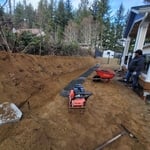
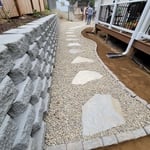
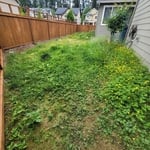
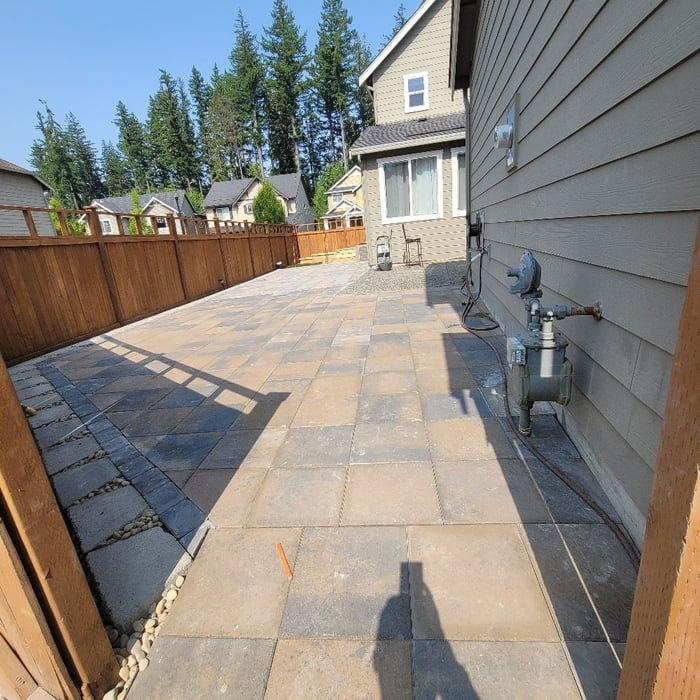
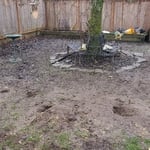
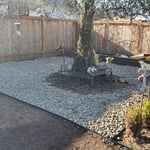
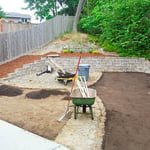
"Jesus and Mario did exceptional work on my yard. They transformed a very overgrown and weedy lot into a beautiful landscape. They even prepared a great space for me to put in some raised vegetable beds. Thanks to them, I’m looking forward to a great season in my yard. I highly recommend them and will give them a call for all my future landscaping needs"
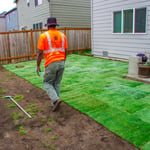
After picture
Before picture
Response time4 hrs
63 neighbors recently requested a quote
Recommended by81%of homeowners
RR Landscaping
5.0(
13
)
Landscape - Soil, Sand, Mulch and Rock DeliveryLawn & Yard Waste Clean UpLawn Care - Maintain and Mow a Lawn

Serving Milton, WA and surrounding areas

Approved

In business since 2021

Free estimates

Offers commercial services

"I highly recommend this Landscaper. He was on time for our scheduled estimate and offered to complete the work and offered to complete the job immediately. His work was thoughtful, professional and impressive. Within a couple of hours he hauled out tons of yard waste that would have taken me days to clear out and even removed leaves from my garden beds. My yard looked amazing. 5 stars"
Response time1 day
Recommended by76%of homeowners
Avatar for God's Green Earth, LLC
God's Green Earth, LLC
4.4(
103
)
Lawn & Yard Waste Clean UpLandscape - Install Landscaping for Yard or GardenSod - Install+4 more

Serving Milton, WA and surrounding areas

Approved

In business since 2013

Free estimates

Emergency services offered

"Very hard working crew. Cleanup of my flowerbeds and mulched, side yard cleaned out and landscape barrier and gravel installed, pressure washed all hard surfaces- sidewalks, driveway, concrete flowerbed borders. Everything I asked was done efficiently. I am very happy with the results."
Rock Garden
After!
Before and After
Before and After
Before and After

+9

Response time1 day
Response rate94%
27 neighbors recently requested a quote
...
Showing 1-10 of 896
Landscaping questions, answered by experts

Yes, you can put topsoil over sand to encourage grass growth. The topsoil will help to improve water retention and promote grass roots’ development, making it a recommended step of the seeding process. Adding a layer of topsoil will provide additional nutrients to the sandy soil, helping the grass grow and remain healthy through many seasons.

Surface-level tree roots might only pose a small threat, such as being a tripping hazard or obstacle when you mow your lawn. But if mature tree roots start growing in the direction of your home’s foundation or plumbing system, it could be a real problem. Cutting small tree roots out before they grow too large can keep your home safe without removing the whole tree.

The best landscaping for a septic drain field is shallow-rooted grass or native vegetation that helps prevent soil erosion while allowing water to evaporate efficiently. Avoid planting trees, shrubs, or deep-rooted plants near the drain field because the roots can infiltrate pipes and cause blockages. Using mulch or gravel sparingly can also help retain moisture and protect the system without restricting airflow.

As much as you might try to keep a healthy, nutrient-rich lawn, you still may notice signs of St. Augustine decline (SAD)—a viral disease that discolors your grass blades. St. Augustine decline looks like:

  • Discoloration in the leaves (chlorosis)—leaves appear yellow and splotchy

  • Decline in growth

  • Leaves turn black within 3 years

  • Grass appears less vibrant

  • Grass begins to thin

  • Root rot

  • Grass takes longer to recover

There are two main times of year to apply mulch: mid to late spring and late fall. Spreading mulch in mid to late spring helps protect new seedlings as the soil warms up. It's best to wait until temperatures are steady, as mulching too early in the spring can slow down the soil's warming process and hinder plant growth. Fall mulching is also beneficial, as it insulates the soil and helps regulate its temperature when the first frosts arrive.

The Milton, WA homeowners’ guide to landscaping services

From average costs to expert advice, get all the answers you need to get your job done.