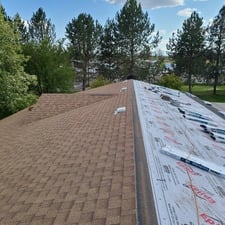
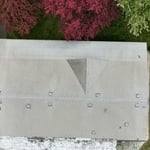
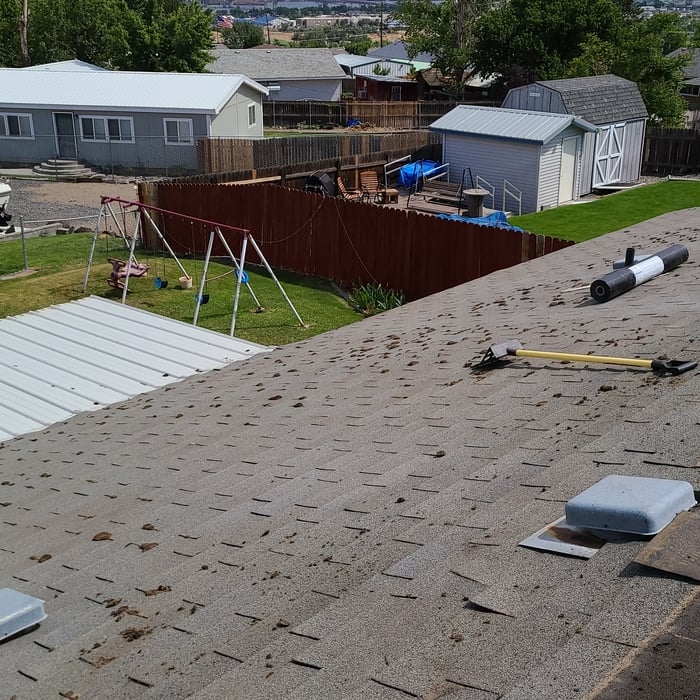
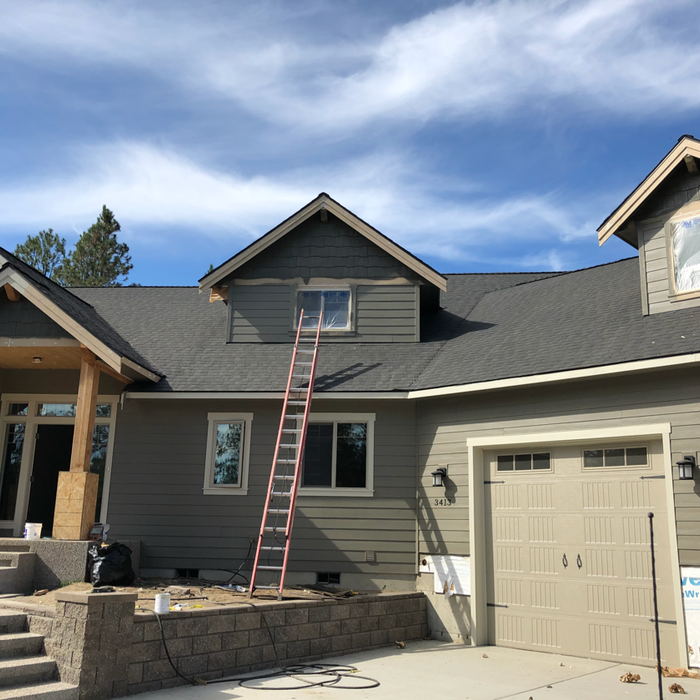
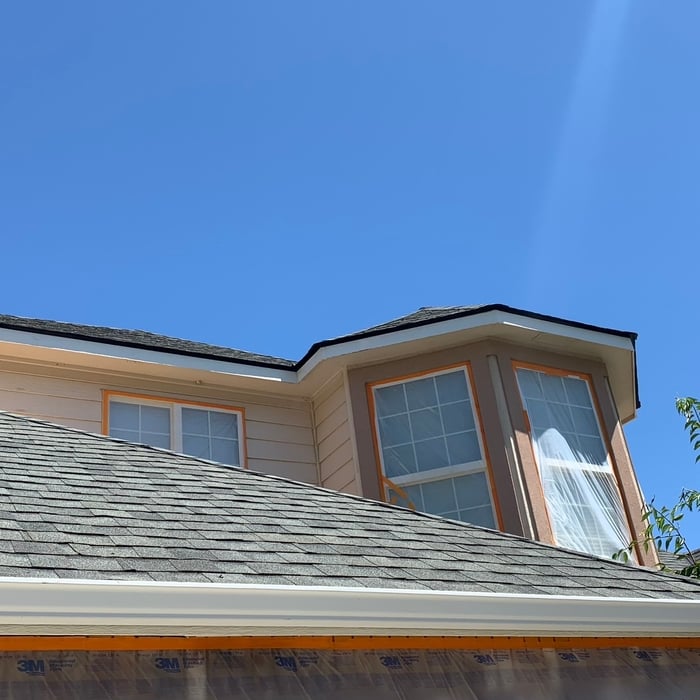
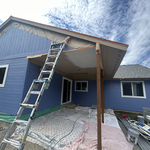
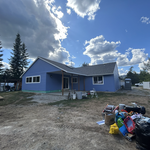
"Elias Contruction provided a detailed estimate after inspecting the roof and making some qualified recommendations. The project required a few change orders that were not clarified in writing. I would recommend hiring Elias if you get changes in writing. They cleaned up pretty well although they missed a few things due to finishing in the dark. Overall satisfied with the job and cost was 60% of other bids due to sheathing adjustment."
"JJ and his brother were very professional, punctual, and finished the job within the time frame stated. They worked long days and left their materials clean and tidy for the following day, We have them booked for more work this fall. "
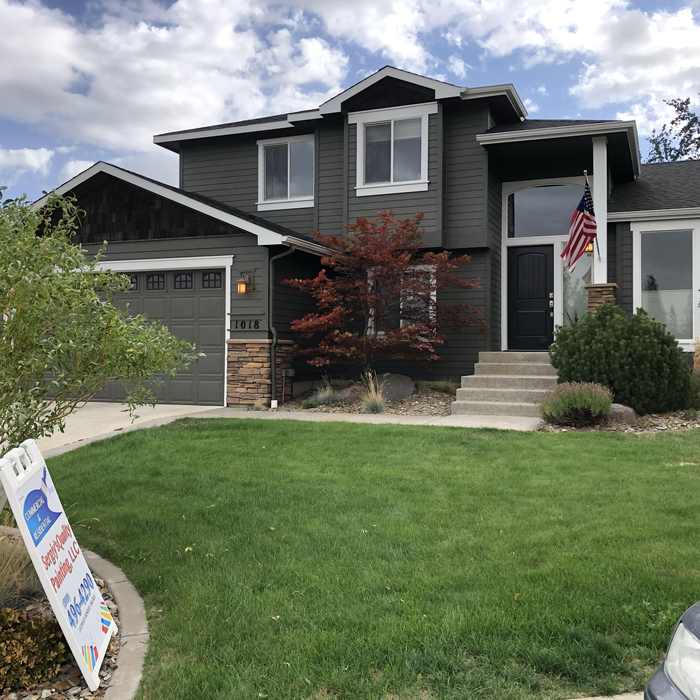
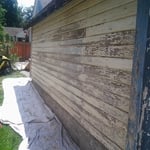
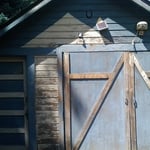
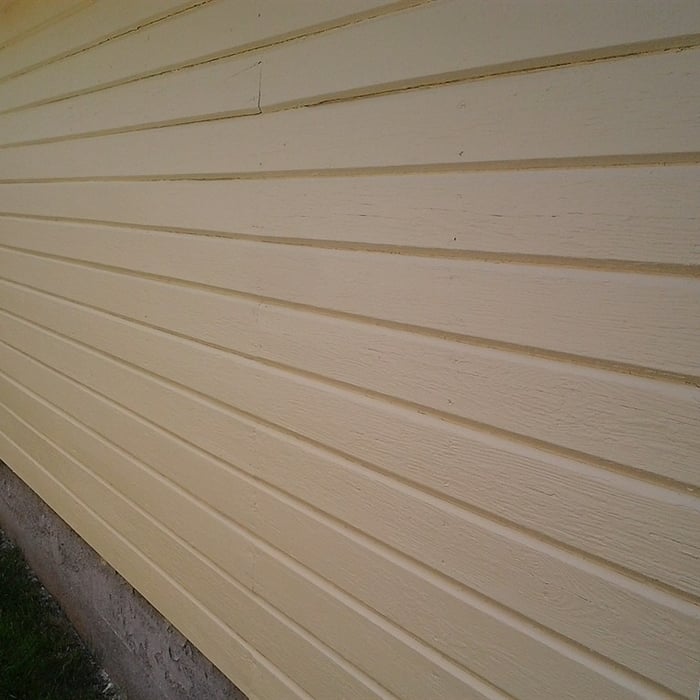
"The team from GP did an amazing job! In four days they powerwashed, sanded/caulked, and painted the exterior of my 1400sqft home. They were very communicative as they moved from phase-to-phase, so I was able to adjust my work-from-home tasks accordingly (no calls during the sanding!). The house itself had not been painted in about 30 years, and there was some moderate insect and snow damage, as well as some missing trim, all of which they repaired such that you now can't spot the patching! The cost was extremely reasonable. I would definitely recommend this painting company to anyone looking to refresh or repair the outside of their home. Please support small local family businesses!"
"They did a great job! They were very accommodating, helpful and had fair pricing. Even after the job was completed, they were willing to come back to touch up my front window trim after new windows were installed."
"Great! They arrived when they said they would. Great helpful upbeat attitude. Completed all tasks in a timely manner. Cleaned up any sawdust etc. I was happily impressed and will have them back."
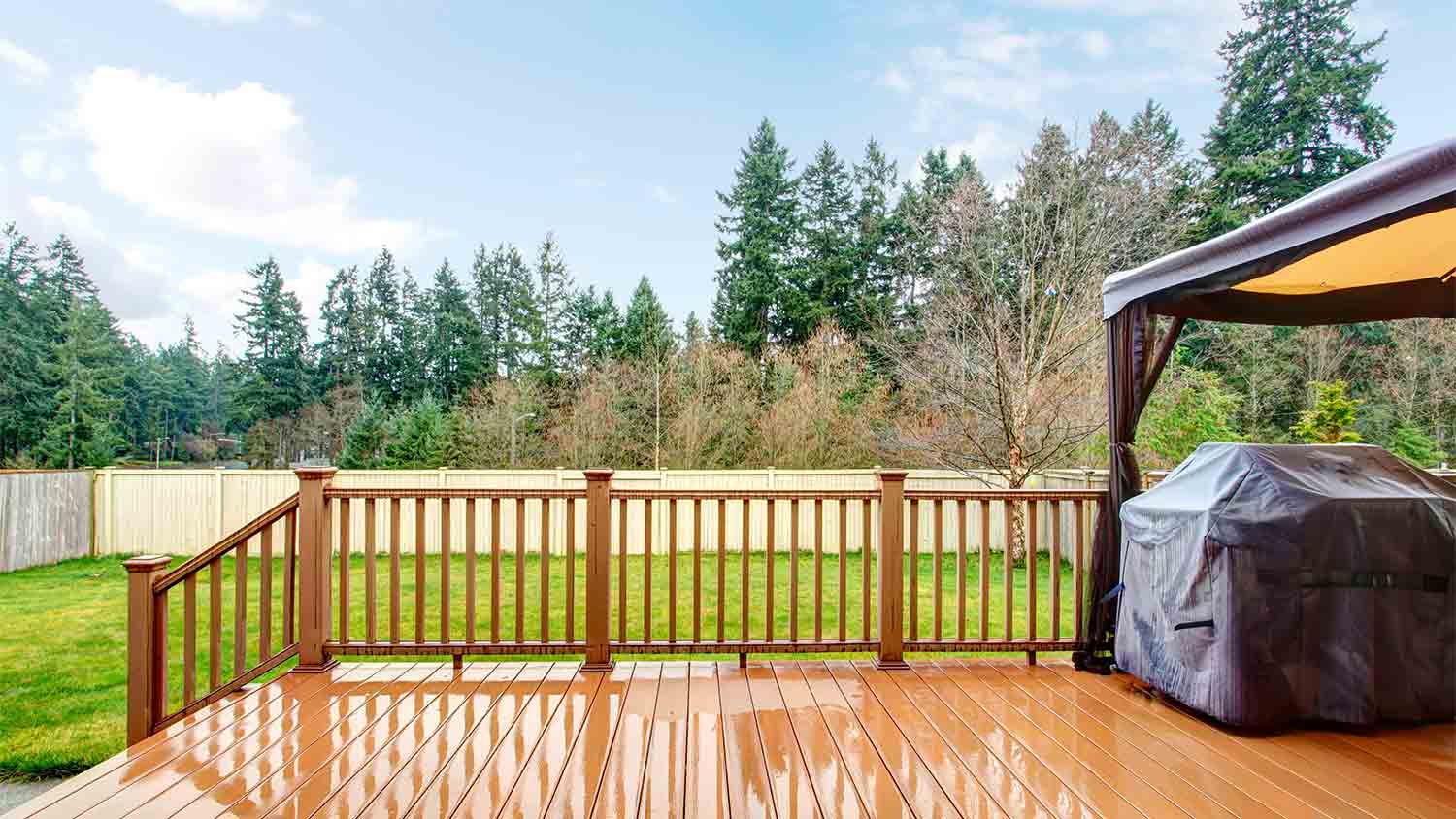
Choosing the right product involves understanding deck material, desired finish, and local weather conditions. Opt for high-quality, weatherproof formulations ensuring long-term durability and appearance retention.
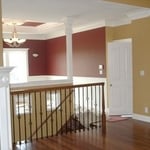
Opt for an interior wood stain that is rated for your type of wood. Consider your personal style preferences as well as the overall use of the room when choosing a color. Remember, the color you see at the store may look different on your actual floors once applied. This is why if you have the chance, it’s helpful to test a few options on a scrap piece of wood in the room first. Once you narrow it down, you can test a small patch on an inconspicuous area in the room to see it on the actual floors.
To change the color of your cinder blocks, you have two options. You can either paint them or stain them. Either way, you'll be able to choose from a wide range of color options. Some popular colors for cinder block painting include off-white shades and gray tones, which add a modern spin to the traditional gray blocks.
Whitewashing isn’t permanent, but it can last for a long, long time. When you apply it correctly or have a seasoned pro whitewash your brick, whitewashing can last for 20 to 30 years or longer. Whitewash is very durable and typically requires little maintenance, making it a great project for most DIYers.
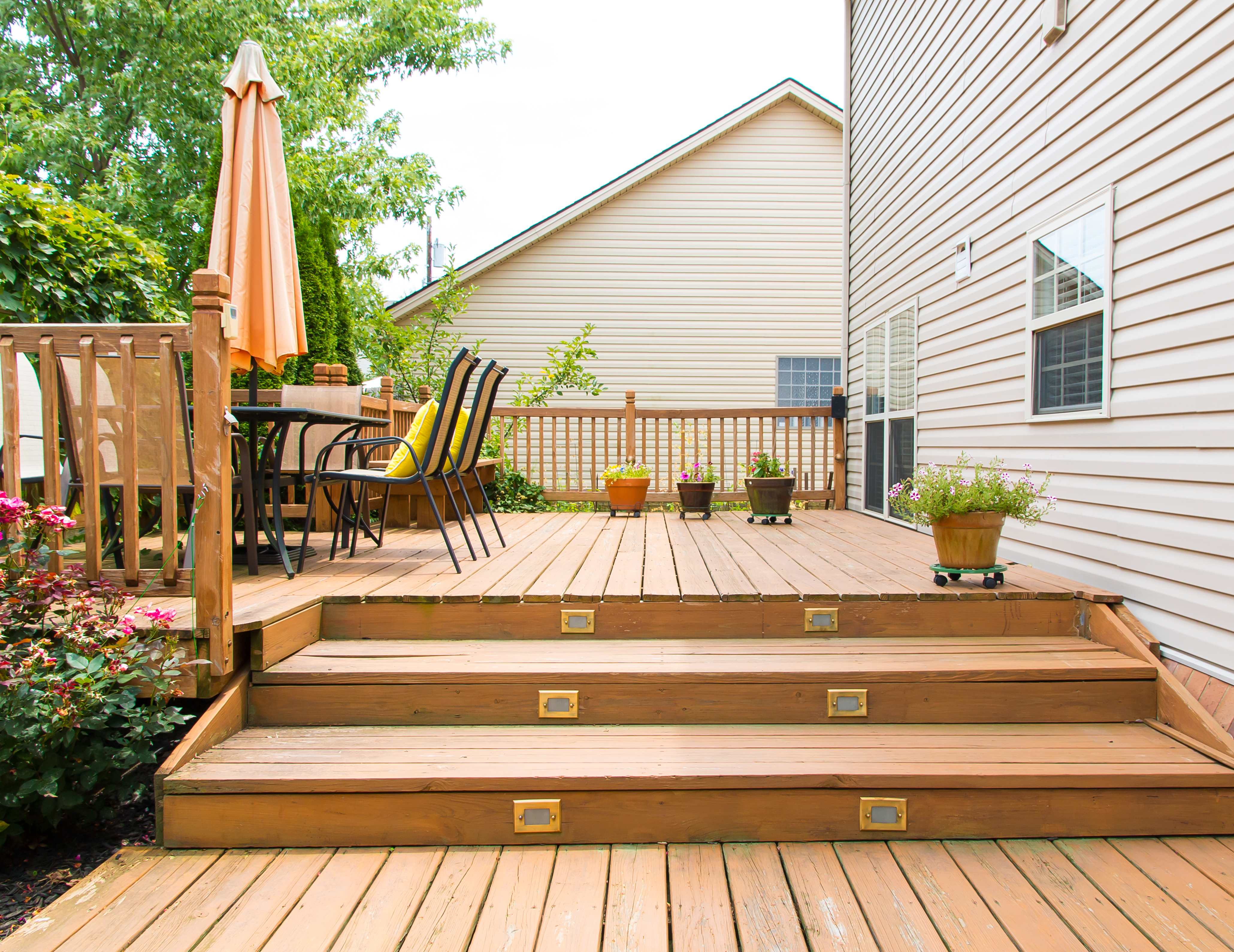
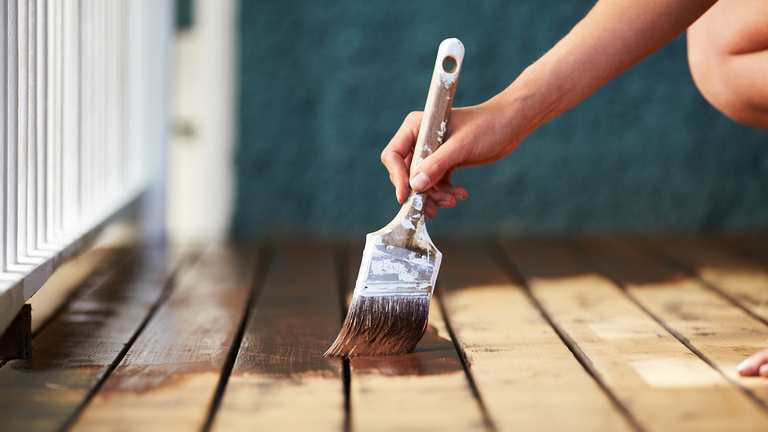
The staining or painting process involves cleaning the deck, sanding surfaces, applying a primer (if needed), and carefully applying stain or paint for an even, lasting finish.
The Harrington, WA homeowners’ guide to deck staining services
From average costs to expert advice, get all the answers you need to get your job done.
The best time to stain a deck is when it’s dry but not too sunny. How often you restain a deck depends on climate and wood type, but every two to three years is normal.