
Ready to take on the home from the outside? Why not start with its exterior paint? These tips help you paint your home's exterior surfaces without making costly mistakes. Learn how to paint the exterior of your home at a professional level.
One size does not fit all when it comes to exterior paint

Best overall: 100% acrylic latex suits most siding because it flexes, holds color, and resists cracking and mildew.
Match the surface: Use elastomeric on cracked masonry, urethane enamel on trim, and rust-inhibiting primer on bare metal.
Watch vinyl color: On vinyl siding, don't go darker than the original shade unless the paint uses a vinyl-safe formula.
Hiring a local exterior painting professional keeps your project on track with proper surface prep, primer application, and coats that last.
For most homes, 100% acrylic latex is the best all-around exterior paint. It flexes with your siding and resists fading, cracking, and mildew. The best paint for your exterior still depends on your surface and your climate.
Start with your surface, then adjust for your climate. Use this quick pick to narrow the field before you shop.
By surface:
Wood siding: Use 100% acrylic latex. On hardboard or masonite, apply an alkyd primer first, then the acrylic topcoat.
Vinyl siding: Use acrylic latex. Don't go darker than the original color, which warps the siding from heat, unless the formula is vinyl-safe.
Stucco, masonry, brick, and concrete: Choose elastomeric for cracked or exposed walls. Standard acrylic latex works on sound, uncracked brick.
Metal: Prime bare steel with a rust-inhibiting primer. On galvanized metal, use acrylic latex and never apply alkyd directly.
Trim and doors: Use acrylic urethane enamel or a urethane-alkyd hybrid in semi-gloss or gloss for a hard, smooth finish.
By climate:
Intense sun and UV: 100% acrylic holds its color better than oil or alkyd paint, according to Sherwin-Williams.
Freeze-thaw winters: Flexible acrylic expands and contracts with your siding and resists cracking.
Hot and humid areas: Look for a mildew-resistant label.
Weigh these factors together so you buy the right product once:
Surface material: Match the paint to wood, vinyl, masonry, metal, or trim.
Climate: Factor in sun, humidity, and freeze-thaw swings.
Durability: Higher-grade 100% acrylic resists fading and mildew longer.
Finish: Pick a sheen based on how much you want to hide or highlight.
VOC content: Water-based latex runs lower in VOCs than oil or alkyd paint.
Paint quality drives the cost to paint your house, so match the grade to how long you want the job to last.
These are the six exterior paint types you'll compare most often. For a wider view of coatings, see this guide to the types of paint.
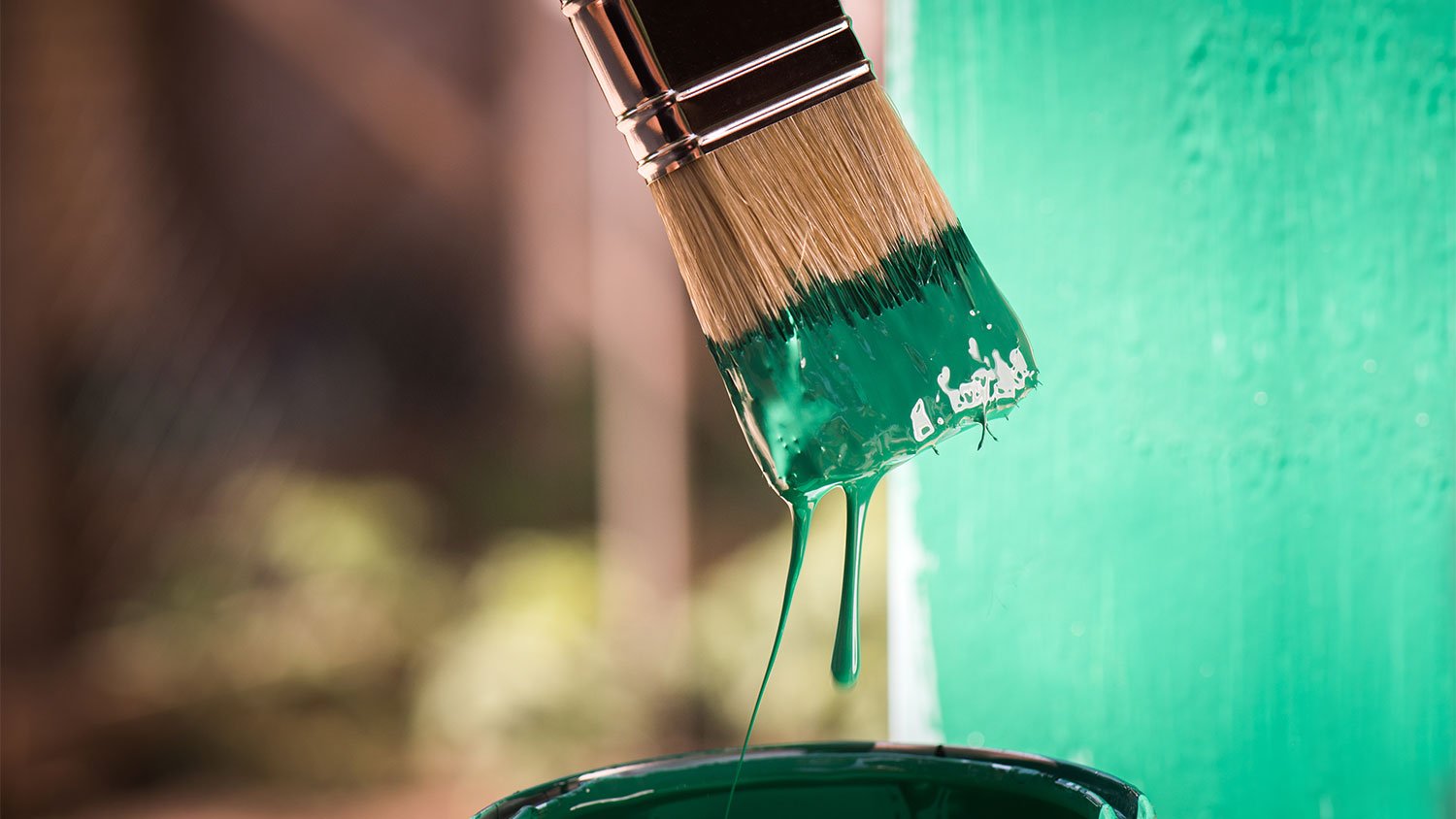
Best for: Water-based coverage on siding, fences, and large exterior areas.
Pros: Cleans up with water, dries fast, and gives low odor. It dries to the touch in an hour and recoats in four.
Cons: A basic latex film is softer and less durable than a 100% acrylic formula.
Choose a latex labeled 100% acrylic for the best durability and color retention on exterior siding.
Best for: All-around exterior use on wood, stucco, brick, and fiber cement siding.
Pros: 100% acrylic resin flexes with the surface and resists fading, cracking, and mildew. It breathes, so moisture vapor passes through instead of blistering the film.
Cons: Premium acrylic costs more per gallon than basic latex.
This is the pick for most homes. Look for a self-priming exterior formula rated for fade and mildew resistance.

Best for: Surfaces that need a hard, smooth finish under heavy use.
Pros: Oil-based paint is prized for durability and a hard, smooth finish that stands up to wear.
Cons: It runs high in VOCs, dries slowly at 6 to 8 hours, and recoats in 24 hours. Don't apply it over old latex.
Reserve oil-based paint for specific hard-wear jobs and check your local VOC rules before you buy.

Best for: Exterior doors, trim, and shutters that take frequent contact.
Pros: Alkyd is a synthetic oil-based paint that dries hard and smooth. Urethane-alkyd hybrids apply like oil but resist yellowing.
Cons: Traditional alkyd is high in VOCs and turns brittle over old latex, which causes peeling.
For new trim work, a urethane-alkyd or acrylic urethane enamel gives the hardness you want with less risk.

Best for: Concrete garage floors, steps, and other high-traffic surfaces.
Pros: Epoxy bonds hard to concrete and resists abrasion, stains, and chemicals.
Cons: It needs careful surface prep and has a limited working time once mixed.
Use epoxy where a floor takes foot or vehicle traffic, not on standard vertical siding.

Best for: Cracked or weather-exposed masonry, stucco, brick, and concrete walls.
Pros: This thick, flexible coating bridges hairline cracks and resists wind-driven rain.
Cons: It covers only about 75 to 125 square feet per gallon versus 350 to 400 for standard paint on smooth surfaces. That is roughly three to four times more product.
Plan for two coats, a longer recoat window of about 24 hours, and 30 days of cure time on new masonry before you paint. On sound, uncracked brick, standard acrylic latex is the better value.
Finish, or sheen, controls durability and how much a surface shows flaws. For a deeper look, see our guide to the best exterior paint sheen.
Flat hides surface imperfections and works well on older siding. It resists scrubbing less than glossier finishes.
Eggshell adds a soft sheen and holds up better than flat. Use it on siding that needs light cleaning.
Satin balances durability and easy cleaning. It is a strong choice for siding and trim on most homes.
Use semi-gloss on trim, doors, and shutters. Its hard, smooth surface cleans easily and highlights details.
High-gloss delivers the most durability and shine. It draws the eye to architectural details and stands up to frequent cleaning.
Every paint blends three parts: pigment for color, a binder that forms the film and grips the surface, and a solvent that keeps it liquid until it dries. The binder decides durability, flexibility, and adhesion. In 100% acrylic paint, acrylic resin is the binder, which is why the film flexes with your siding and holds its color.
Timing and prep protect your work as much as the paint you choose. Before you start, prep your home's exterior with a clean, sound surface.
Do paint when temperatures sit around 50°F to 90°F, and check the product label for the exact range.
Do keep humidity under 70% and the surface at least 5°F above the dew point, an industry standard Benjamin Moore cites.
Don't paint over loose or peeling paint. Scrape and sand it off first, as Sherwin-Williams advises.
Don't apply alkyd or oil paint over old latex, which turns brittle and peels.
For more setup and application help, review these exterior painting tips before your first coat.
Custom Paint Jobs LLC took our exterior from drab to fab! We couldnt be happier.
 Custom Paint Jobs, LLC
From average costs to expert advice, get all the answers you need to get your job done.
Ready to take on the home from the outside? Why not start with its exterior paint? These tips help you paint your home's exterior surfaces without making costly mistakes. Learn how to paint the exterior of your home at a professional level.
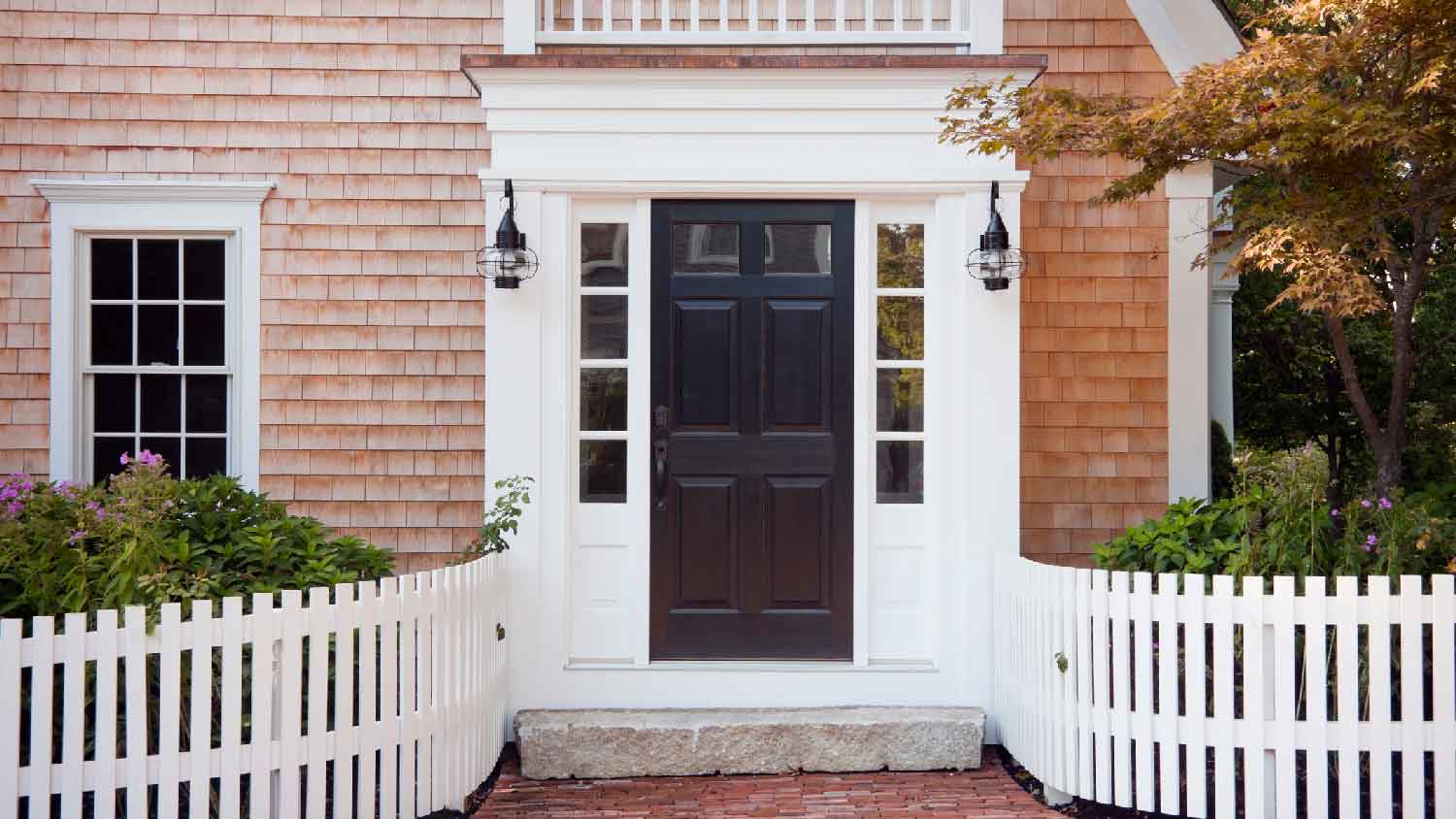
Picking the best exterior door paint for your home will depend on factors like the type of door material and the desired aesthetic.
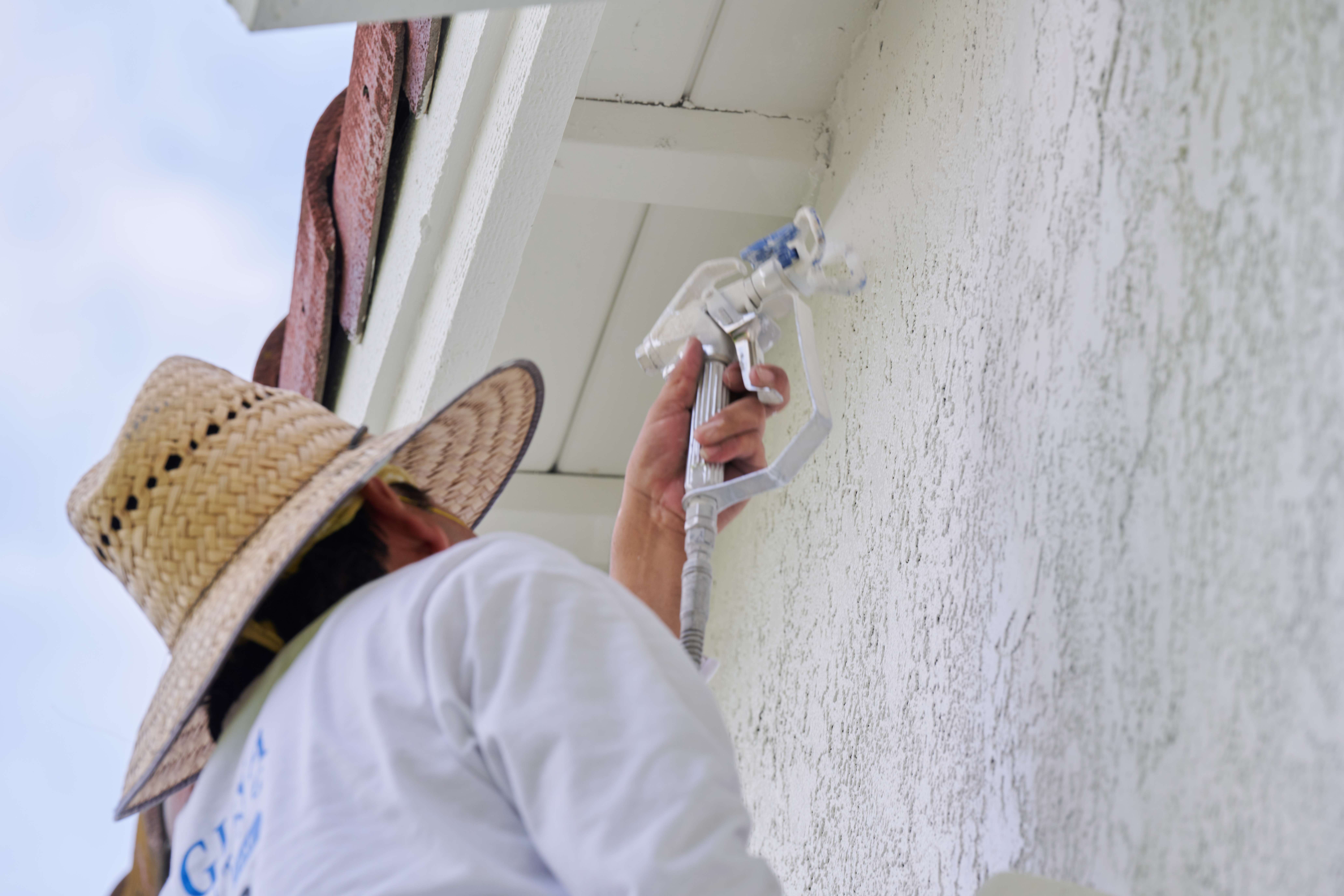
Whether you opt for low-luster or high-gloss depends on budget, skill, aesthetics, and material. Learn how to pick the best sheen for exterior paint projects.
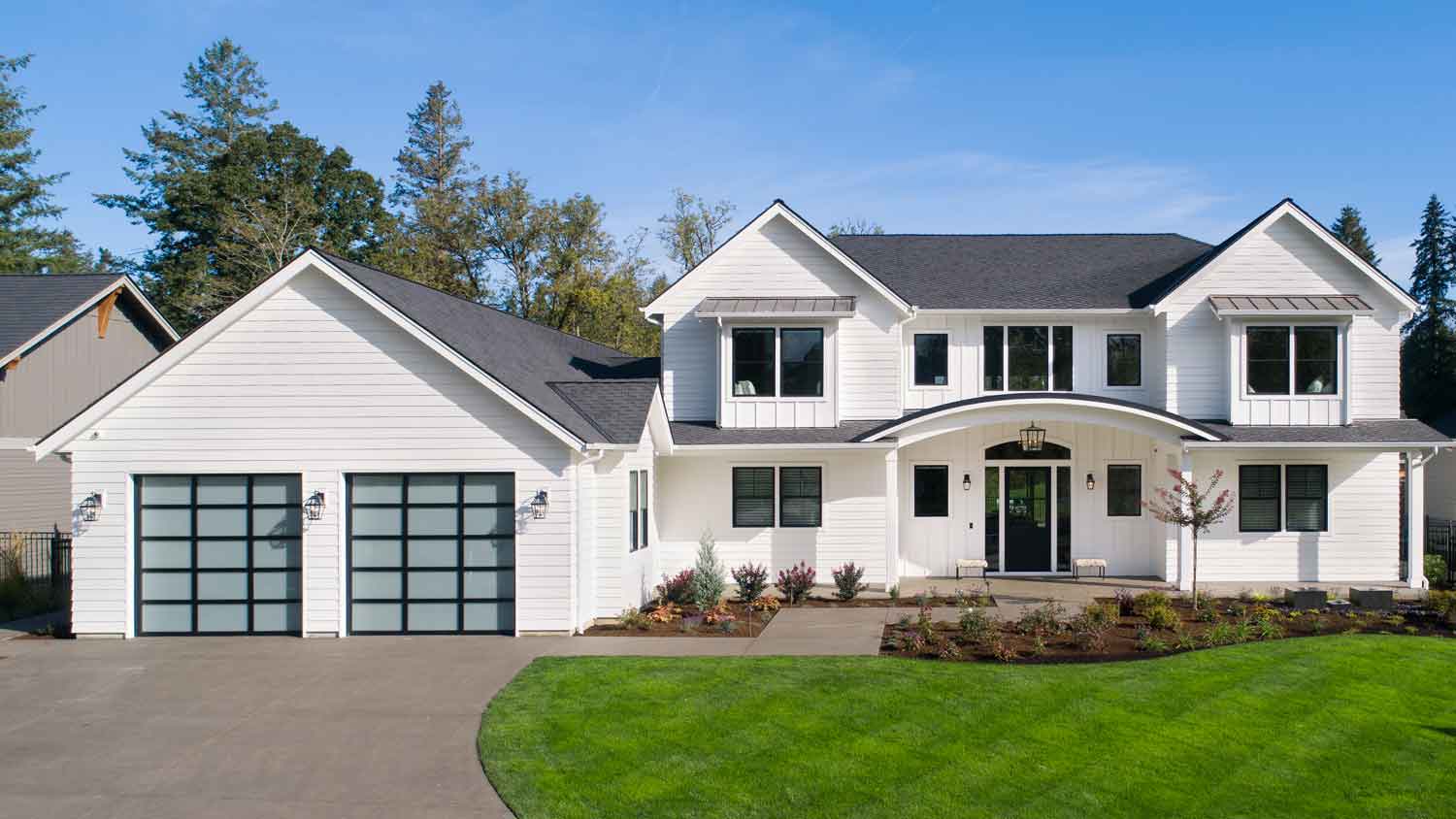
Compare the best exterior house paint colors like white, greige, blue, sage, and gray, and learn how to choose the right shade. Find local pros to paint.

Knowing what type of paint is ideal for your project will give you the best results. Learn about different types of paint and what to use them for.
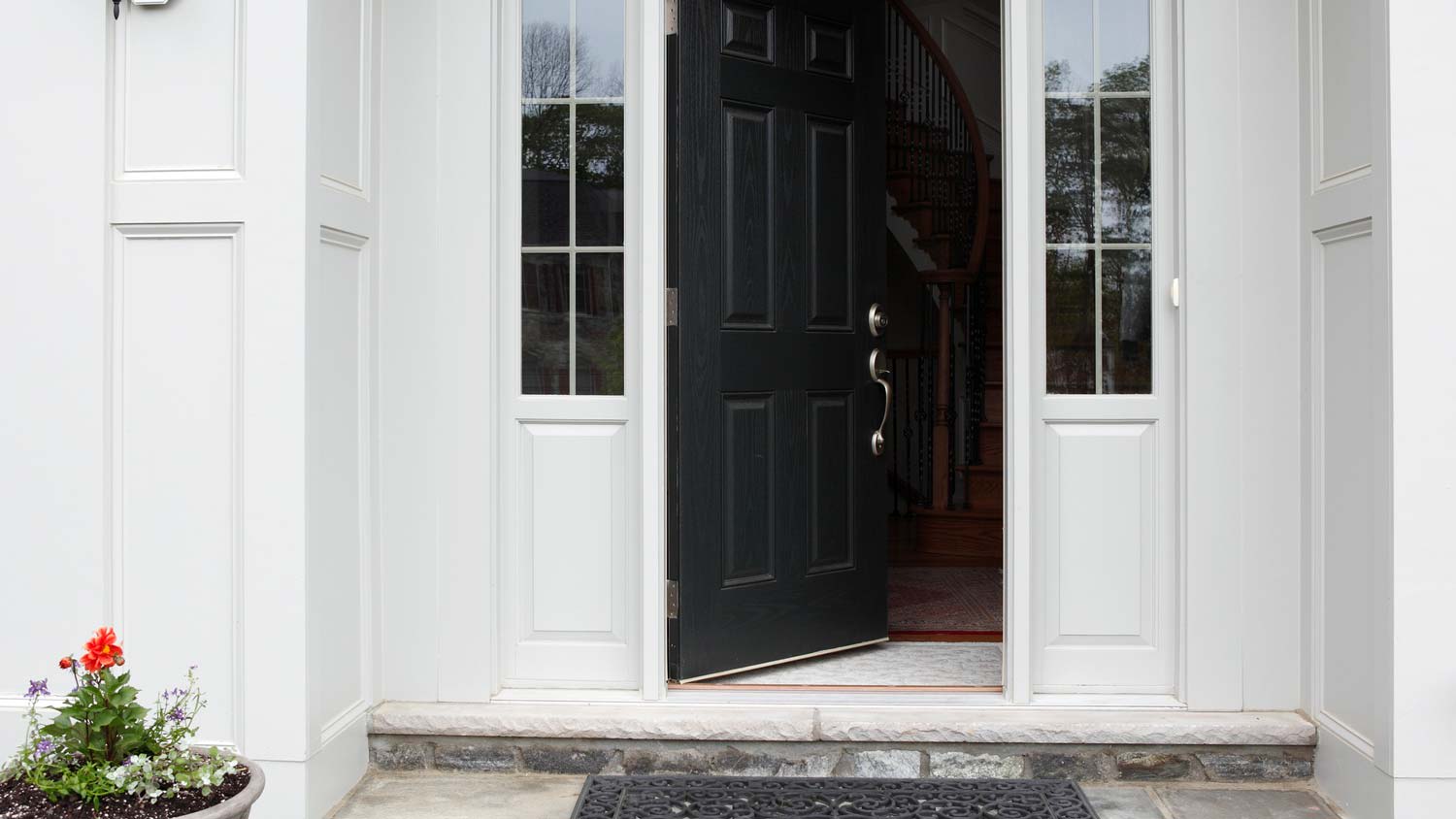
What’s the best paint for exterior fiberglass doors? We explore eight colors that are sure to make your front door or your back door sing.