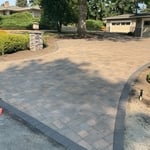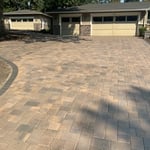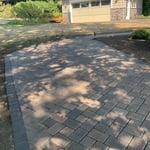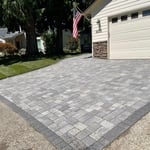


Top-rated paving pros.

Get matched with top paving pros in Camas, WA

Enter your zip and get matched with up to 5 pros

Need a pro for your paving service project in Camas, WA?

Select your specific project to find the pro for you.

TRUSTED BY CAMAS, WA HOMEOWNERS

  • Average homeowner rating star icon4.5
    Average homeowner rating
  • Verified reviews icon265
    Verified paving services reviews

Find Paving pros in Camas

Avatar for Forest Landscape Inc
Forest Landscape Inc
4.5(
271
)
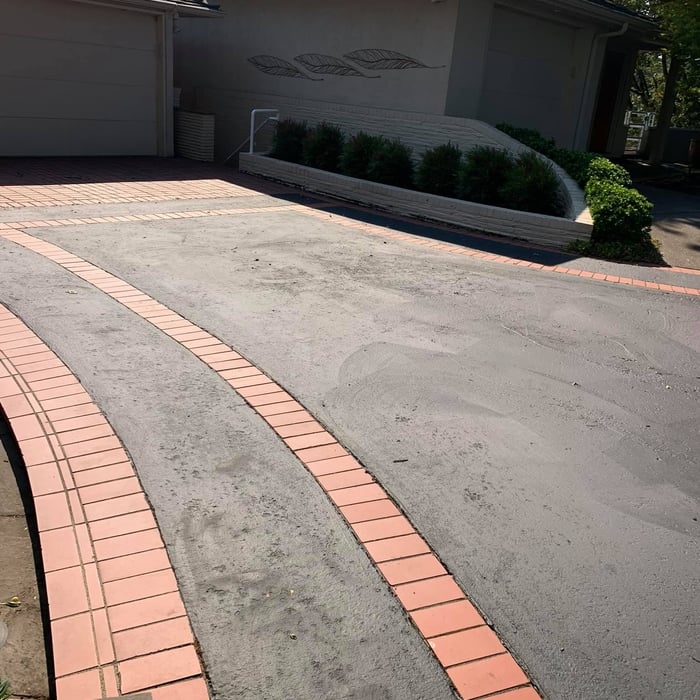
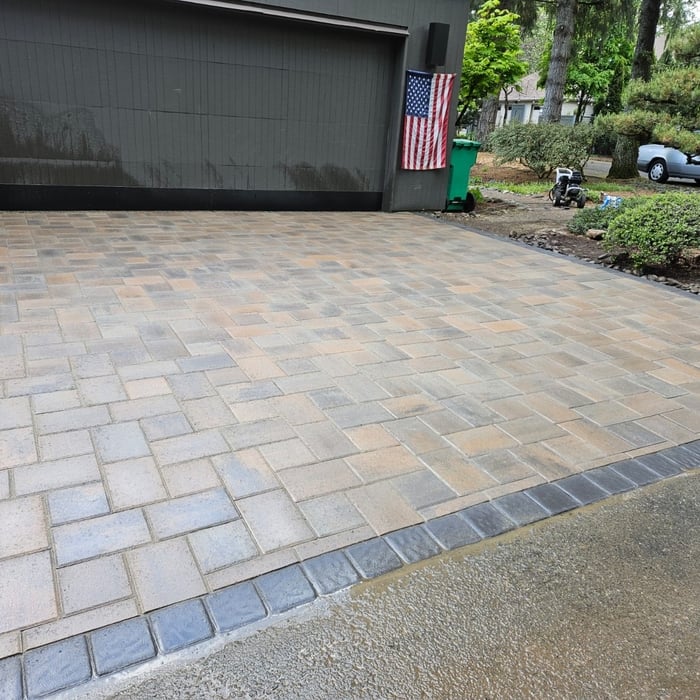
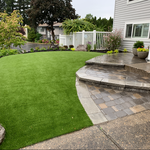
Interlocking Pavers for Patios, Walks & Steps - Install

Serving Camas, WA and surrounding areas

Approved

In business since 1999

Free estimates

Emergency services offered

"Extremely well. Rigo and the guys we’re fantastic. Andres and crew work on the irrigation and the plants. Rosario & Luis on the concrete. Also a big thanks to Linda for overall design. Very friendly and nice people. If you are thinking about landscaping give them a call."
Additional Photos
Additional Photos
Additional Photos
Additional Photos
Additional Photos

+87

Response time1 day
Response rate100%
7 neighbors recently requested a quote
Near Me Roofing Company
5.0(
74
)
Asphalt Paving - Repair or PatchInterlocking Pavers for Patios, Walks & Steps - Install

Serving Camas, WA and surrounding areas

Approved

In business since 2012

Free estimates

Credit card accepted

"A fantastic service was provided by Near Me Roofing Company. Ari was always prompt and extremely organised in providing information, tile samples and quotes for my new roof installation. He made the whole process easy to understand and provided an excellent solution to an issue I was having with my guttering. I highly recommend his services."
Response time4 days
Recommended by80%of homeowners
Avatar for Sta-Built Construction LLC
Sta-Built Construction LLC
4.3(
116
)
Interlocking Pavers for Patios, Walks & Steps - Install

Serving Camas, WA and surrounding areas

Approved

In business since 2015

Free estimates

Warranties offered

"With many service companies, I believe communication seems to be the most challenging as some job sites aren't close to a tower. I am very happy and would love to share before/after photos."
Demntional Steps
Small Patio Area with Privacy Fence
Small Accent Wall
Paver Driveway
Paver Driveway

+70

Response time1 day
102 neighbors recently requested a quote
Recommended by90%of homeowners
...
Showing 1-10 of 141
Paving Services questions, answered by experts

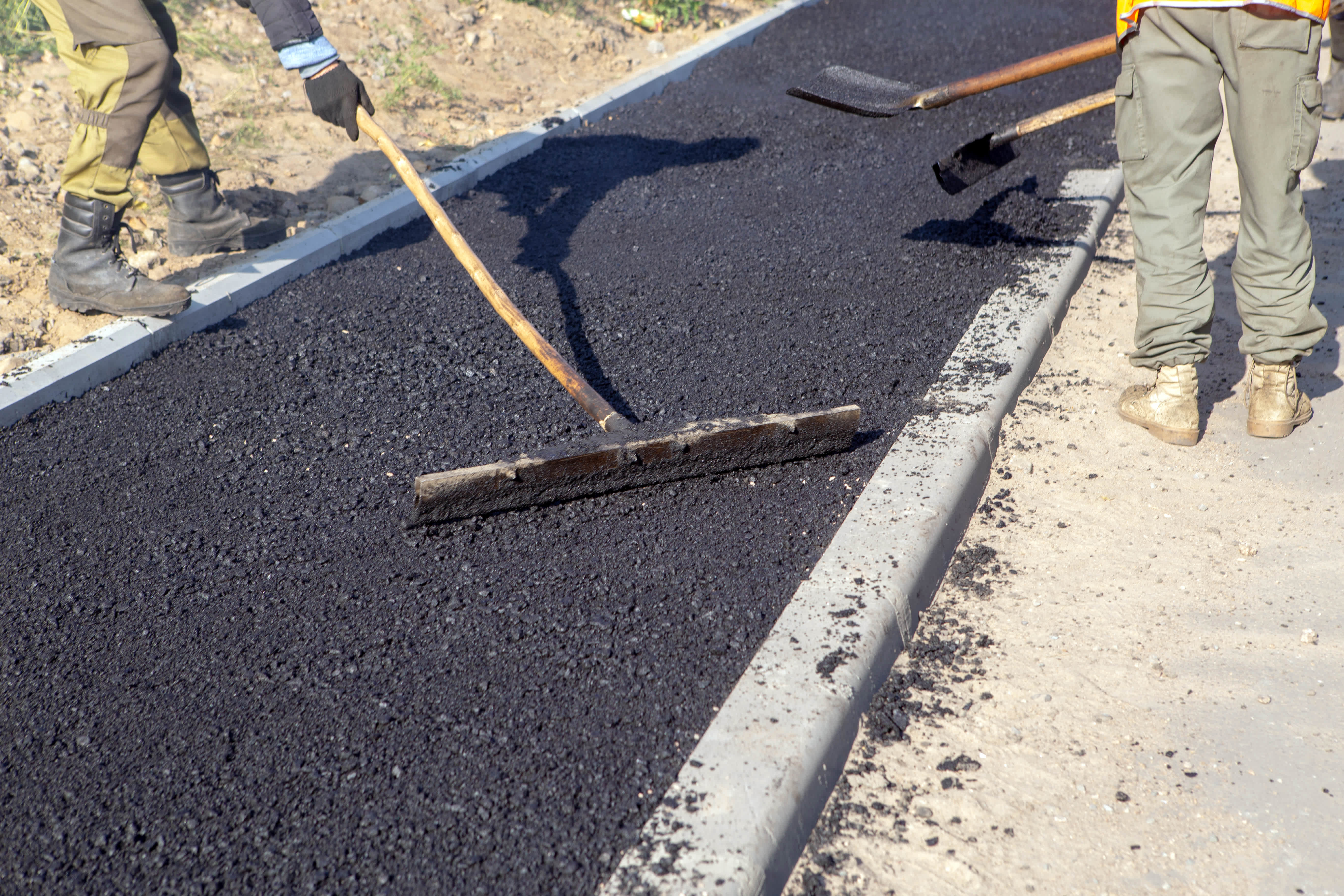
Three inches is a great thickness for a residential asphalt driveway that sees minimal to moderate traffic from cars, SUVs, and pickup trucks. However, a thicker driveway can better withstand the weight of a heavier vehicle, such as a trailer or a recreational vehicle. If you drive a heavy vehicle on a thin driveway, you risk cracking and damaging it.

Generally speaking, tiles are for indoor use, while pavers are for outdoor use. The main difference between travertine tiles and pavers is their thickness. Tiles are around 1/2 inch thick, and pavers are 1 1/4 inches to 2 inches thick.

Pavers are more rugged and can handle different weather. The extra thickness on pavers also makes them ideal for high-traffic areas.

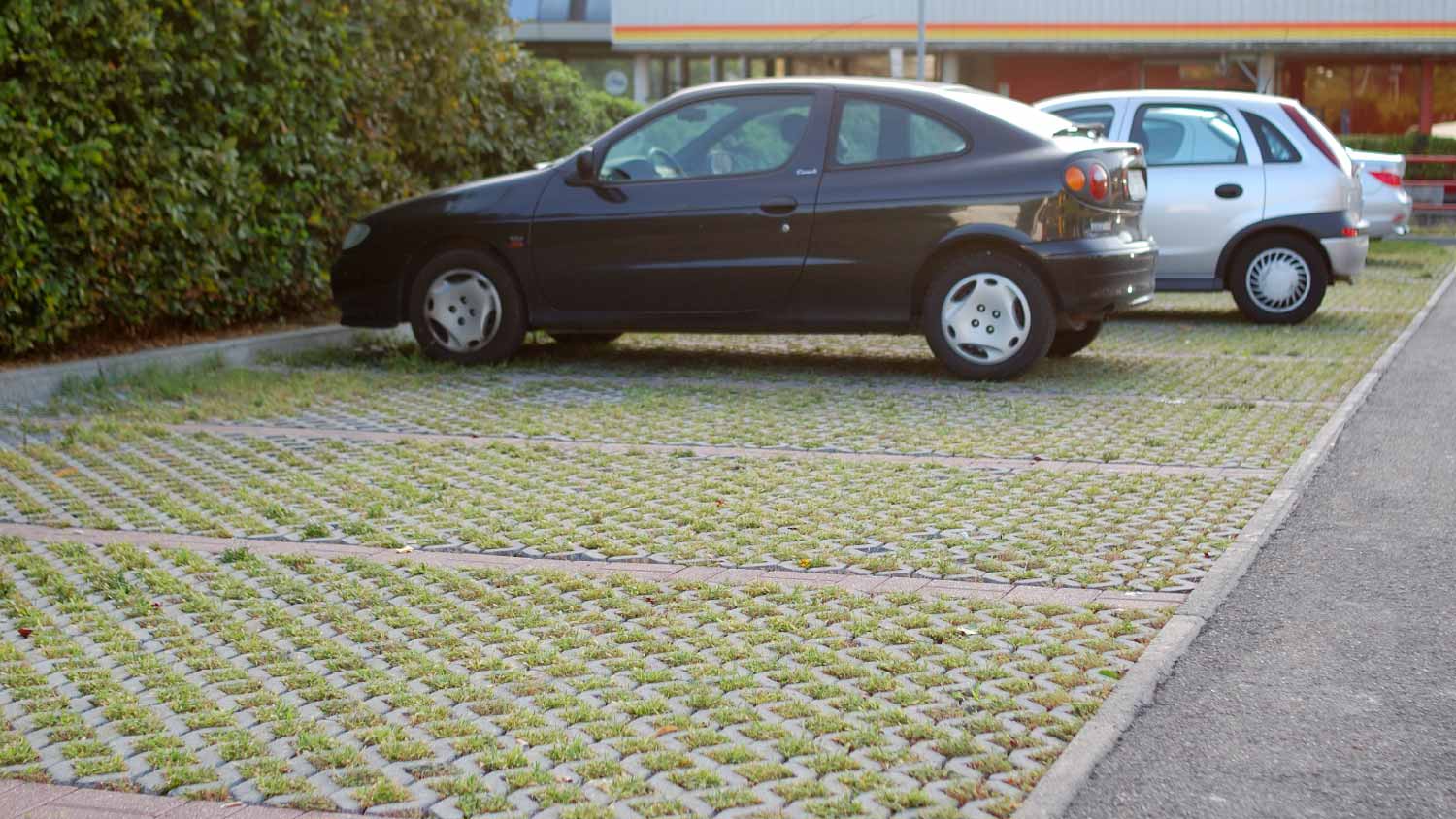
Pavers are a type of permeable hardscape that can be used for driveways, patios, walkways, and other landscaping features. Unlike poured concrete or asphalt, pavers typically have a layer of gravel underneath to prevent water runoff from damaging your property—though you can also lay pavers on grass. Because pavers are installed piece by piece, you can customize a one-of-a-kind hardscape that best suits your aesthetics, boosting your curb appeal along the way.

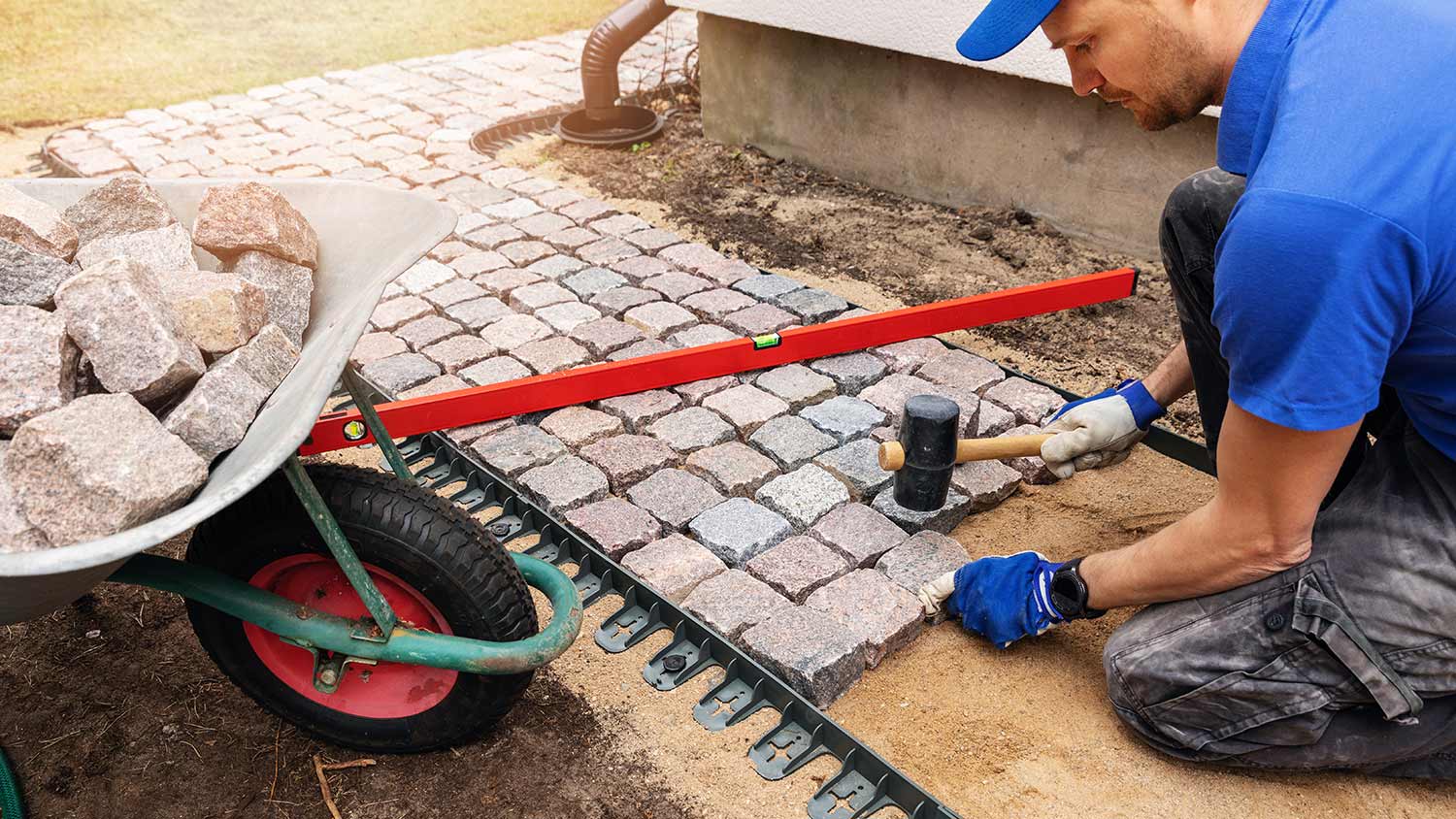
Whether you decide to DIY paver installation or want to hire a pro, it’s smart to understand the process. First, you’ll need to prepare the area by clearing away grass and dirt. Next, you’ll add the paver base of gravel and sand before laying the pavers on top. You may need to cut pavers to fit your space or the landscaping design and add edging stones.

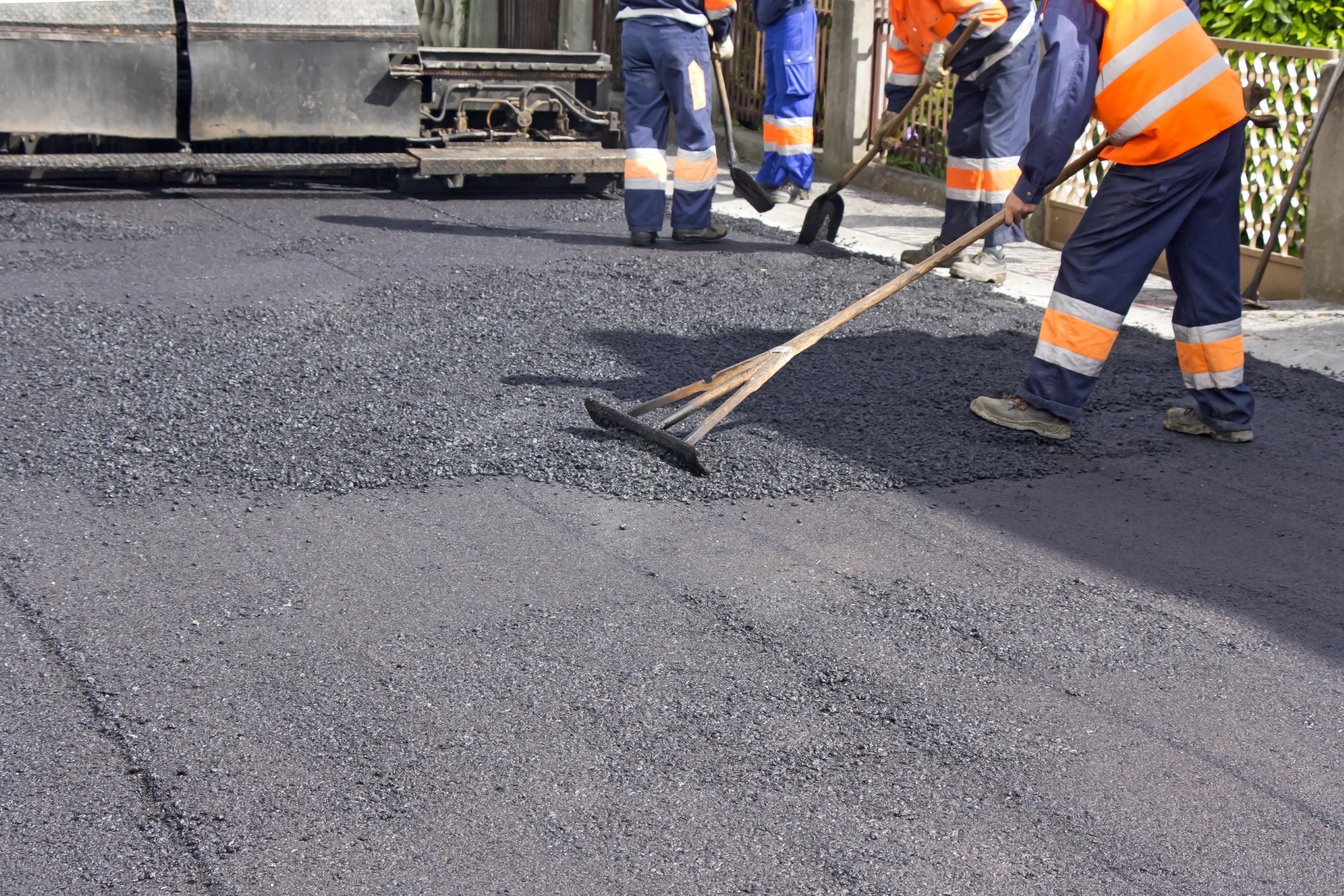
Asphalt and tarmac are not the same thing. Traditional tarmac, short for tarmacadam, uses tar as a binder to hold crushed stone together. Asphalt uses bitumen—a byproduct of crude oil—to bind aggregate. Though tarmac was once a go-to for roads, asphalt has become the modern standard. And these days, most surfaces referred to as “tarmac” are actually asphalt. So, while the names may overlap, the key distinction lies in the binder—tar for tarmac and bitumen for asphalt.

The Camas, WA homeowners’ guide to paving services

From average costs to expert advice, get all the answers you need to get your job done.