







Top-rated excavation pros.

Get matched with top excavation pros in Patrick Springs, VA

Enter your zip and get matched with up to 5 pros

Need a pro for your excavation project in Patrick Springs, VA?

Select your specific project to find the pro for you.

Find Excavation pros in Patrick Springs

Avatar for Walker Boy Landscaping LLC
Walker Boy Landscaping LLC
4.0(
78
)
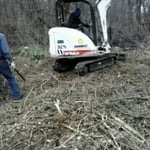
Building Site - Preparation and ClearingBuilding Site - Preparation and Clearing - For BusinessExcavation - Major Grading or Resloping+2 more

Serving Patrick Springs, VA and surrounding areas

In business since 2012

Free estimates

Credit card accepted

"It was good. There were certain things that weren't covered under the plan. I'm not sure if they cut the bushes down in the back around the fence. I had to pay extra for that. They should try get me to know the schedule so I know when they're coming and when they're not coming. Other than that, it takes time to get the workers together. I like Patrick and he's the owner. The thing in the firepit was included with the mulch but he said I had to pay for the materials."
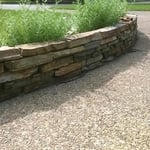
Rock Wall Installations
Stripes
Recommended by72%of homeowners
Bolt Excavating
New to Angi
Building Site - Preparation and ClearingExcavation - Major Grading or Resloping

Serving Patrick Springs, VA and surrounding areas

In business since 2002

Free estimates

Bolt Excavating, has the equipment and knowledge, to do your excavation job efficiently and safely. As the owner, Phillip Bolt, will be on your job site, running the equipment and making sure the job gets done right. Bolt Excavating, has both large and small equipment. We can coordinate with other contractors, to get the job timed right so everyone is happy.

Response time5 days
Showing 1-10 of 23
Excavating questions, answered by experts

Trenches are typically 12 to 24 inches deep and 8 inches wide. However, the required depth depends on the specific project and local ordinances. For example, a French drain may need to be 18 inches deep, while a water pipe might require a depth of 24 inches and a drainage pipe 36 inches. Your city or county may have specific regulations, so it's wise to consult with an excavation professional to determine the correct depth for your project.

It can take several weeks for the ground to settle after removing a tree, and the soil under larger, more mature trees can take months. The deeper the tree has been ground under the soil, the longer it will take to settle. However, this extra depth can help you plant new landscaping sooner because you’ll have more space for fresh soil.

There are several methods to hollow out a tree stump, and the best one depends on your tools, experience, and priorities. Common methods include using a chisel and hammer, a chainsaw, or burning.

  • Chisel and Hammer: This is often considered the easiest approach for those with limited tools or experience, though it is the most time-consuming.

  • Chainsaw: Using a chainsaw is the fastest method, but it comes with significant safety risks, especially for inexperienced users.

  • Burning: This can be an effective method, but it is not recommended unless you can first drill holes into the stump. Without holes, the stump will be difficult to light and may not burn completely through.

A power drill with at least a ⅜-inch diameter bit can make the job quicker and easier, regardless of the primary method. While you can use a chisel or chainsaw without a drill, it will require more time and effort. Always wear protective goggles and thick gloves, as splinters are an inevitable risk.

We recommend removing the stump, and grinding is a popular way to do it. You can also dig out small stumps or stumps that have fully decayed instead of grinding them. However, don’t try using acids or fire for killing a tree stump, which is a fire hazard and illegal in many areas.

Leaving the stump alone invites eventual problems, including attracting termites, mold, and fungi.

If you have a broken sprinkler pipe underground, there will be some signs you can easily spot to locate it and take action. These include leaks, water spouts, flooding, consistently damp areas on your lawn, low water pressure, and grass around the sprinkler head that’s taller and darker than anywhere else in the yard. 

If there are no obvious signs of a broken pipe, you can use tools such as water leak mics, leak noise loggers, audio devices that record leaks, and acoustic testing links. 

Broken pipes can lead to uneven watering, plant damage, and higher utility bills. The longer you wait to fix them the more the repair cost may be.

The Patrick Springs, VA homeowners’ guide to excavation services

From average costs to expert advice, get all the answers you need to get your job done.