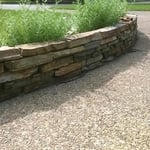
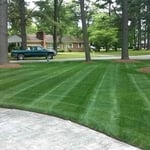
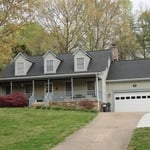
Nick's Lawncare & Landscaping is committed to excellence in every aspect of our business. We uphold a standard of integrity bound by fairness, honesty, and personal responsibility. Our distinction is the quality of service we bring to our customers. Accurate knowledge of our trade combined with ability is what makes us true professionals. Above all, we are watchful of our customers' interests, and make their concerns the basis of our business.
We are your most affordable "one stop shop" contracting company that provides all of your home maintenance/construction needs. We work with businesses and homeowners providing quality workmanship at reasonable prices. Additional DBA - Gabriel & Gail Better Business LLC & Gabriel and Gail.
Bud Hypes Plumbing & Sewer Service offers residential and commercial plumbing through WV and Virginia. Our services include plumbing, gas line, back-flow prevention, well pumps, and special services. We have over 40 years experience. We are licensed, bonded and insured. Call us today to schedule an appointment.
Burrells Forestry & Excavation is a self owned and operated business. We provide construction services such as Forestry Mulching, Land Clearing, Excavation work, Grading, Underground Utility repairs and installs, Demolition, etc. We stand behind our work and strive to provide work that our customers will be satisfied with.
Bolt Excavating, has the equipment and knowledge, to do your excavation job efficiently and safely. As the owner, Phillip Bolt, will be on your job site, running the equipment and making sure the job gets done right. Bolt Excavating, has both large and small equipment. We can coordinate with other contractors, to get the job timed right so everyone is happy.
All The Works Landscaping does it all! \nCustomer preference and priorities are always first. We're very timely with our work and never lose attention to detail.\nThere is no job too big or too small. Please call us today for an estimate on your next project!\n\n
SOUTHERNWOODS WOODWORKING is a locally owned and operated company that values honesty and integrity in all aspects of our business. With over 16 years of experience, we pride ourselves on our innovative ideas and suggestions tailored to your projects. Our services are customized to your individual needs, paying close attention to the details of each project that we are involved with. Please feel free to contact us today!\n
You do not have to dig footers for a deck as long as it meets local code and holds up to weather in your area. If you live somewhere that experiences high winds and earthquakes, you may need to dig for your deck posts. Deck blocks, post anchors with base plates, and helical pile systems are the three no-dig deck post options you can choose from if local code permits.
Underground downspouts refer to the sections of downspout extensions that lead away from your home and gutter system. While they cost more than traditional extensions, they can provide several benefits, such as less frequent damage and no need to move them for lawn care tasks. Whether they're worth it or not depends on your budget at installation time and how much convenience they'll add to your situation.
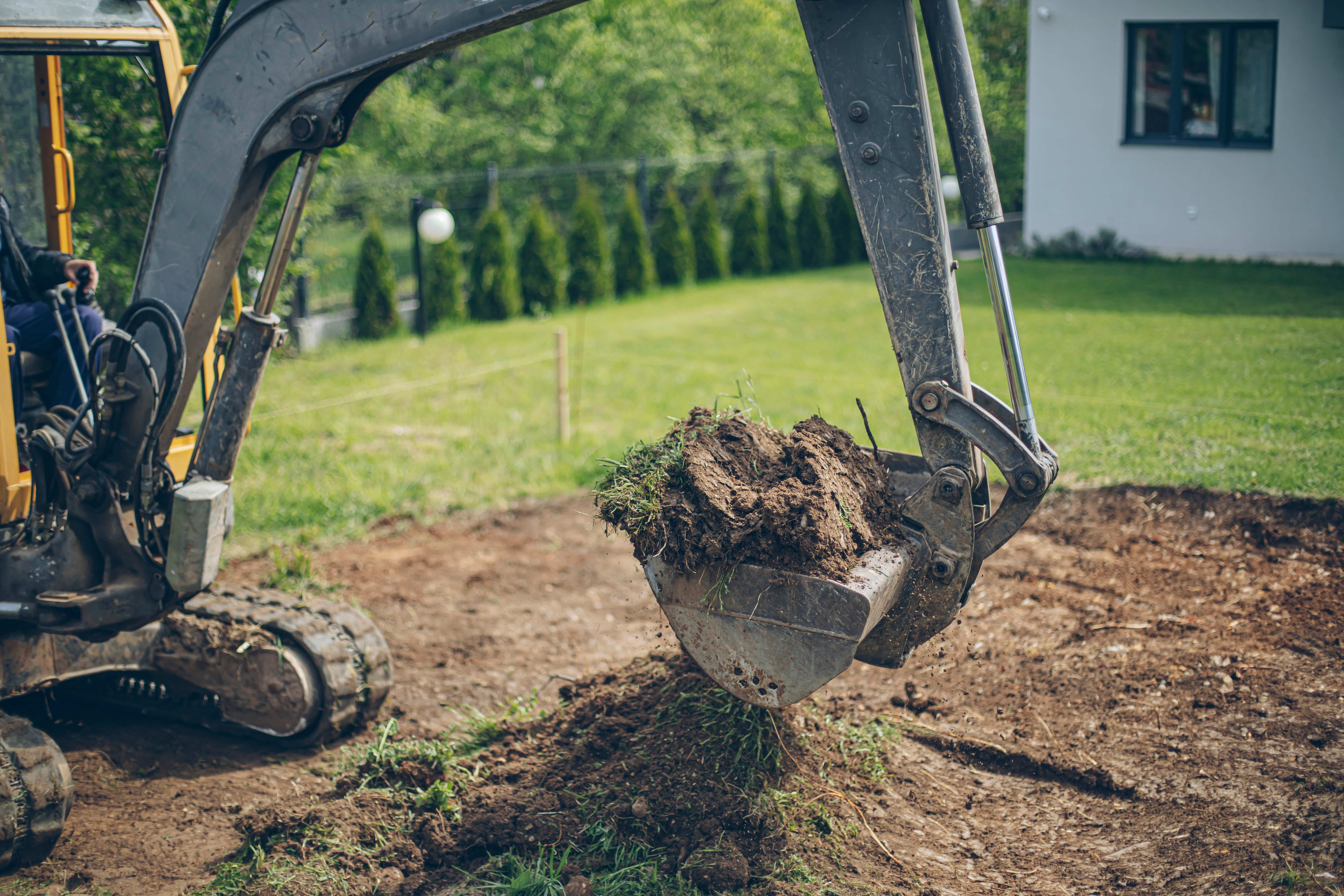
A mini excavator can dig between 5 and 11 feet deep, depending on the type and size of the mini excavator. Mini hydraulic excavators are more powerful and can reach deeper into the earth, but electric models have a more limited range. Mini excavators over two tons in size are also more powerful and able to dig as deep as 11 feet.
Chipmunks dig their burrows about three feet deep and up to 30 feet long. The entrances can be two inches wide or more. Chipmunks are fiercely protective of their burrows and use them to protect the nuts and seeds they gather for the long winters.
Trenching and boring are two distinct methods for installing underground utilities. Trenching involves digging a channel using equipment like an excavator, trencher, backhoe, or shovel. While it is a simpler process, it causes significant disruption to the surface, landscaping, and surrounding ecosystems.
Boring, also known as directional boring, is a less invasive alternative that uses a drill to create a tunnel for utility lines without disturbing the surface. This method is more precise and is ideal for installations that need to go underneath buildings, roads, or bodies of water. Although boring is less disruptive, it is generally more expensive than trenching.
The Stuart, VA homeowners’ guide to excavation services
From average costs to expert advice, get all the answers you need to get your job done.
Excavation costs $1,500 to $6,300 for most residential projects—but it depends on factors like the size of the area. This guide will help you plan a budget.
You can't have an in-ground pool without digging into the ground. How much does pool excavation cost, and can you take it on yourself? Our guide explains.
Picking the right pro can make or break your project. Learn how to hire an excavation pro with the qualifications and skillset to do the job efficiently.