





Top-rated excavation pros.

Get matched with top excavation pros in Ararat, VA

Enter your zip and get matched with up to 5 pros

Need a pro for your excavation project in Ararat, VA?

Select your specific project to find the pro for you.

TRUSTED BY ARARAT, VA HOMEOWNERS

  • Average homeowner rating star icon5
    Average homeowner rating
  • Verified reviews icon24
    Verified excavation services reviews

Find Excavation pros in Ararat

Avatar for Walker Boy Landscaping LLC
Walker Boy Landscaping LLC
4.0(
78
)

Serving Ararat, VA and surrounding areas

In business since 2012

Free estimates

Credit card accepted

"It was good. There were certain things that weren't covered under the plan. I'm not sure if they cut the bushes down in the back around the fence. I had to pay extra for that. They should try get me to know the schedule so I know when they're coming and when they're not coming. Other than that, it takes time to get the workers together. I like Patrick and he's the owner. The thing in the firepit was included with the mulch but he said I had to pay for the materials."
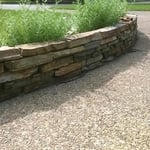
Rock Wall Installations
Stripes
Recommended by72%of homeowners
Showing 1-10 of 18
Excavating questions, answered by experts

A trench that is less than 5 feet deep often doesn't require a protective system. Most residential trenches will not go this deep (the typical residential drainage trench is just 18 inches deep). In the event that an excavator needs to dig more than 5 feet beneath the surface, a protective system is required unless the excavation is in entirely stable rock.

Sewer lines can be buried anywhere from 18 inches to 8 feet deep, with a common average depth between 18 and 30 inches. The exact depth depends on local factors like climate and soil type. In colder regions, pipes must be buried deeper (below the frost line) to prevent freezing, sometimes as deep as 8 feet. The digging depth can also impact the cost of sewer line replacement. To find the specific depth for your property, you can check the building plans for your system, which should be on file with your city or local sanitation department since permits are required for installation.

No, fire blight does not survive free in the soil but instead is carried through insects, animals, rain, or wind during the spring. Keep in mind that it can also spread on tools, which is why you should always disinfect them in between cuts.

Most residential basements are 8 to 10 feet deep. You can dig deeper depending on building codes, but it does become more difficult. You’ll likely need to install stronger foundation walls and additional supports to handle the increased load. Depending on the water table, you may also need a water management system. Clay soil can support a deeper foundation than sandy soil. A structural engineer will be able to tell you the maximum, feasible depth.

No, a ditch isn’t a trench. A ditch is an open, relatively shallow channel that’s carved out of the ground and used for drainage purposes. In contrast, a trench is a deeper excavation that’s entirely underground. Trenches have many uses, including gas lines, sewage systems, and electrical wiring. Unlike trenches, ditches don’t get filled back in with dirt after they’re dug.

The Ararat, VA homeowners’ guide to excavation services

From average costs to expert advice, get all the answers you need to get your job done.