






Top-rated excavation pros.

Get matched with top excavation pros in Dublin, VA

Enter your zip and get matched with up to 5 pros

Need a pro for your excavation project in Dublin, VA?

Select your specific project to find the pro for you.

TRUSTED BY DUBLIN, VA HOMEOWNERS

  • Average homeowner rating star icon4.9
    Average homeowner rating
  • Verified reviews icon14
    Verified excavation services reviews

Find Excavation pros in Dublin

Avatar for Mike Atkinson, Inc.
Mike Atkinson, Inc.
New to Angi

Serving Dublin, VA and surrounding areas

Approved

In business since 2000

Free estimates

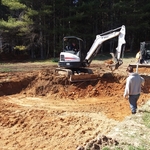
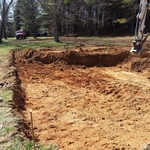
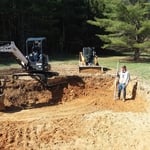
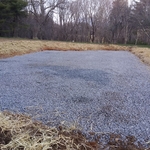
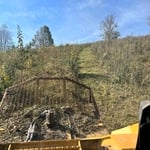
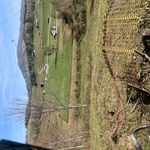
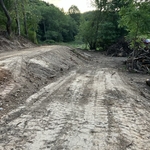
Mike Atkinson Excavating is a family company who has been doing excavation, demolition and disposal in Salem, VA and surrounding areas for over 35 years. Honestly, we love demolishing things. We also love watching a piece of land that is overrun or underdeveloped turned into the foundation for somebody's dream. We are your local excavating contractor and demolition contractor, both residential and commercial. Whether foundations, parking lots, road clearing, pond building, land clearing we are your complete source. We take pride in our work.

Response time1 day

Showing 1-10 of 23
Excavating questions, answered by experts

Sewer lines can be buried anywhere from 18 inches to 8 feet deep, with a common average depth between 18 and 30 inches. The exact depth depends on local factors like climate and soil type. In colder regions, pipes must be buried deeper (below the frost line) to prevent freezing, sometimes as deep as 8 feet. The digging depth can also impact the cost of sewer line replacement. To find the specific depth for your property, you can check the building plans for your system, which should be on file with your city or local sanitation department since permits are required for installation.

A trench that is less than 5 feet deep often doesn't require a protective system. Most residential trenches will not go this deep (the typical residential drainage trench is just 18 inches deep). In the event that an excavator needs to dig more than 5 feet beneath the surface, a protective system is required unless the excavation is in entirely stable rock.

Professional installers often include a deep layer of crushed gravel under permeable pavers to allow more runoff to soak through into the soil below. Many installations will include multiple layers of gravel, with coarser aggregate at the base and finer aggregate that sits on top of that bottom layer. Above the gravel, you’ll often find coarse sand that helps reduce paver shifting over time. Some permeable paver designs include a water collection system set into the gravel layer to route runoff to a safe area for disposal.

Yes, trenchers can go through gravel. Gravel is made up of smaller, softer rocks that certain trenchers are able to cut through. Just be sure to use a rock wheel trencher or chain trencher, both of which are made to cut through rocky landscapes and gravel pathways without dulling the teeth or chain.

Digging out a basement takes anywhere from a few days to a few months. Most projects take at least two to five weeks, but it could take several months if you encounter obstacles. This project takes longer if you need to brace or raise your home before the excavation. Digging out a basement in new construction can take as little as three days.

The Dublin, VA homeowners’ guide to excavation services

From average costs to expert advice, get all the answers you need to get your job done.

What do you need done? We’ll find top pros.
  • 🌱 "Mow a small front yard"
  • 🛠 "Fix a leaking pipe under the sink"
  • 🏠 "Repair shingles on an asphalt roof"