



Top-rated excavation pros.

Get matched with top excavation pros in Spencer, VA

Enter your zip and get matched with up to 5 pros

Need a pro for your excavation project in Spencer, VA?

Select your specific project to find the pro for you.

Find Excavation pros in Spencer

Avatar for Walker Boy Landscaping LLC
Walker Boy Landscaping LLC
4.0(
78
)

Serving Spencer, VA and surrounding areas

In business since 2012

Free estimates

Credit card accepted

"It was good. There were certain things that weren't covered under the plan. I'm not sure if they cut the bushes down in the back around the fence. I had to pay extra for that. They should try get me to know the schedule so I know when they're coming and when they're not coming. Other than that, it takes time to get the workers together. I like Patrick and he's the owner. The thing in the firepit was included with the mulch but he said I had to pay for the materials."
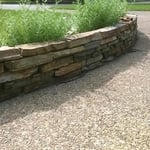
Rock Wall Installations
Stripes
Recommended by72%of homeowners
Avatar for Christopher Plumbing
Christopher Plumbing
3.7(
3
)

Serving Spencer, VA and surrounding areas

In business since 2000

Emergency services offered

"Christopher is excellent and has very fair prices - he goes out of his way to keep the final price in the homeowners budget. He is always there when you need him, whether it's at night or on the weekend. He's also a master plumber that does excellent work and is very friendly and easy to get along with. Christopher is able to come up with a solution to very complicated problems. We would highly recommend Christopher to anyone."
Recommended by66%of homeowners
Showing 1-10 of 21
Excavating questions, answered by experts

Yes, you can install a trench drain if you already have concrete in your yard or garden. While it can complicate some aspects of the job and slightly run up the cost, it is doable. Residential trench drains can be easily retrofitted to outdoor areas with concrete without having to remove excessive amounts of your patio, pool area, or decorative walkways.

There are several methods to hollow out a tree stump, and the best one depends on your tools, experience, and priorities. Common methods include using a chisel and hammer, a chainsaw, or burning.

  • Chisel and Hammer: This is often considered the easiest approach for those with limited tools or experience, though it is the most time-consuming.

  • Chainsaw: Using a chainsaw is the fastest method, but it comes with significant safety risks, especially for inexperienced users.

  • Burning: This can be an effective method, but it is not recommended unless you can first drill holes into the stump. Without holes, the stump will be difficult to light and may not burn completely through.

A power drill with at least a ⅜-inch diameter bit can make the job quicker and easier, regardless of the primary method. While you can use a chisel or chainsaw without a drill, it will require more time and effort. Always wear protective goggles and thick gloves, as splinters are an inevitable risk.

Whether you grind or dig up and remove your tree stump depends on your landscaping goals. Using a stump grinder leaves the root system in place for it to decompose over time, whereas digging up the tree stump removes the roots and the stump. Overall, stump grinding is a far simpler process since you won’t need to deal with the roots. Stump removal will make your yard look like a demolition site, but you’ll have an easier time replanting in the same place as your former tree.

The digging depth will depend on the size of the trencher you use. Even smaller units can dig up to 4 feet deep, which is plenty for a DIY job. However, much larger trenchers can reach a depth of 18 feet and are better used by a team of pro contractors, not a single DIYer. As with all home improvement projects, use the right tool for the job and proceed with caution.

Trenching and boring are two distinct methods for installing underground utilities. Trenching involves digging a channel using equipment like an excavator, trencher, backhoe, or shovel. While it is a simpler process, it causes significant disruption to the surface, landscaping, and surrounding ecosystems.

Boring, also known as directional boring, is a less invasive alternative that uses a drill to create a tunnel for utility lines without disturbing the surface. This method is more precise and is ideal for installations that need to go underneath buildings, roads, or bodies of water. Although boring is less disruptive, it is generally more expensive than trenching.

The Spencer, VA homeowners’ guide to excavation services

From average costs to expert advice, get all the answers you need to get your job done.