




Top-rated weed maintenance pros.

Get matched with top weed maintenance pros in Arlington, VA

Enter your zip and get matched with up to 5 pros

Need a pro for your weed maintenance project in Arlington, VA?

Select your specific project to find the pro for you.

TRUSTED BY ARLINGTON, VA HOMEOWNERS

  • Average homeowner rating star icon4.5
    Average homeowner rating
  • Verified reviews icon1.1k+
    Verified weed maintenance services reviews

Find Weed maintenance pros in Arlington

No results for Weed maintenance pro in

Try adjusting your search criteria.
Weed Services questions, answered by experts

Dandelions, while hard to control and widespread across the country, are not typically categorized as noxious. Yellow starthistle, however, looks very similar to a dandelion and is highly damaging to local plants and invasive across the country.

Yes, you can typically combine liquid aeration with other lawn treatments. However, follow the specific product's instructions and consider the compatibility of treatments. In most cases, liquid aeration can complement fertilization, overseeding, or weed control programs. Combining treatments strategically can address multiple aspects of your lawn's health and appearance simultaneously. Always read and adhere to the guidelines provided by the product manufacturers to ensure safe and effective application.
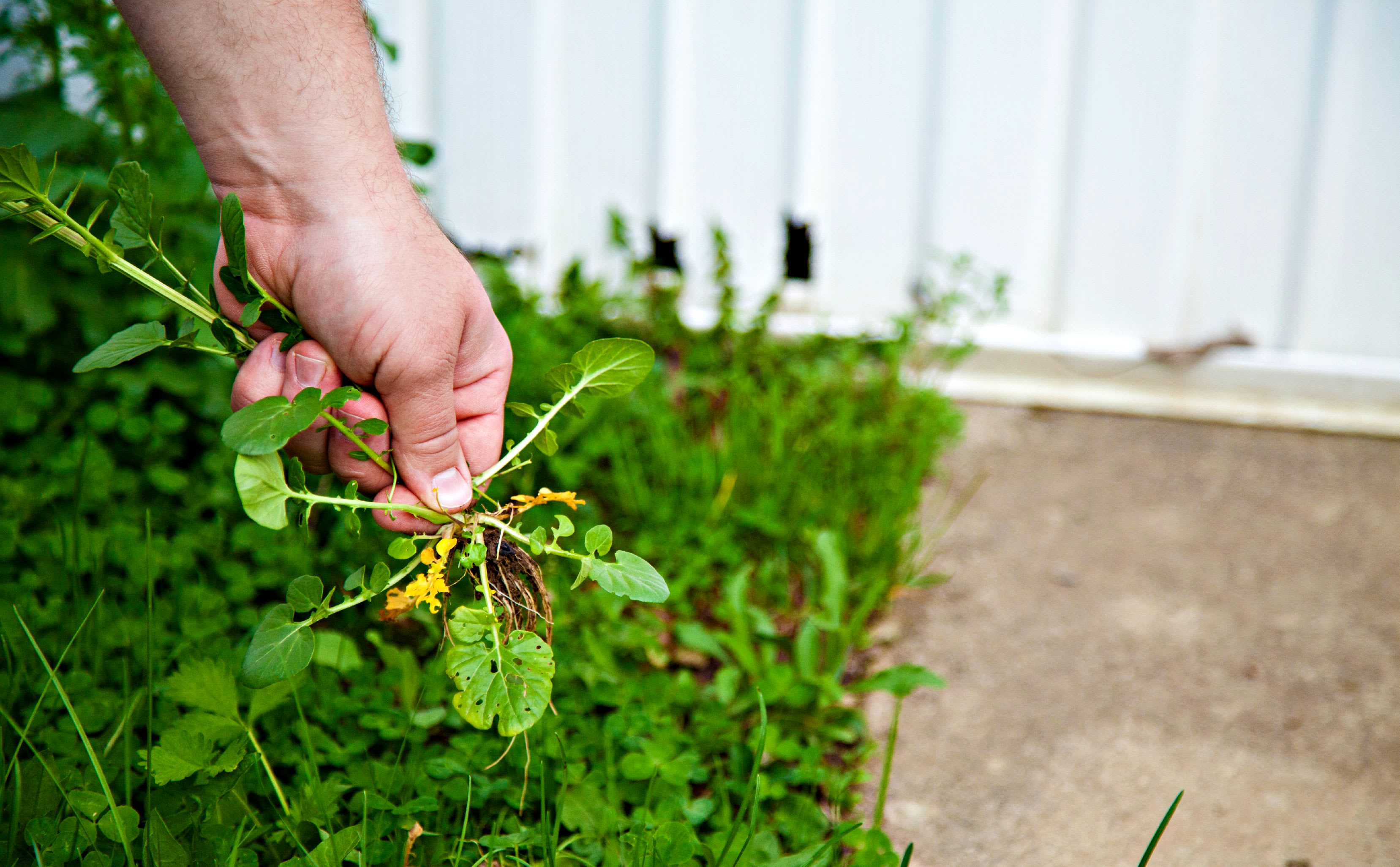
Vinegar cannot tell the difference between weeds and desired grass types; it kills everything it touches. Only use a vinegar or vinegar-based solution if you are relatively confident that you can navigate around the plants and grasses you want to keep. Also, don’t spray vinegar on a windy day, or it will blow onto other plants.

Johnsongrass and crabgrass are invasive weeds that can overtake your lawn. Crabgrass is a low-growing grass most often seen in lawns, flower beds, and vegetable gardens. While you may find Johnsongrass growing in your lawn, it will also grow in pastures, crop fields, and the edge of the road. Johnsongrass is much coarser than crabgrass. If left alone, Johnsongrass can grow up to 8 feet tall. 

It’s not legal to intentionally damage a neighbor’s tree. Even if the roots of a tree encroach into your yard, if you damage or kill a tree that belongs to your neighbor, you can be held liable for the damage in most cases. Since herbicides can spread through the tree, causing damage to the whole tree and not just the roots that are on your side of the property line, you shouldn’t poison your neighbor’s tree. The other downside to this method is that if the tree dies, it can fall onto your property and cause more damage, so herbicides are best avoided in this circumstance.

The Arlington, VA homeowners’ guide to weed maintenance services

From average costs to expert advice, get all the answers you need to get your job done.