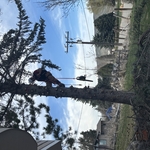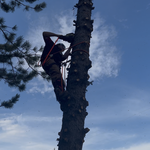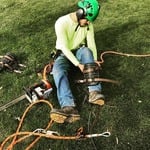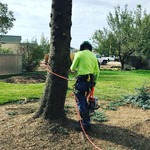


Top-rated tree service pros.

Get matched with top tree service pros in Farr West, UT

Enter your zip and get matched with up to 5 pros

Need a pro for your tree service project in Farr West, UT?

Select your specific project to find the pro for you.

TRUSTED BY FARR WEST, UT HOMEOWNERS

  • Average homeowner rating star icon4.7
    Average homeowner rating
  • Verified reviews icon526
    Verified tree services reviews

Find Tree service pros in Farr West

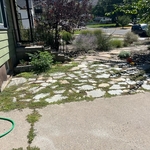
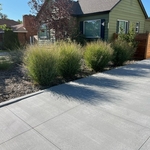
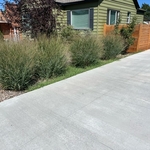
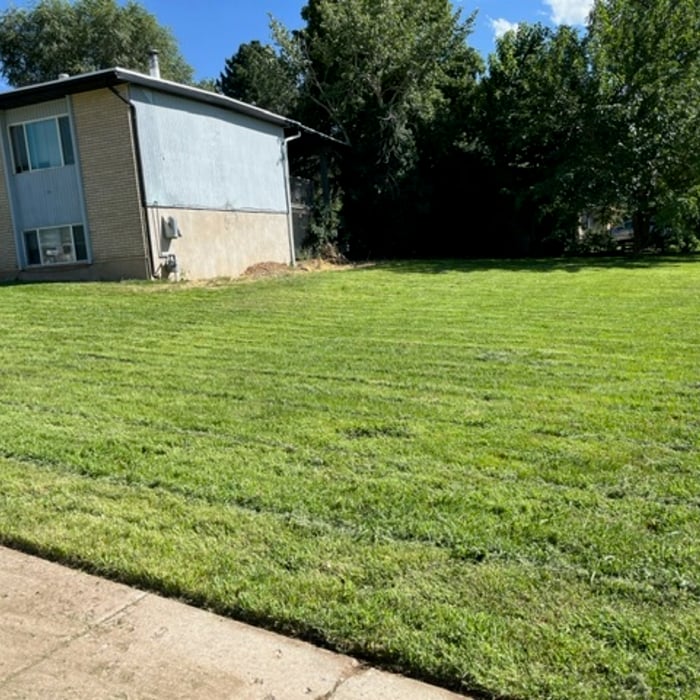
Avatar for TLC Home Repair and Landscape
TLC Home Repair and Landscape
4.4(
27
)
Tree RemovalTree TrimmingTree Trimming - For Business

Serving Farr West, UT and surrounding areas

Approved

In business since 2013

Free estimates

Emergency services offered

"This was Tyler's first visit and we are already scheduled for another round of projects next week. I am THRILLED to have someone so skilled, professional and personable and I recommend him without reservation! We are looking for a new home and it's reassuring to know Tyler can handle anything, inside or out!"
Response time2 days
4 neighbors recently requested a quote
Recommended by100%of homeowners
...
Showing 1-10 of 162
Tree Service questions, answered by experts

Deciduous shade trees (the type of trees whose leaves fall off in autumn) need to be pruned in late winter—between February and March. That’s because it’s easier to find and remove sick or dead branches when no leaves are present. And wounds close and heal faster in colder temperatures so pruning them at this time also makes them less prone to infection.

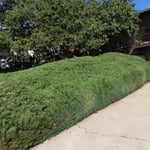
If a tree stump is removed properly, the chances of a tree growing back are low. However, if a tree has a robust root system, roots can sometimes sprout and someday grow into a tree. The chance of regrowth will depend on several factors such as the type of tree, soil quality, and strength of the root system. In general, it is not recommended to plant a tree where a stump was removed.

In most cases, leaving tree roots underground is not a problem if the stump has been removed or ground below the soil. However, some larger roots may decompose, leaving dents in your soil. Additionally, some aggressive trees, including willows, oaks, elms, maples, and poplars may grow back from roots. Large aggressive trees with established root systems are more likely to grow back.

Whether tree roots will continue to grow after a tree has been cut down depends on the species. Some tree roots will eventually die because they can no longer get nutrients through photosynthesis. However, other species that reproduce through root sprouts can continue to grow and produce new sprouts for seven years or more. For example, the roots of elms, ficus, and willows tend to regrow aggressively, while the roots of pines, oaks, and maples will typically die. To determine if a root system is still active, look for new sprouts on the old trunk, stump, or any exposed roots.

The best time to cut down a tree is during its dormant season, typically in winter or early spring, after all the leaves have fallen. Removing a tree during this period is advantageous for several reasons. Frozen ground helps secure the tree stump, protects the surrounding landscape from damage, and reduces the risk of the tree falling in an unintended direction. With the leaves gone, there is less risk of the tree's foliage getting tangled with other trees. Additionally, since this is often a slower season for tree services, you may be able to hire a professional at a lower rate. This dormant period is also the best time for tree trimming.

The Farr West, UT homeowners’ guide to tree services

From average costs to expert advice, get all the answers you need to get your job done.