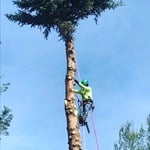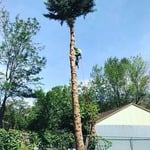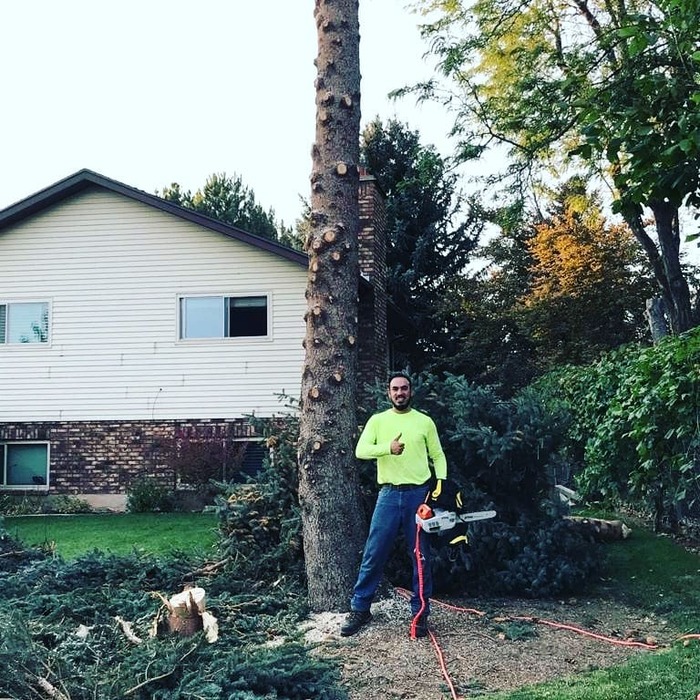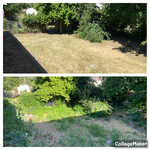



Top-rated tree service pros.

Get matched with top tree service pros in Harrisville, UT

Enter your zip and get matched with up to 5 pros

Need a pro for your tree service project in Harrisville, UT?

Select your specific project to find the pro for you.

TRUSTED BY HARRISVILLE, UT HOMEOWNERS

  • Average homeowner rating star icon4.7
    Average homeowner rating
  • Verified reviews icon526
    Verified tree services reviews

Find Tree service pros in Harrisville

Avatar for TLC Home Repair and Landscape
TLC Home Repair and Landscape
4.4(
27
)
Tree RemovalTree TrimmingTree Trimming - For Business

Serving Harrisville, UT and surrounding areas

Approved

In business since 2013

Free estimates

Emergency services offered

"Tyler just charged his low hourly rate to cut down two fruit trees and cleaned up all the debris in less than 2 hours. He even took some other stuff to the dump for me without charging extra. I'm so pleased with his service, and look forward to having someone I trust (Tyler) come and take care of future needs."
Response time2 days
1 neighbors recently requested a quote
Recommended by100%of homeowners
...
Showing 1-10 of 163
Tree Service questions, answered by experts

Grinding down a tree helps reduce the risk of foundation damage and pests and even helps your home’s curb appeal. Stumps can also be a safety hazard. If grass grows above the stump and someone else mows your yard, they may be in for a rude awakening when they accidentally hit it.

The cost of trees varies massively based on the size of the tree and the species. A small Colorado spruce can cost as little as $30, but a golden rain tree of the same size can cost $90. Large trees can cost $1,500 or more, depending on their species and height.

You can find pruning paints and sealants for trees, but you shouldn’t use them on a topped tree. Coatings like these often inhibit the tree’s healing process. An important exception is if there are dangerous fungi nearby that the tree is particularly vulnerable to, like oaks and oak wilt. Sealing cuts can help prevent fungi from taking root.

Most trees can be successfully transplanted while they are young, but pines, walnuts, and some oak tree varieties are more difficult to move because their root systems grow deeper than most other trees. Also, trees adapted to sandy soil with wide root systems like beeches, willows, and aspens are harder to dig out because their roots spread much farther out from the trunk. In these cases, unless the trees are very young and small, it’s a good idea to consult a tree planting professional.

The best time to transplant a tree is when it is dormant. For many trees, this means either in the fall after the leaves have dropped (around October or November) or in early spring before new growth begins (around March). The ideal timing can depend on the type of tree. Deciduous trees do well when moved in early spring or fall, while evergreens are best transplanted in early spring or late summer. For example, pine trees are best moved in early fall, but maples prefer late fall. Avoid transplanting in winter, as the frozen or hard, cold soil poses a significant risk to the roots and prevents the tree from acclimating properly.

The Harrisville, UT homeowners’ guide to tree services

From average costs to expert advice, get all the answers you need to get your job done.