




Top-rated excavation pros.

Get matched with top excavation pros in Enterprise, UT

Enter your zip and get matched with up to 5 pros

Need a pro for your excavation project in Enterprise, UT?

Select your specific project to find the pro for you.

Find Excavation pros in Enterprise

Avatar for Hillside Excavation
Hillside Excavation
4.8(
4
)
Excavation - Major Grading or Resloping - For Business

Serving Enterprise, UT and surrounding areas

In business since 2021

Free estimates

Emergency services offered

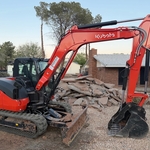
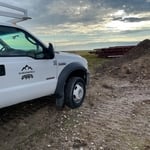
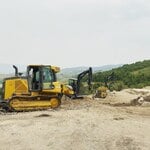
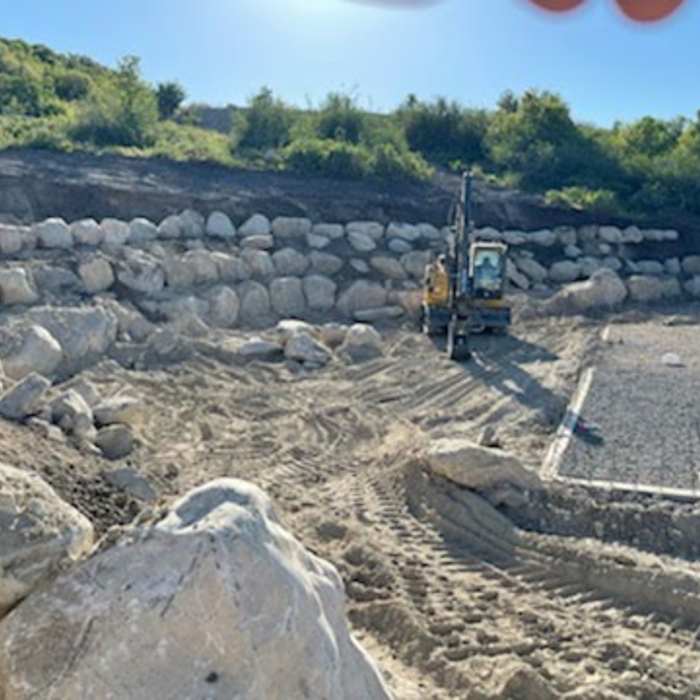
"Residential home 3000 sqft. Backyard with a 3 foot slope, hillside removed the slope/dirt, added a retaining wall. This company went above and beyond for us. I can’t thank everyone enough we are grateful for their military service, professionalism and constant communication throughout the process. 100% Recommendation - Thank you, Jon and team!"
Hillside Excavation
Our Work
Our Work
Our Work
Our Work

+6

Response time1 day
Recommended by100%of homeowners
Showing 1-10 of 32
Excavating questions, answered by experts

Trenching and boring are two distinct methods for installing underground utilities. Trenching involves digging a channel using equipment like an excavator, trencher, backhoe, or shovel. While it is a simpler process, it causes significant disruption to the surface, landscaping, and surrounding ecosystems.

Boring, also known as directional boring, is a less invasive alternative that uses a drill to create a tunnel for utility lines without disturbing the surface. This method is more precise and is ideal for installations that need to go underneath buildings, roads, or bodies of water. Although boring is less disruptive, it is generally more expensive than trenching.

There are many ways to cut through roots when digging, especially if your trencher doesn’t seem to be removing the roots. First, use a shovel to expose the roots. Then, use gardening shears to clear out smaller roots or a reciprocating saw to remove larger plant roots. If you plan on keeping the plant, avoid cutting any roots over 2 inches thick.

Yes, you can excavate in the winter, but it might make the job harder. Frozen ground is harder to dig, and snow or ice can make the work site more hazardous. A contractor may need special equipment and techniques, such as ground-thawing methods, to break through frozen soil. Although winter excavation is possible, it may take longer and be more costly than excavating during warmer months.

A perc test can take anywhere from one to eight hours to complete. The total time depends on factors like the amount of excavation required, the depth and width of the holes, and whether multiple test holes are needed. For a single hole, the process of filling it with water and monitoring the drainage rate usually takes less than an hour. Professionals can often complete the entire test in a single day. While it's possible to get results the same day, some companies may take a few days to provide the official report.

The digging depth will depend on the size of the trencher you use. Even smaller units can dig up to 4 feet deep, which is plenty for a DIY job. However, much larger trenchers can reach a depth of 18 feet and are better used by a team of pro contractors, not a single DIYer. As with all home improvement projects, use the right tool for the job and proceed with caution.

The Enterprise, UT homeowners’ guide to excavation services

From average costs to expert advice, get all the answers you need to get your job done.