






Top-rated excavation pros.

Best excavation pros near Saint George, UT

Enter your zip and get matched with up to 5 pros

Need a pro for your excavation project in Saint George, UT?

Select your specific project to find the pro for you.

TRUSTED BY SAINT GEORGE, UT HOMEOWNERS

  • Average homeowner rating star icon4.5
    Average homeowner rating
  • Verified reviews icon19
    Verified excavation services reviews

Top-Rated Excavation pros in Saint George - Updated Nov 2026

Avatar for Down South Construction
Down South Construction
5.0(
7
)
Excavation - Major Grading or ReslopingBuilding Site - Preparation and ClearingBuilding Site - Preparation and Clearing - For Business+2 more

Serving Saint George, UT and surrounding areas

Approved

In business since 2023

Free estimates

Credit card accepted

"Down South did a great job, it is nice to have a team that communicates so well. Jared helped through the whole process and kept everything transparent and when your building a home the is refreshing. Justin on the excavator also communicated well and did a great job. Thanks guys. We have another job coming up soon and you are the team we will be calling. Thank you again. Robert and Lisa"
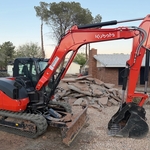
Del Mar concrete removal
5 neighbors recently requested a quote
...
Showing 1-10 of 59
Excavating FAQs, answered by experts

As a general rule, the protected area should be about 1½ times as wide as the canopy of the tree’s leaves. This digging measurement can vary by tree species and the age of the tree. Of course, that can be a lot of fencing for larger trees, which is why our first step is about making difficult decisions on which trees to save.

In the United States, a depth of 36 inches (three feet) for underground water lines is the accepted industry standard. This depth varies from location to location based on local conditions. In areas with colder winters, they may be buried deeper to prevent frozen well water pipes : This is usually at least six inches below the frost level. The International Plumbing Code calls for a minimum of 12 inches below grade.

Hardscaping often requires preparation of the ground in the area where the feature is being installed. This can include digging, compacting, and leveling the soil, ensuring adequate drainage, and removing any existing plants. The extent of preparation needed will depend on the type and size of the hardscaping feature being installed.

The best way to protect tree roots is to avoid the roots entirely by excavating outside the root radius of the tree. For nearby projects, it’s a good idea to construct a temporary retaining wall. But that’s not always possible, depending on the project and the root system. In these cases, consider using alternative equipment like an auger to tunnel under the ground.

Remember, tree roots can damage nearby cement foundations as they grow. If a tree is close enough to interfere with large excavations, it may be better to remove the tree than risk future problems.

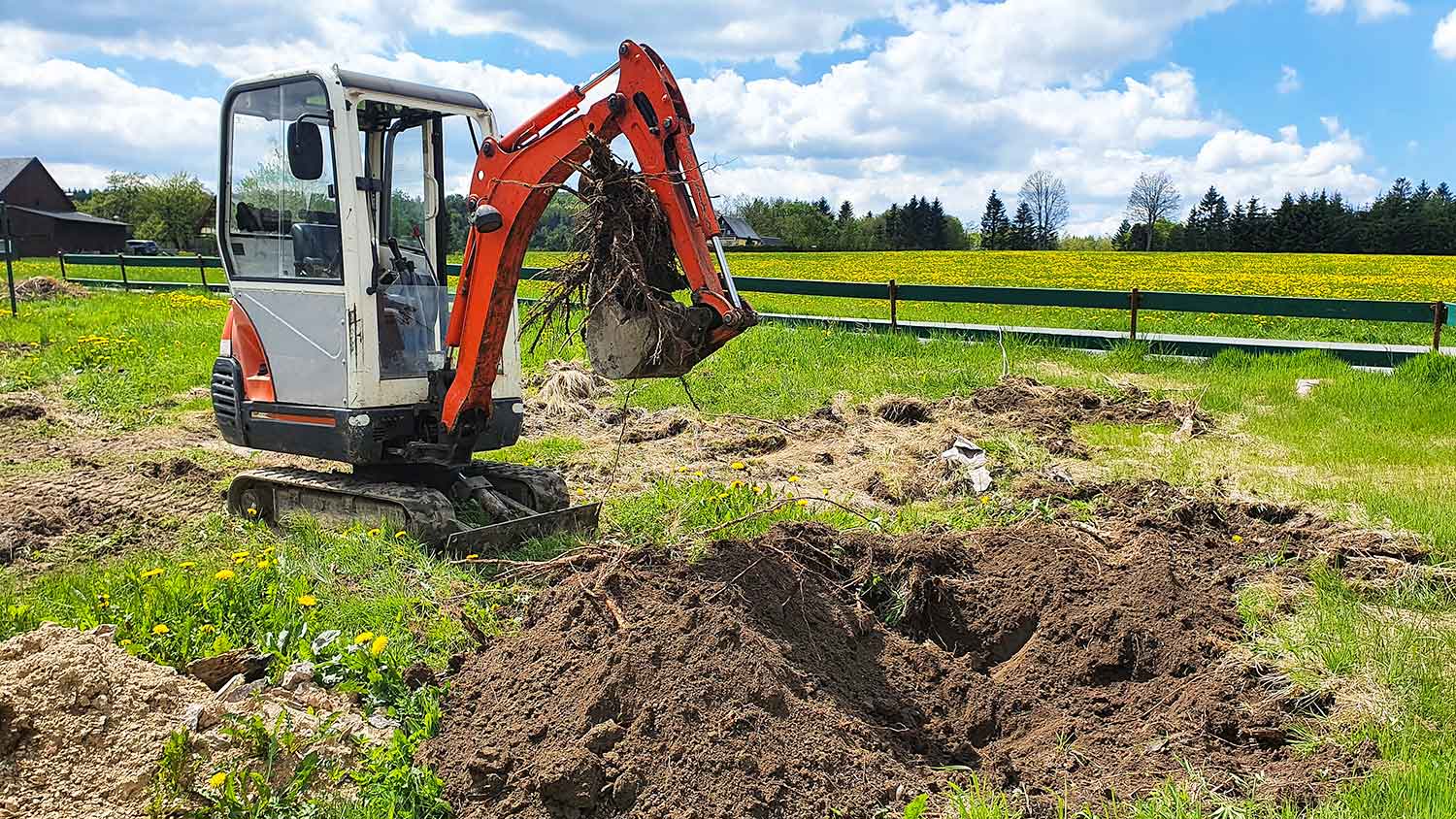
A mini excavator can dig between 5 and 11 feet deep, depending on the type and size of the mini excavator. Mini hydraulic excavators are more powerful and can reach deeper into the earth, but electric models have a more limited range. Mini excavators over two tons in size are also more powerful and able to dig as deep as 11 feet.

The Saint George, UT homeowners’ guide to excavation services

From average costs to expert advice, get all the answers you need to get your job done.