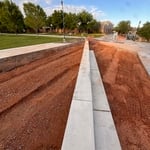
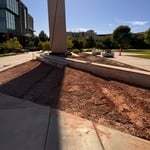
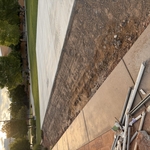
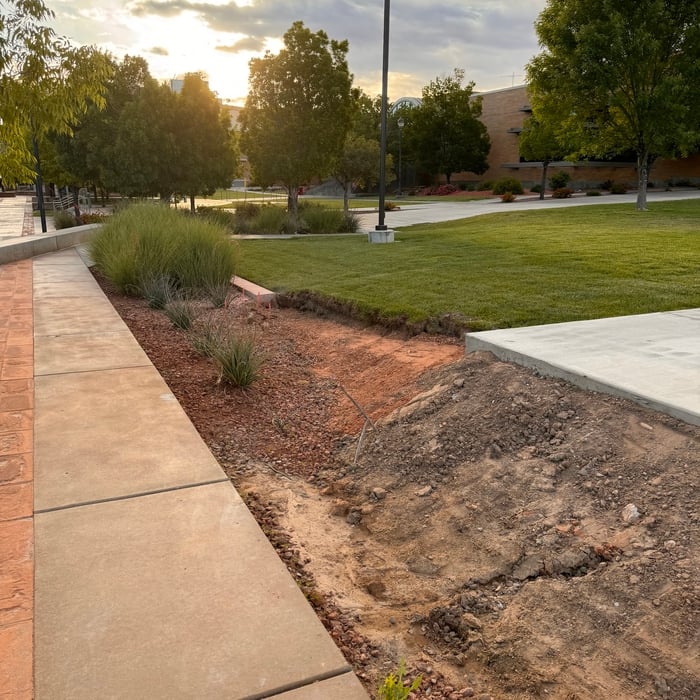
With over 10 years of experience, I take pride in my quality craftsmanship. We are owner operated, and believe in building long-term relationships with our clients by delivering honesty along with exceptional work. We pride our company on reliability, great communication, integrity, and customer service. We are experts in our trade and will do our best to keep you as educated as we can on your particular project. Give us a call today! We look forward to working with you!
Leroy Wayman is committed to excellence in every aspect of our business. We uphold a standard of integrity bound by fairness, honesty, and personal responsibility. Our distinction is the quality of service we bring to our customers. Accurate knowledge of our trade combined with ability is what makes us true professionals. Above all, we are watchful of our customers' interests and make their concerns the basis of our business.
We are an ethical, honest and professional company. We are easy to communicate with. Always working with you until the job is done right and to your specifications. When working with our company you can expect integrity, prompt service and superior customer service. Always\nleaving the job site clean . We take pride in our services and enjoy making clients repeat clients. You can count on us to get the job done right the first time. We will meet with you at your convenience and will not keep you waiting. \nCall us today for your free estimate. YouÂ’ll be pleased you did. Thank you \n
We work extremely hard for the owner and always have the owner's best interest at heart. Our long term vision is for us to become a go to general contractor with capabilities to do multiple types of projects.\n
We take pride in reliability, communication, integrity, and quality craftsmanship. Our team is made up of experienced professionals who are dedicated to delivering exceptional results on every project, big or small. We value our customers time and trust, and we approach each job with a commitment to doing things the right way the first time.\n\nAs experts in our trade, we take the time to ensure you understand your project from start to finish, providing transparency and guidance every step of the way. Whether the task involves a repair, renovation, installation, or ongoing maintenance, we aim to exceed expectations and build lasting relationships through hard work and honest service.\n\nWe look forward to the opportunity to earn your business and become your trusted partner for all your home improvement needs.\n
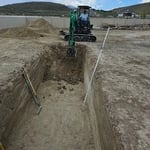
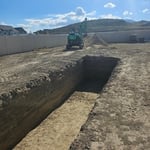
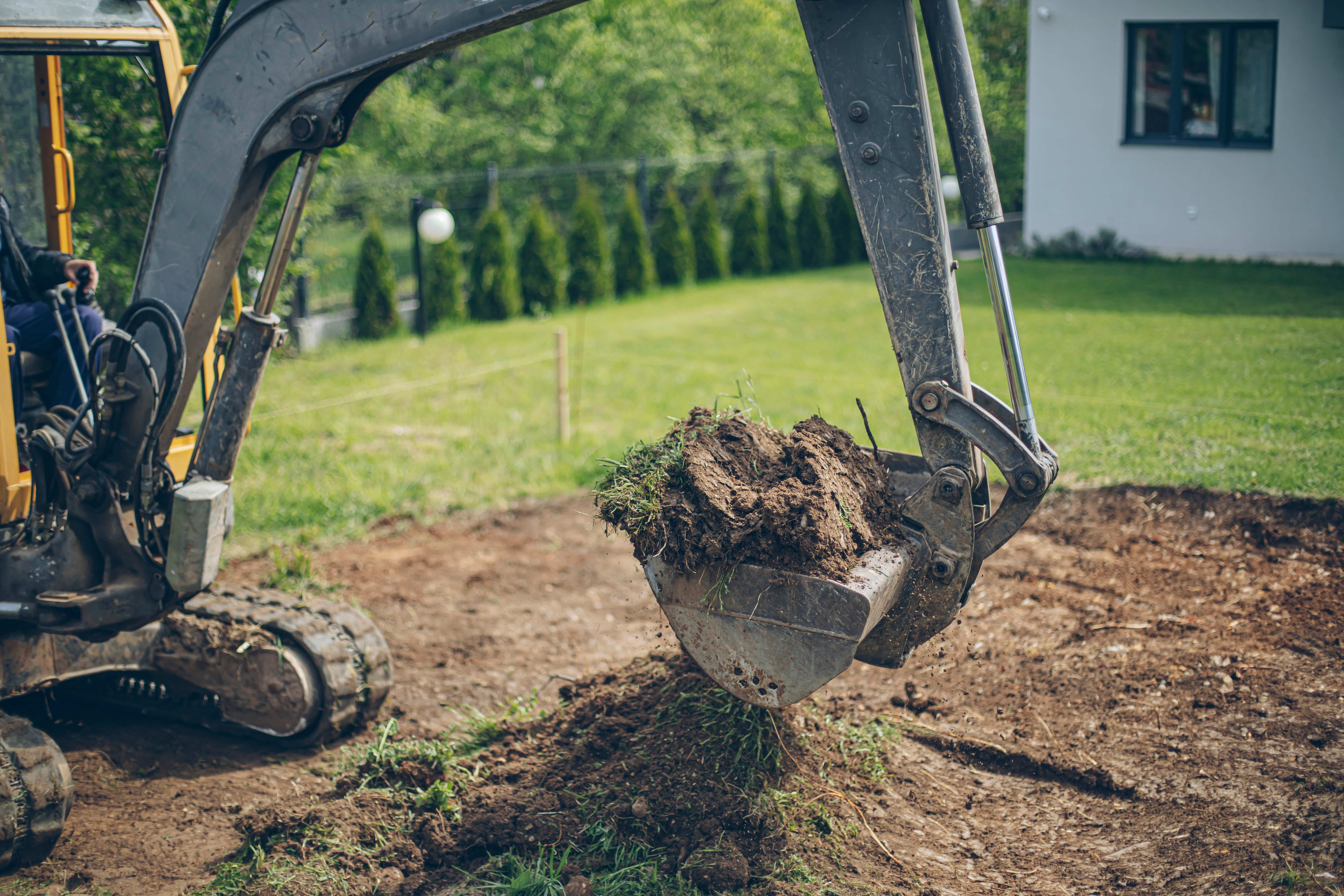
Excavation services involve the careful and precise removal of earth and debris to facilitate various construction projects. Whether it's digging foundations for buildings, trenching for utility installation, or creating space for landscaping features, Phynix's skilled excavation teams use specialized equipment to ensure accuracy and efficiency. From small residential projects to large-scale commercial developments, excavation services play a crucial role in laying the groundwork for successful construction endeavors. Experienced professionals prioritize safety, environmental considerations, and adherence to project timelines, ensuring smooth progress from start to finish.\nProviding comprehensive installation services for essential infrastructure, including sanitary sewer, water, irrigation, storm drains, and electrical conduits.
A&B Excavating LLC is a premiere full service excavation contractor that operates out of Cedar City, UT. We pride ourselves on high quality work and precise attention to details. Call today!
"Great to work with. Was able to start right away. Good clean equipment. Great operator. Already have miller tree and excavation going to do another project ."
We are a Family owned and operated business, we take pride in our great employees and the excellence we all strive for in our work. The reward of 100% satisfaction from our customers is our focus and goal, we like to work directly with each client to achieve the result each individual wants or prefers. With over 8 years in the industry we can provide experience and solutions for whatever project or challenges you may have.
We take great pride in our experience, expertise, quality, and customer service that we provide to meet the consumer's needs. It is our mission to provide excellent workmanship and complete customer satisfaction from start to completion of a project. In order to understand the needs and expectations of our customers, we take great care to work and communicate with every customer in a professional manner. Our reputation is based on service, safety, and quality, regardless of how large or small the job.
Preparation involves site assessment, clearing debris, grading surfaces, and compacting soil to support stable construction.
The best way to protect tree roots is to avoid the roots entirely by excavating outside the root radius of the tree. For nearby projects, it’s a good idea to construct a temporary retaining wall. But that’s not always possible, depending on the project and the root system. In these cases, consider using alternative equipment like an auger to tunnel under the ground.
Remember, tree roots can damage nearby cement foundations as they grow. If a tree is close enough to interfere with large excavations, it may be better to remove the tree than risk future problems.
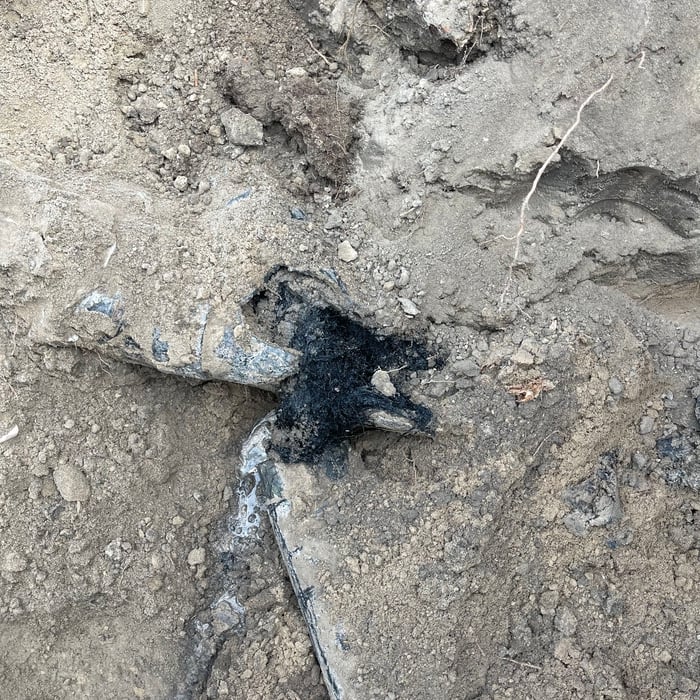
If you have a broken sprinkler pipe underground, there will be some signs you can easily spot to locate it and take action. These include leaks, water spouts, flooding, consistently damp areas on your lawn, low water pressure, and grass around the sprinkler head that’s taller and darker than anywhere else in the yard.
If there are no obvious signs of a broken pipe, you can use tools such as water leak mics, leak noise loggers, audio devices that record leaks, and acoustic testing links.
Broken pipes can lead to uneven watering, plant damage, and higher utility bills. The longer you wait to fix them the more the repair cost may be.
Yes, chipmunk holes may have two or more entrances. Chipmunks can create an entire network of burrows. Having multiple entrances makes it easier for them when trying to escape from a predator, such as a snake, or if an entrance collapses due to flooding. Each entrance leads to the nesting chamber underground, which is where the chipmunk spends the majority of its time sleeping.
Dumpsters work best on hard, study, and level surfaces made of asphalt, stone, or concrete. If the surface is uneven or too soft, the dumpster could get stuck or tip over when filled. Keep in mind that you must obtain a dumpster permit to keep it on a city street in many areas.
The Milford, UT homeowners’ guide to excavation services
From average costs to expert advice, get all the answers you need to get your job done.
Excavation costs $1,500 to $6,300 for most residential projects—but it depends on factors like the size of the area. This guide will help you plan a budget.
You can't have an in-ground pool without digging into the ground. How much does pool excavation cost, and can you take it on yourself? Our guide explains.
Picking the right pro can make or break your project. Learn how to hire an excavation pro with the qualifications and skillset to do the job efficiently.