






Top-rated excavation pros.

Get matched with top excavation pros in Hildale, UT

Enter your zip and get matched with up to 5 pros

Need a pro for your excavation project in Hildale, UT?

Select your specific project to find the pro for you.

TRUSTED BY HILDALE, UT HOMEOWNERS

  • Average homeowner rating star icon5
    Average homeowner rating
  • Verified reviews icon13
    Verified excavation services reviews

Find Excavation pros in Hildale

Avatar for One Stop Construction & Remodeling, LLC
One Stop Construction & Remodeling, LLC
4.8(
18
)
Building Site - Preparation and Clearing

Serving Hildale, UT and surrounding areas

Approved

In business since 2000

Free estimates

Small jobs welcome

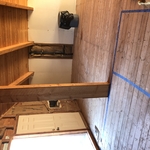
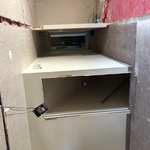
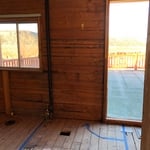
"One Stop was great through the whole process of my kitchen remodeling. They had great advice for me and kept me fully informed all the way along. I am very happy with the finished product. When I went to pick out my countertops and flooring, I could tell immediately that the One Stop people had a great reputation and working relationship with those businesses. It way first remodel experience. I hope to work with them again on the bathrooms in my house."
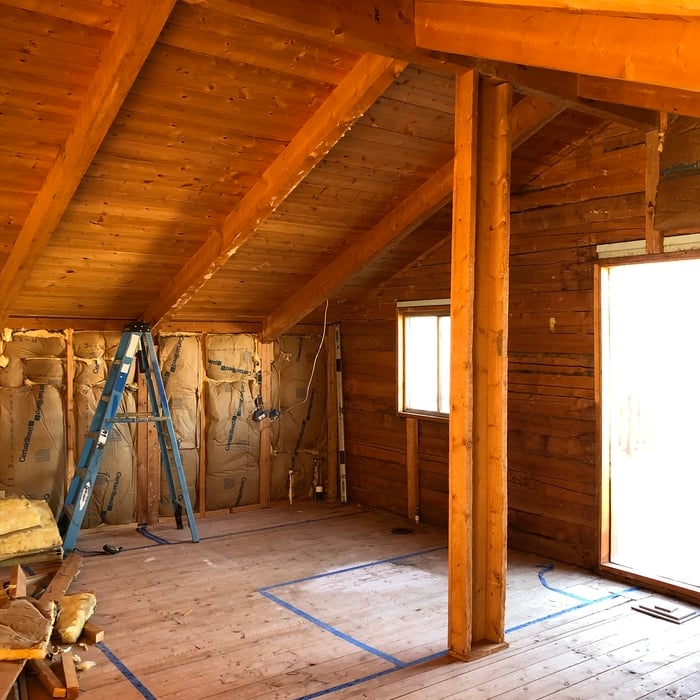
Upstairs Loft
Stairwell wall
Upstairs loft
Removing stairwell wall
Upstairs loft

+222

Response time4 hrs
Recommended by88%of homeowners
Showing 1-10 of 45
Excavating questions, answered by experts

There is no standard depth for burying a septic tank; they are typically buried anywhere from 4 inches to 4 feet underground. The final depth depends on several factors, including the depth of your main sewer line, the height of the bedrock, soil type, local regulations, and the property's landscape. If you plan to grow grass or plants over the tank, a depth of at least 4 to 6 inches is recommended. Deeper tanks can be more difficult to locate, but a septic professional can help find it for you.

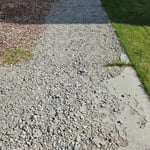
Concrete blocks are the cheapest way to base a shed. However, the space in between allows critters to go under, burrow, and even damage your shed’s frame. For a more pest-proof option, consider building a shed base with gravel or paver stones. Both options are fairly affordable and easy enough for a DIY project. For gravel, you can build a wooden frame to contain the loose material.

Digging a bush up by the roots is the most natural DIY method for removing a bush stump. Start by identifying the shrub type and revealing its roots. Cut the shrub to its base and loosen the soil, ensuring no utility lines are nearby. Optionally, treat the base with herbicide, then dig around the roots and cut a circle around the shrub using various tools. Dig a trench, cut the base of the root ball, and finally fill the hole to prevent regrowth. This thorough process ensures complete removal without damaging surrounding areas.

If you don’t wish to dig it out and convert it into a finished basement, you can still encapsulate your crawl space to protect it from damage for an average cost of $5,500. Finishing a crawl space beyond this isn’t really worthwhile, as the low ceilings mean you won’t be able to use the area as living space.

To drill a shallow well, you may be able to use a drive well point. This is a tapered point that is driven into the ground. A drill bit at the end of PVC pipe may be another option to consider. A lot of the cost depends on what tools are available near you.

The Hildale, UT homeowners’ guide to excavation services

From average costs to expert advice, get all the answers you need to get your job done.