



Top-rated excavation pros.

Best excavation pros near Beaver, UT

Enter your zip and get matched with up to 5 pros

Need a pro for your excavation project in Beaver, UT?

Select your specific project to find the pro for you.

Top-Rated Excavation pros in Beaver - Updated Nov 2026

Ridge Line Precision Excavation LLC
5.0(
1
)
Building Site - Preparation and ClearingExcavation - Major Grading or ReslopingBuilding Site - Preparation and Clearing - For Business+2 more

Serving Beaver, UT and surrounding areas

Approved

In business since 2025

Free estimates

Offers commercial services

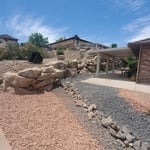
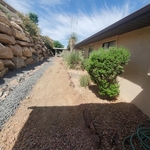
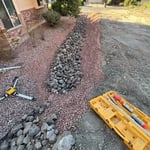
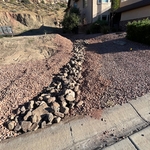
"I’m really happy with the rock wall RLP built for me. They did a great job, listened to what I wanted, and made it look just right. The wall feels solid and fits perfectly with the yard. I love how it adds a nice touch to the place. If you’re thinkin’ about getting a rock wall done, I’d definitely recommend these guys!"
Response time3 days
2 neighbors recently requested a quote

Showing 1-10 of 24
Excavating FAQs, answered by experts

A joint utility trench, or joint trench, is a long, buried ditch on a property that contains two or more utility lines rather than running the lines in multiple trenches. Some utilities, like gas and electric or electric and communication lines, are better suited to joint trenching, while others, like water and sewer, are not allowed to be in the same trench.

If you don’t have a crawl space but have a partial basement you want to make deeper, you can expect to spend a little less—between $40,000 and $90,000 on average. However, if you’re not adding new finished square footage, you won’t see much in the way of ROI.

The best method for digging a trench depends on the scope of the project. For a short, shallow trench (less than 2 feet deep) in light, soft soil, digging by hand may be sufficient. However, digging by hand is labor-intensive, so consider the effort required. A machine trencher is the better option for longer trenches (over 100 feet), deeper ones, or when dealing with difficult soil conditions, such as rocky or hard ground, or obstructions like tree roots. A machine can save significant time and energy in these situations.

Professional installers often include a deep layer of crushed gravel under permeable pavers to allow more runoff to soak through into the soil below. Many installations will include multiple layers of gravel, with coarser aggregate at the base and finer aggregate that sits on top of that bottom layer. Above the gravel, you’ll often find coarse sand that helps reduce paver shifting over time. Some permeable paver designs include a water collection system set into the gravel layer to route runoff to a safe area for disposal.

Yes, professional installations include trenching or borehole drilling required for ground loops.

The Beaver, UT homeowners’ guide to excavation services

From average costs to expert advice, get all the answers you need to get your job done.