"The problem turned out to be a burned out small electric door switch. I believe the price was way too expensive for the service performed and the price of the door switch. What more can I say? It got done."
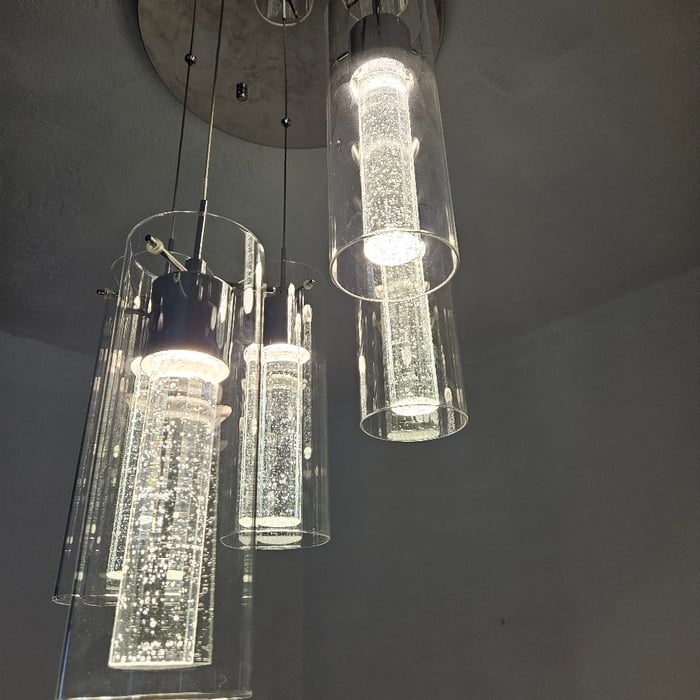
"Perfect they swapped out some old breakers for me as well as installing new dimmer switches, LED lighting for our kitchen, sconces and fixing other odds and ends when it comes to lighting."
We are a family owned and operated company focused on providing the best experience for out customer at the best prices. With over 25 years of experience we are confident in getting your job done right. Give us a call today for a free estimate!
"Ian was great to work with. We had a problem with our lights from shoddy construction (DR Horton built our home), and Ian came to help us diagnose the issue. He was very thorough."
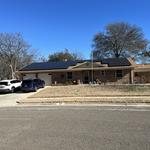
"Was referred to chad from a friend, he was very helpful on what I needed to know and also discussed my roof age and the scenarios of waiting to re roof in 2 years or doing it with the solar. I have yet to get a utility bill and my connection fee is zero due to the credits I build up. Anyone thinking got going solar to save $ reach out to chad. Excellent experience."
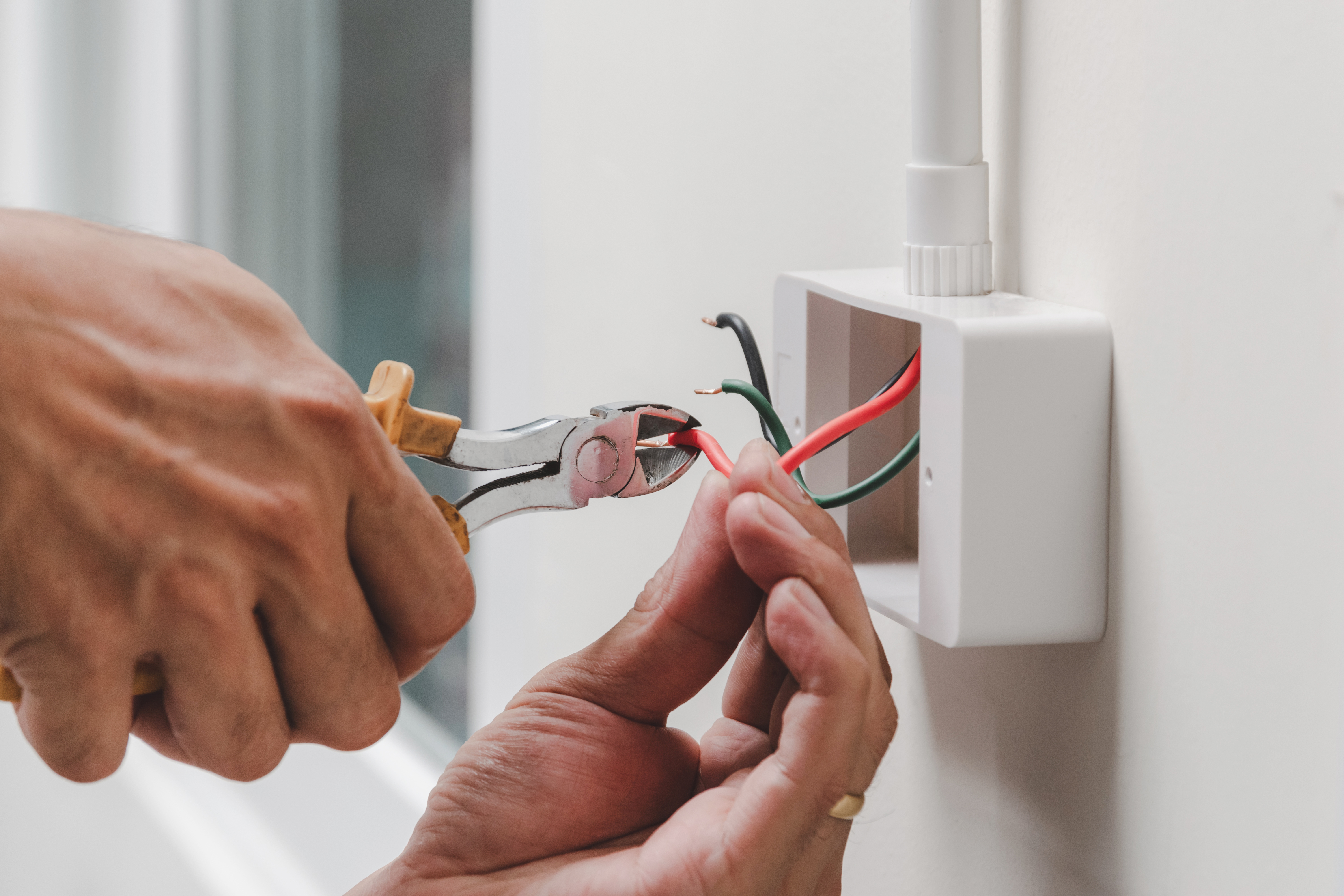
Switching the hot and neutral wires in an outlet or receptacle, a condition known as reverse polarity, is dangerous. While the outlet will still function and provide power, it creates a significant electrical shock hazard because anything plugged into it will remain electrified even when switched off. If you touch a conductive part of the appliance, such as the metal components of a toaster, you could receive an electric shock.
If all of the outlets in one room suddenly stop working, it’s likely the result of a tripped circuit breaker. This easy-to-resolve malfunction is caused by overloading the circuit with too many working appliances at the same time. Locate the tripped breaker in your electrical panel and reset it to restore power.
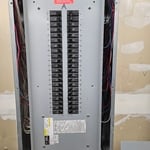
The life expectancy of a home electrical panel is typically around 25 to 40 years. However, this can vary based on usage, maintenance, and technological advancements. Regular inspections by a qualified electrician can help determine the condition and potential need for replacement as your panel ages. Factors like overloading, outdated components, or wear and tear might prompt earlier replacements for safety and efficiency reasons.
At a minimum, you need an electrician to inspect the house wiring after a fire. The electrician will need to replace damaged or melted wires. If the electrical wiring is old, about 25 years or more, you should rewire the house after a fire. Old wiring can increase the risk of another fire, so replacing the wires is the safest option.
There are three main wires on a doorbell, typically color-coded white, black, and green, that are connected to a transformer box in your home. One wire runs to the doorbell button, another wire runs to the door chime, and the third wire runs between the doorbell button and the door chime.
The Dugway, UT homeowners’ guide to electrical services
From average costs to expert advice, get all the answers you need to get your job done.
Before you hire a licensed electrical contractor, you should learn the cost to run electric from the road to your house so you can budget for the project.
Whether you’re shopping for a new home or simply doing a safety check on your current place, learn what factors influence an electrical inspection cost.
Is it time to upgrade your electrical panel? For the sake of safety, find out sooner than later by exploring our top signs that it’s time for an upgrade.