
Top-rated arborists.

Get matched with top arborists in Bingham Canyon, UT

Enter your zip and get matched with up to 5 pros

Need a pro for your arboricultural service project in Bingham Canyon, UT?

Select your specific project to find the pro for you.

TRUSTED BY BINGHAM CANYON, UT HOMEOWNERS

  • Average homeowner rating star icon4.5
    Average homeowner rating
  • Verified reviews icon1.7k+
    Verified arboricultural services reviews

Find Arborists in Bingham Canyon

Avatar for Up High Tree Care
Up High Tree Care
4.5(
93
)
Tree RemovalTree Removal - For BusinessTree Trimming+1 more

Serving Bingham Canyon, UT and surrounding areas

Approved

In business since 2000

Free estimates

Emergency services offered

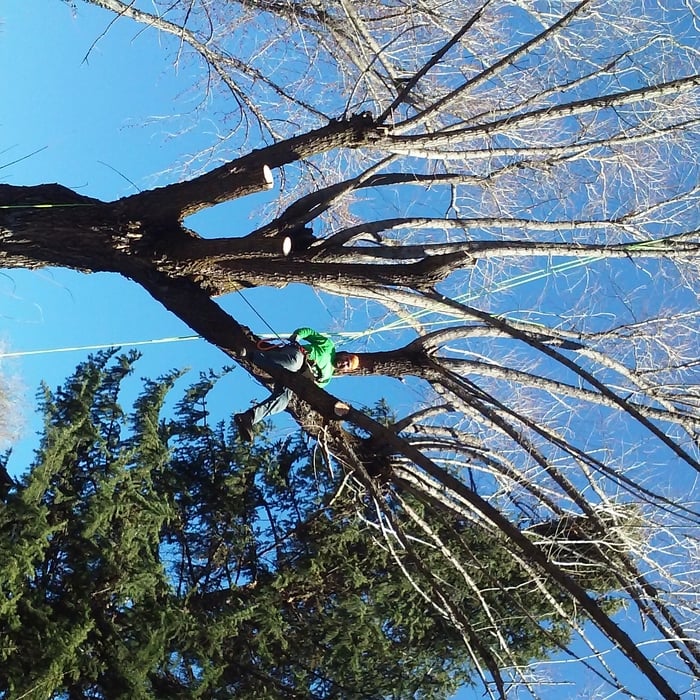
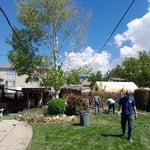
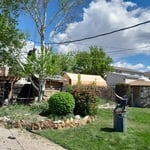
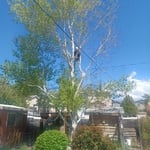
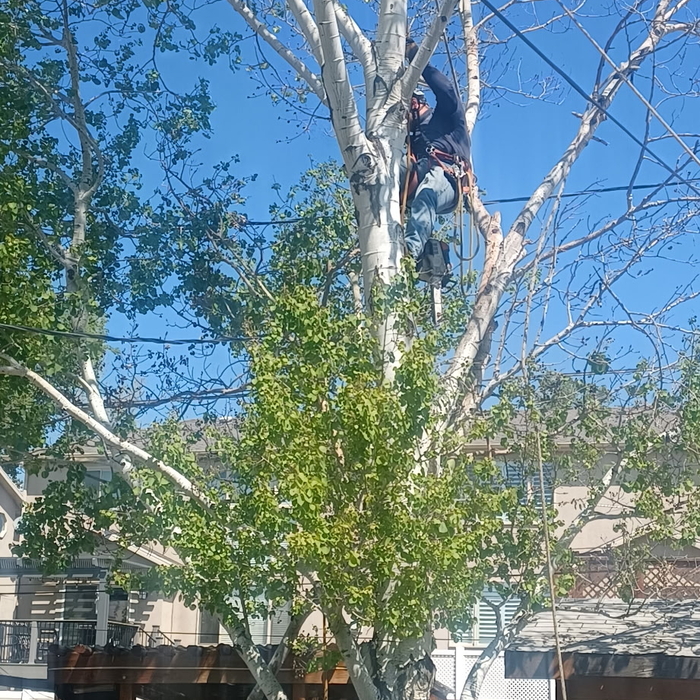
"Brian did an excellent job with our tree removal. I was impressed with their attention to detail in cleaning up after the project. Great customer service and communication. Reasonably priced."
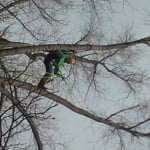
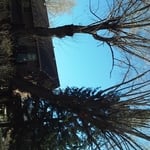
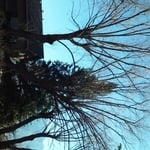
2 Big Willows
2 Big Willows
2 Big Willows
2 Big Willows
2 Big Willows

+50

Response time7 hrs
Response rate88%
Recommended by93%of homeowners
Avatar for Wasatch Landscaping & Snow Removal, LLC
Wasatch Landscaping & Snow Removal, LLC
4.3(
85
)
Tree TrimmingTree Stump - RemoveTree Trimming - For Business

Serving Bingham Canyon, UT and surrounding areas

Approved

In business since 2017

Free estimates

Credit card accepted

"They were great to work with and receptive to feedback during the process. Work was done quickly! We hired them for a large spring clean up that required removing a lot of rose bushes and left the yard looking great."
Response time6 hrs
Response rate94%
121 neighbors recently requested a quote
...
Showing 1-10 of 185
Arborists questions, answered by experts

White vinegar does not kill ivy on trees because its acetic acid concentration is not high enough to overpower it. Vinegar is an effective herbicide for weeds and other plants, but not for the strength of most ivies, including poison ivy and English ivy. You should use an herbicide to kill ivy, such as one with glyphosate, imazapyr, or triclopyr.

In most ways, palm trees are incredibly low-maintenance. They don’t need a ton of water—which is why they’re so beloved in desert regions—and they basically prune themselves. But they do need an ample supply of sunlight and to be in soil that will allow for proper drainage so that their roots don’t become waterlogged and at risk of developing illnesses.

If the plant begins to wilt, develop spots, or change color, these could all be signs that your palm tree has a disease. But a few basic treatments, like pruning and applying fungicide, will usually be more than enough to return it to perfect health.

When a palm tree no longer produces new fronds and old fronds start turning yellow-brown, that’s a sign the tree is dying. However, transplanted palm trees can show these signs for the first several months as they re-establish themselves. It’s best to keep watering and not give up on the palm tree until a couple of seasons have passed and you’re sure it’s not coming back to life.

If you’re planning on keeping the tree, unless the roots are invasive, there’s no need to remove them, as doing so can cause damage to the tree. If the tree has been cut down and the stump and roots are left, grinding and removing the stump can cause root decay for some species. For other species, the stump and roots will need to be removed to prevent pests, disease, and possible tree regrowth.

Most jobs take 2-8 hours, but extensive trimming may take multiple days.

The Bingham Canyon, UT homeowners’ guide to arboricultural services

From average costs to expert advice, get all the answers you need to get your job done.