





Top-rated aquarium service pros.

Get matched with top aquarium service pros in Van, TX

Enter your zip and get matched with up to 5 pros

Need a pro for your aquarium service project in Van, TX?

Select your specific project to find the pro for you.

TRUSTED BY VAN, TX HOMEOWNERS

  • Average homeowner rating star icon4.3
    Average homeowner rating
  • Verified reviews icon167
    Verified aquarium services reviews

Find Aquarium service pros in Van

Avatar for Landers Ranch Services
Landers Ranch Services
5.0(
7
)
Water Feature - Install a Pond

Serving Van, TX and surrounding areas

Approved

Customers say: Quick response

At Landers Ranch Services, we are a reputable excavation company located in Grimes County, TX. Serving the surrounding areas, we pride ourselves on delivering top-notch services to meet all our clients' excavation needs. With our skilled team and state-of-the-art equipment, we ensure efficient and reliable results for every project.

Bulkhead
Bulkhead
Bulkhead
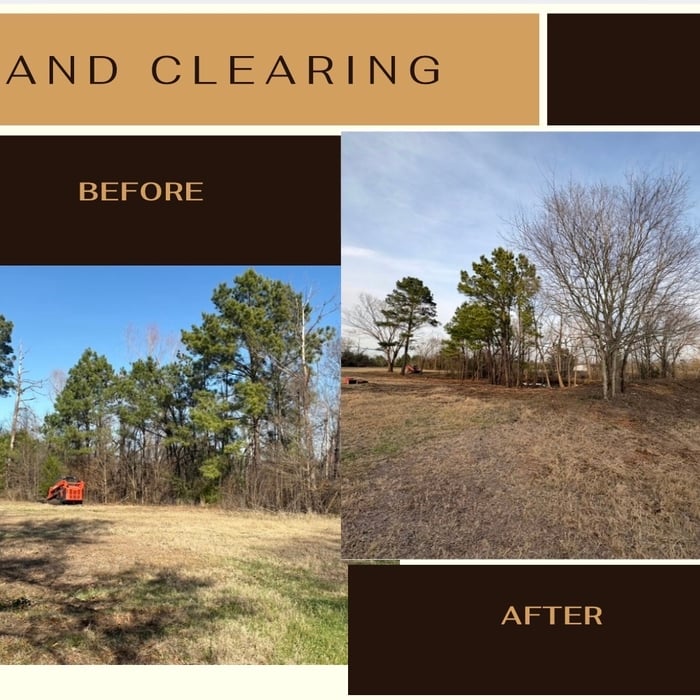
Land clearing
Land clearing

+10

Recommended by14%of homeowners
Avatar for Integrity Tree Care & Landscaping
Integrity Tree Care & Landscaping
4.3(
11
)
Water Feature - Install a Pond

Serving Van, TX and surrounding areas

In business since 1998

Free estimates

Emergency services offered

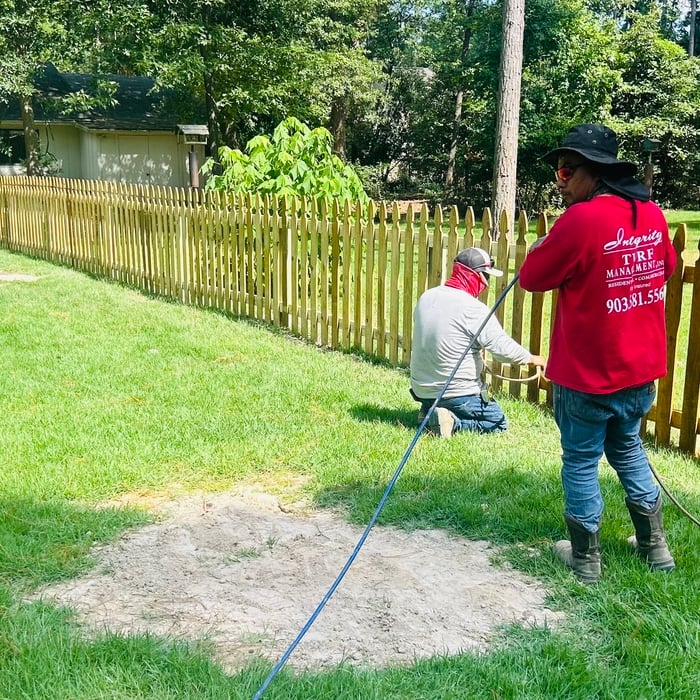
"Tim and his crew did an amazing job on my roof! They followed up with me to make sure that I was happy! Will contact Integrity in the near future for more projects on my list. Thank you guys, you are truly appreciated"
Landscaping Project
Fencing
Emergency tree removal from storm damage
Discussing back yard pool area and landscape design with homeowner
Fencing Project

+92

Recommended by80%of homeowners
Showing 1-10 of 15
Aquarium Services questions, answered by experts

A septic tank always has some amount of liquid in it—which should usually be 8 to 12 inches from the top of the tank. If the liquid level is higher than that or is overflowing the drainage pipe that leads out to the leach field, the tank may be too full and in need of pumping.

A septic system's lifespan typically ranges from 15 to 40 years, with a common average of 20 to 30 years. The longevity heavily depends on the tank's material, maintenance diligence, and usage habits. With proper care, lifespans can reach the upper end of this range.

Lifespan by Tank Material:

  • Concrete: 20 to 40 years

  • Plastic or Fiberglass: 30 to 40 years

  • Steel: 15 to 20 years

To maximize your system's lifespan, follow these maintenance best practices:

  • Regular Pumping and Inspections: Have the tank pumped every three to five years and schedule professional inspections regularly.

  • Mindful Usage: Only flush human waste and toilet paper. Avoid putting items like cat litter, paper towels, cigarette butts, fats, grease, oils, or coffee grounds down your drains.

  • Avoid Chemicals: Do not pour harsh chemicals into the system.

  • Water Conservation: Reduce the amount of wastewater your system has to process.

  • Protect the Drain Field: Avoid driving or building heavy structures over the drain field area.

The easiest thing you can do to prolong the life of your septic system is to adopt septic-safe practices. This includes not flushing non-biodegradable items, chemicals, or excessive grease down drains and scheduling regular septic tank pumping to prevent buildup. It’s also important to fix plumbing leaks promptly and to practice water conservation to avoid overloading the system. To maintain your drain field, avoid heavy vehicle traffic and plant shallow-rooted vegetation in the area. Most importantly, invest in routine inspections and maintenance to detect and address issues early.

All municipalities in the U.S. require a permit for septic tank installation or septic system alteration, and the permit will usually cost between $450 and $2,500. Some municipalities also require permits for septic system repair. You’ll either need to contact your local building department or your septic tank company to ask if this is necessary before carrying out the work. Permits are not typically required to have your septic tank pumped, so provided your septic company is licensed, you can move forward with the work as needed.

You should never pour antifreeze down the drain or outside on the ground. Because it's highly toxic, antifreeze can still impact people and animals long after it drains. Antifreeze can contaminate water and sewage systems, and any that gets into storm drains and water supplies can attract animals and harm those that ingest it.

The Van, TX homeowners’ guide to aquarium services

From average costs to expert advice, get all the answers you need to get your job done.