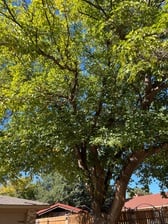
"Dr Bob Whites's service was very quick and very effective. The trees (Golden Oaks} came back this summer with exstensive leafage and groth. He save both Oaks with his excellent service."
"Marc and crew were ver efficient. They were available in less than a week to trim our trees and cut one down. They job was completed in about 3 hours with everything hauled away!! I would definitely recommend them to anyone who wants great service and a very reasonable price!! Thank you Marc!!!!! Joe and Liz Maciel"
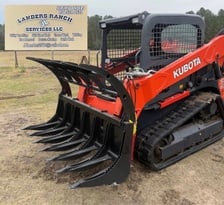
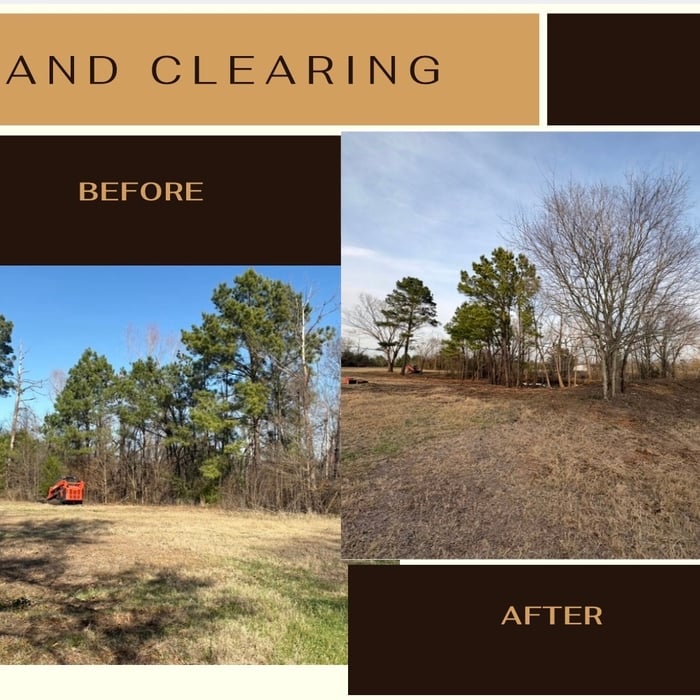
At Landers Ranch Services, we are a reputable excavation company located in Grimes County, TX. Serving the surrounding areas, we pride ourselves on delivering top-notch services to meet all our clients' excavation needs. With our skilled team and state-of-the-art equipment, we ensure efficient and reliable results for every project.
Top-Notch Tree Service can handle all of your tree's needs, from planting to removal and the life and health of your trees in between. Trees are the biggest investment you will make to your landscape, let us care for the health and beauty of your investment!
At Cabler Tree Service, we pride ourselves on quality that customers can believe in. No matter what your tree service needs are, we can take care of all your requests. When it comes to our business, customer satisfaction is our main priority and we treat every home like it is our own. We look forward to working with you!
In most cases, you should not use a pruning seal on trees after trimming. Applying a sealant can interfere with the tree's natural healing process, and it does not guarantee protection from pathogens. Instead of sealing the cut, the best practice is to support the tree's natural recovery by providing it with plenty of water and a dormant-style fertilizer. However, there are exceptions. Pruning seals may be recommended for very vulnerable species, like elm trees, in areas where dangerous diseases such as Dutch elm disease are prevalent. In these specific situations, the protection offered by a sealant can outweigh its downsides. For advice tailored to your situation, especially after cutting large branches, it is best to consult a local tree trimming professional.
The best time to prune Japanese flowering cherry trees depends on where you live and the type of flowering cherry tree. Some trees benefit from being pruned toward the end of winter or early spring, after the last freeze. Meanwhile, other trees do well after blooming, in late spring or early summer. Avoid pruning your flowering cherry tree in the early winter, as this encourages open wounds that can lead to infections or infestations.
Stay inside or well away until the storm passes. Don’t go outside to inspect the tree until the weather clears, especially if the tree is on a hill or isolated in a field. Lightning often strikes the same easily-accessed places multiple times, and you could be a new target. If a lightning strike causes a noticeable fire, alert emergency services. When the storm is over, take a closer look to gauge the damage done.
Completely topping a plum tree is a risky business. Cut too much, and you’ll kill your tree. That said, you do need to trim the top of your tree to encourage bushy growth, maintain your tree’s vase shape, and limit size.
A plum tree's central leader (or trunk) should never extend more than 3 feet above the highest branch. When you first plant your tree, cut the central leader so it’s 2 to 3 feet tall. As it grows, cut it back 12 to 20 inches until it reaches its desired height. Never prune more than one-third of the new growth.
Using Epsom salt to kill a tree stump typically takes between six and 12 months. While this may seem like a long time, it is significantly faster than the natural decomposition process, which can take up to seven years. This method is a viable DIY option for stumps that do not pose an immediate hazard. If you need a faster solution, you can hire a professional for stump removal or grinding, though this may cause more damage to the surrounding ground.
The Stratford, TX homeowners’ guide to tree services
From average costs to expert advice, get all the answers you need to get your job done.
Tree inspections can ensure your trees stay healthy and safe, preventing costly damage. Learn how much tree inspections cost and what can affect the price.
How much does an arborist cost? This guide explains the cost of different services, ongoing expenses, and other factors to consider when hiring an arborist.
Follow these tips to learn how to find a good tree removal service. Doing a little research can help you save time and money when you need to say goodbye to your trees.
You suspect that the leaning oak tree in the back needs to come down, but can you just handle it yourself? Here are the pros and cons of calling a tree service.